How Presidential Debate Moderators Are Being Selected Through Bipartisan Committees

The next time you watch a presidential debate, the person asking the tough questions will likely have been chosen through a process most Americans never see. Behind the scenes, bipartisan committees are quietly reshaping how debate moderators get selected, moving away from traditional network appointments toward a more collaborative approach that aims to restore public trust in these crucial democratic moments.
The Commission on Presidential Debates, which has overseen general election debates since 1988, recently announced changes to its moderator selection process following years of criticism from both parties. Instead of relying solely on network recommendations and internal discussions, the organization now incorporates input from bipartisan advisory panels that include former campaign managers, political scientists, and media ethics experts from across the political spectrum.
The New Selection Framework
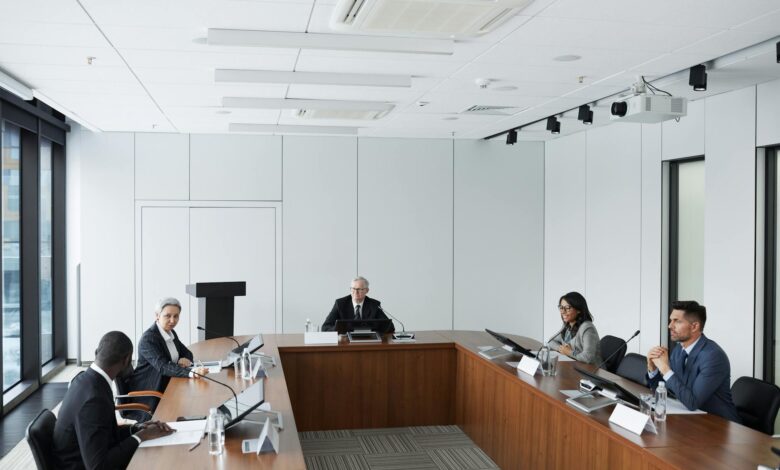
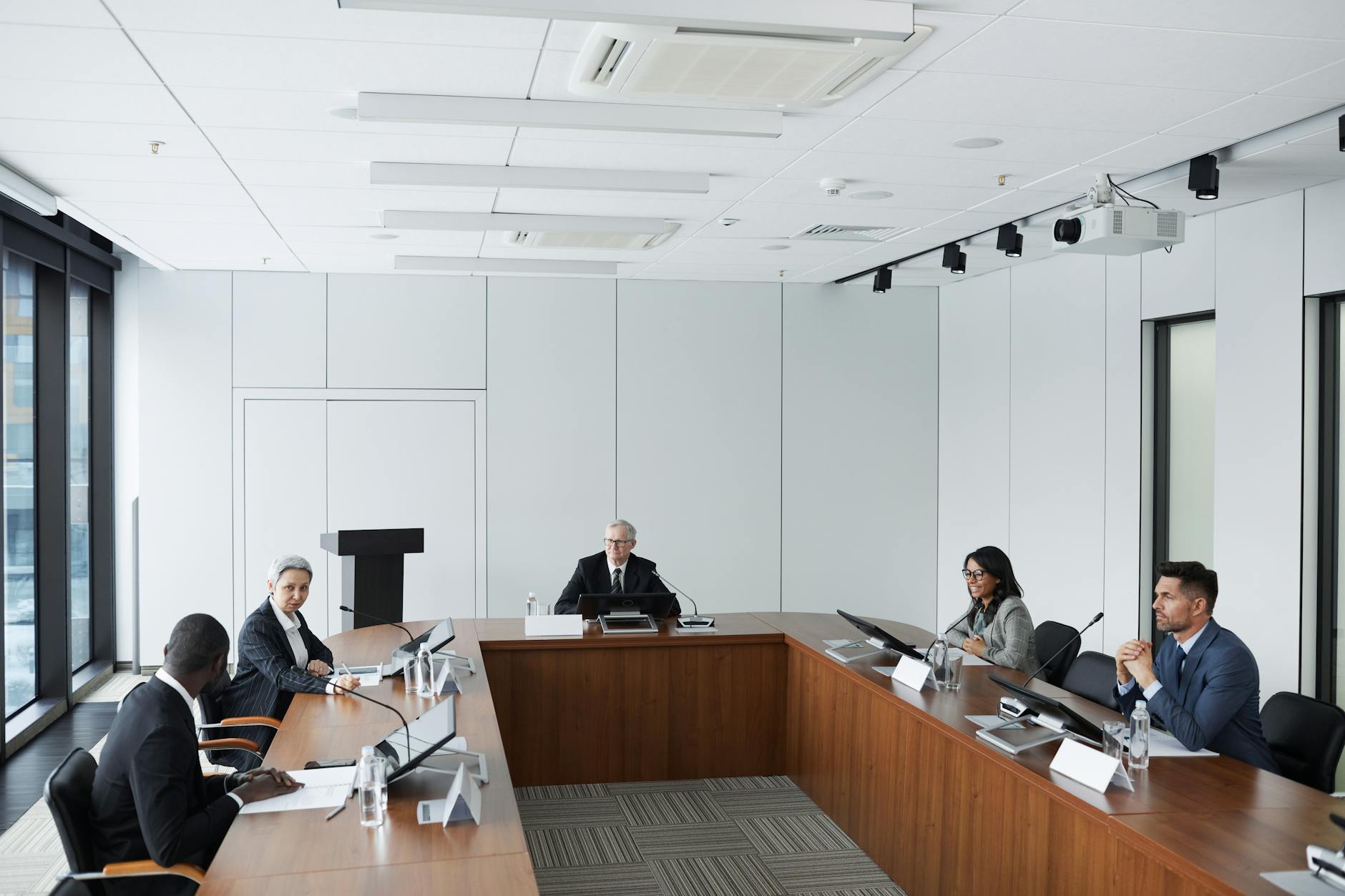
The updated process begins six months before each election cycle, when the commission forms temporary advisory committees comprising equal numbers of Republican and Democratic operatives, along with independent voices from journalism schools and nonpartisan organizations. These committees review potential moderators based on criteria that go beyond traditional metrics like name recognition and network affiliation.
“We’re looking for journalists who demonstrate fairness in their reporting, have experience with live television under pressure, and can ask questions that serve voters rather than partisan interests,” explains Frank Fahrenkopf, co-chairman of the Commission on Presidential Debates. The committees evaluate candidates’ recent work, fact-checking accuracy, and ability to handle confrontational situations without becoming part of the story.
The process includes reviewing transcripts of previous interviews, analyzing social media presence for potential bias indicators, and conducting mock debate sessions where potential moderators face panels of political operatives playing candidates. Committee members rate each candidate on specific competencies: subject matter expertise, question formulation skills, time management, and what they term “neutral authority” – the ability to maintain control without appearing to favor either side.
Notable changes include requiring moderators to submit detailed question frameworks in advance, though specific questions remain confidential. This allows the bipartisan committees to ensure topics cover issues voters consistently rank as priorities, rather than focusing solely on political horse race coverage or viral moments that generate social media engagement.
Lessons from Recent Debate Controversies
The push for bipartisan input emerged from mounting criticism of moderator performance in recent election cycles. Both parties have complained about perceived bias, unfair time allocation, and questions that seemed designed to create conflict rather than illuminate policy differences. The 2020 debates faced particular scrutiny when moderators struggled to manage interruptions and fact-check false statements in real time.
Republican operatives pointed to instances where they felt moderators failed to challenge Democratic candidates on specific policy details, while Democratic strategists complained about moderators who they believed gave Republican candidates too much leeway on factual inaccuracies. These complaints weren’t new, but social media amplified them, turning post-debate analysis into extended discussions about moderator bias rather than candidate positions.
The bipartisan committee approach attempts to address these concerns by involving both sides in the vetting process. Committee members can raise red flags about potential moderators, forcing discussions about specific concerns before selections are finalized. This process reportedly led to several prominent journalists being removed from consideration for upcoming debates, though the commission won’t identify who or specify reasons.
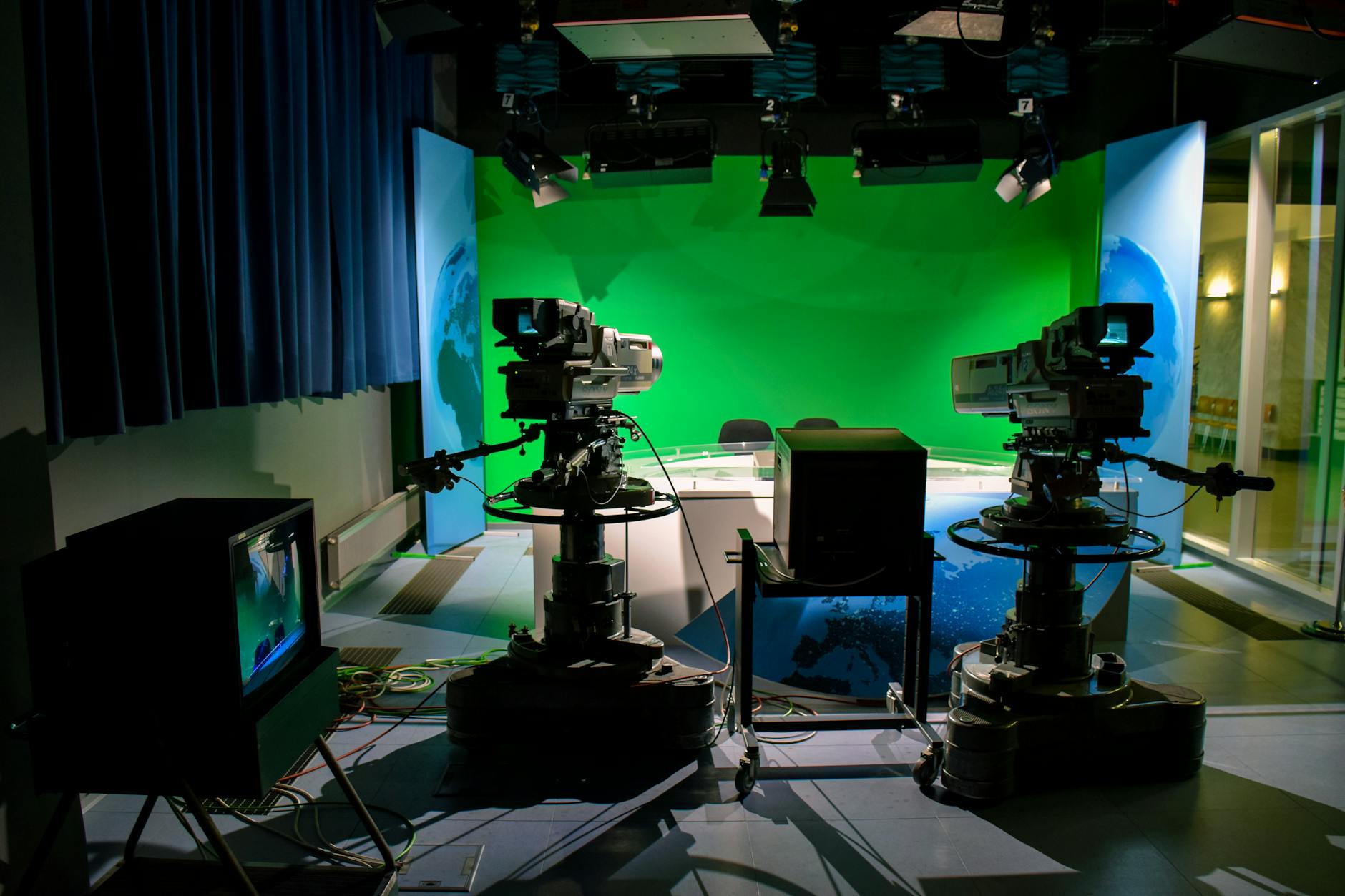
The committees also review international debate moderation practices, studying approaches used in countries like Canada and the United Kingdom, where debate formats often include multiple moderators or panels that ask questions in rotation. Some committee members advocate for adopting modified versions of these formats, though implementation remains under discussion.
Impact on Journalist Selection and Preparation
News networks are adapting their debate coverage strategies in response to the new selection criteria. Major networks now provide additional training for potential debate moderators, focusing on techniques for maintaining neutrality while ensuring substantive exchanges. CNN, NBC, Fox News, and other networks have reportedly created internal advisory groups that mirror the commission’s bipartisan approach when developing their own political coverage guidelines.
Journalists hoping to moderate presidential debates now face expanded preparation requirements. Beyond traditional research on candidate positions and policy details, potential moderators must demonstrate familiarity with fact-checking protocols, crowd psychology, and crisis management techniques for handling unexpected situations like medical emergencies or security threats.
The selection process also considers moderators’ ability to work with enhanced technology systems being integrated into debate formats. New real-time fact-checking displays, audience response monitoring, and social media integration tools require moderators who can process multiple information streams while maintaining focus on the live exchange between candidates.
Several journalism schools have created specialized programs for political debate moderation, recognizing that the role requires skills beyond traditional interview techniques. These programs cover topics like managing time constraints with multiple candidates, handling attempts at question deflection, and maintaining viewer engagement without sacrificing informational content.
This professionalization of debate moderation reflects broader changes in political journalism, where reporters covering campaigns must navigate increasingly complex media environments while maintaining credibility with audiences who have access to more information sources than ever before, as seen in other political developments like how ranked choice voting is changing campaign strategy in purple states.
Challenges and Early Results
The bipartisan committee approach faces significant logistical challenges. Coordinating schedules among political operatives from opposing parties, many of whom work on campaigns with conflicting interests, requires careful management. Committee members must sign agreements preventing them from sharing information about deliberations with their respective parties, though enforcement mechanisms remain unclear.
Early results from the process show both promise and limitations. The 2024 primary debate season featured moderators selected through modified versions of the bipartisan approach, and post-debate polling showed higher approval ratings for moderator performance compared to previous cycles. Viewers reported feeling that questions were more relevant to their concerns and that moderators maintained better control over debate flow.
However, some critics argue the process could lead to bland, risk-averse moderator selections that avoid challenging either side too aggressively. Media analysts worry that the desire for bipartisan approval might result in moderators who ask softball questions rather than press candidates on controversial positions that matter to voters.
The commission continues refining the selection process based on feedback from campaigns, networks, and voter focus groups. Recent adjustments include expanding the pool of potential committee members to include voices from local journalism, adding requirements for moderators to have experience covering state and local politics, and creating backup selection protocols for situations where bipartisan consensus cannot be reached.
Looking Toward Future Elections
As the 2024 election cycle progresses, the bipartisan moderator selection process will face its most significant test during general election debates. The commission plans to evaluate the approach’s effectiveness through post-debate analysis that includes feedback from campaigns, viewers, and media organizations, with potential modifications for future cycles.
The process represents a broader trend toward collaborative approaches in political institutions, similar to bipartisan efforts in other areas of governance. Success could influence how other political organizations handle potentially contentious decisions, from redistricting commissions to judicial nomination processes.
Whether this experiment in bipartisan cooperation can improve public trust in presidential debates remains an open question. The ultimate measure will be whether voters feel better served by the questions asked and whether the debates provide meaningful information for making electoral decisions rather than generating partisan talking points and social media controversy.
Frequently Asked Questions
Who selects presidential debate moderators?
The Commission on Presidential Debates now uses bipartisan advisory committees including political operatives and media experts from both parties.
How has moderator selection changed recently?
The process now includes input from bipartisan committees that evaluate candidates on fairness, expertise, and ability to serve voters rather than partisan interests.