
The Quiet Retreat of Walk-In Care
Walk-in urgent care clinics built their business model on a simple promise: faster and cheaper than the emergency room, more convenient than waiting for a primary care appointment. For years, that pitch worked well enough to fuel aggressive national expansion. Strip mall locations multiplied, private equity poured in, and chains competed on wait times and branding. Now that model is running into a structural problem it cannot easily solve – the employers who send the most patients are building their own front door to healthcare.
Corporate on-site and near-site health clinics, once considered a perk limited to large manufacturers and tech campuses, have spread far enough to start pulling volume away from the urgent care sector in a measurable way. The logic is straightforward: when a company operates its own clinic, it captures the visit entirely – no co-pay revenue leaving the system, no third-party billing, no competing brand. For urgent care chains, losing employer-driven patient traffic is not a marginal concern. It cuts directly at the repeat, predictable volume that makes their locations profitable.

What Employer Clinics Actually Offer Now
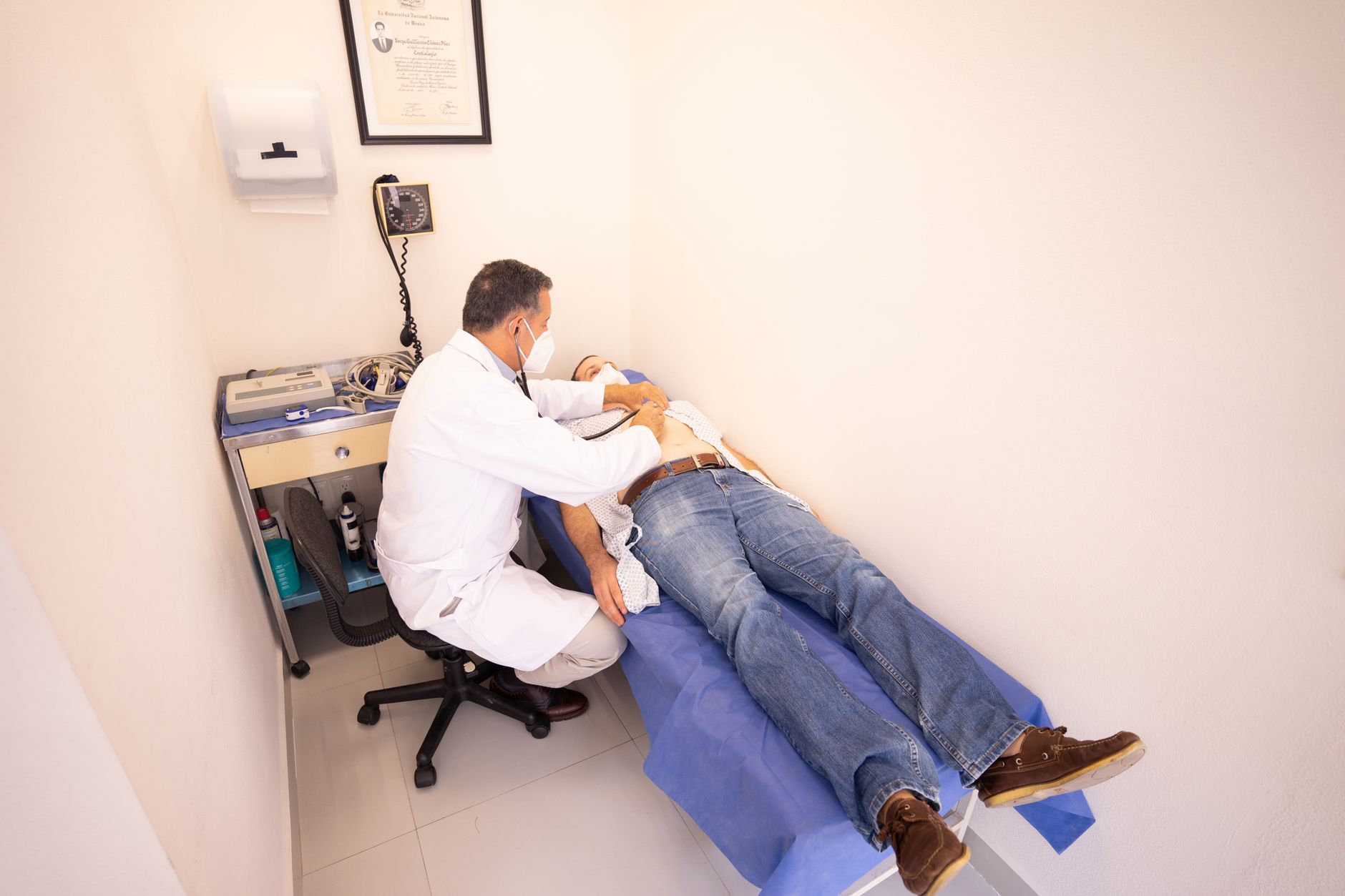
The early generation of employer health clinics was narrow in scope – basic occupational medicine, drug testing, injury management. What employers are building today looks considerably different. A growing number of mid-to-large companies now operate clinics that handle primary care, chronic disease management, behavioral health, physical therapy, and minor acute care. Some run on-site pharmacies. The service depth now overlaps almost entirely with what a retail urgent care clinic offers, minus the walk-in structure.
That breadth changes the competitive math. An employee with a respiratory infection, a sprained ankle, or a prescription refill need no longer has any financial incentive to visit an outside urgent care clinic if their employer’s facility handles the same visit at no out-of-pocket cost. Employers absorb the cost directly, but they recover it through reduced insurance claims, lower absenteeism, and fewer high-cost emergency department visits downstream. The savings calculation is internal, which means urgent care chains have no way to compete on price at the individual patient level.
Vendor management companies that run these employer clinics have grown their client bases steadily over the past several years. Firms specializing in third-party clinic operations now serve clients across retail, logistics, financial services, and technology – sectors not traditionally associated with on-site healthcare. The expansion into white-collar and service-industry workplaces is a relatively recent development, and it directly targets the suburban and urban markets where urgent care density is highest.
Behavioral health integration is worth isolating as a specific competitive advantage employer clinics hold. Urgent care chains have largely stayed out of mental health services – the staffing model does not fit, the visit times are wrong, and the reimbursement is complicated. Employer clinics face none of those constraints because they are not optimizing for fee-for-service billing. A clinic that handles anxiety, depression screening, and referral coordination alongside acute care creates a stickier patient relationship than any urgent care location can replicate.
Where Urgent Care Chains Are Feeling It
The financial strain is most visible in chains that expanded heavily into suburban office corridors and business park-adjacent locations – areas where employed, insured adults were always the core demographic. Those locations were built to serve exactly the population that employer clinics are now retaining in-house. Closures and consolidations among mid-tier urgent care operators have accelerated, and the chains that remain are increasingly dependent on Medicaid and uninsured patient traffic that employer clinics do not touch. That is a lower-margin patient mix by definition.
Private equity-backed urgent care groups are facing a particular squeeze. The acquisition-and-scale strategy that drove growth assumed stable or growing patient volume per location. When volume softens because employers redirect their workforce to proprietary clinics, the debt loads carried by those PE-backed structures become harder to service. Several regional chains have undergone ownership changes or quiet restructurings in the past two years, though the direct cause is rarely stated publicly as employer clinic competition.
The Labor Market Angle
There is a staffing dimension to this shift that compounds the problem for urgent care operators. Nurse practitioners and physician assistants who once staffed retail urgent care locations increasingly have the option to work in employer clinic settings – often with more predictable hours, less administrative burden, and comparable or better compensation. Employer clinics are not constrained by the volume-throughput model that defines urgent care staffing economics. A clinic serving a captive workforce of several thousand employees can offer a calmer, more relationship-oriented practice environment.
That staffing pull matters because urgent care has always competed on speed and availability. If a chain cannot reliably staff locations to meet its advertised wait times, the core value proposition deteriorates. Recruiting in markets where employer clinics are actively hiring creates real operational pressure, particularly in metro areas with tight healthcare labor markets.
Some urgent care operators have attempted to reposition by pursuing direct employer contracts themselves – essentially trying to become the outsourced clinic operator rather than the walk-in competitor. A handful of larger chains have had success with this approach in specific markets, but it requires a fundamentally different operating model than retail urgent care. The margins, the staffing ratios, the metrics of success – all of it changes. It is not a simple pivot, and operators who try to run both models simultaneously often find the retail side suffers from the distraction.

Where the Pressure Leads
The urgent care sector is not disappearing. It still serves a large population of self-pay patients, those without employer-sponsored coverage, and situations where employer clinics are closed or geographically impractical. Weekend and evening hours remain a genuine differentiator in markets where employer clinics operate on standard business schedules. But the growth story that justified valuations and expansion over the past decade depended on insured, employed adults as the primary volume driver – and that assumption is under serious pressure.
Telehealth adds another layer of complexity. Employer clinics have been faster to integrate virtual care into their model than most urgent care chains, partly because they already have the patient relationship and partly because the technology investment is easier to justify when you control the full cost picture. An employee who can text-message a nurse at their employer’s clinic at 10pm has little reason to drive to an urgent care location the next morning for a minor concern.
The chains best positioned to weather this are those with genuine hospital system backing – either owned by or closely affiliated with health systems that can absorb volume shifts across a larger network. Independent and PE-backed operators in suburban markets heavily populated by large employers face a narrower path. The question is not whether employer clinics will keep growing – the financial incentive for employers is too clear – but whether urgent care chains can find enough of the market those clinics deliberately leave uncovered.
Frequently Asked Questions
Why are employer health clinics growing so fast?
Employers save money by capturing healthcare visits internally, reducing insurance claims, emergency department use, and employee absenteeism – making the clinic investment financially worthwhile.
Are urgent care clinics closing because of this competition?
Some mid-tier and PE-backed chains have consolidated or closed locations in suburban markets, though operators rarely cite employer clinic competition directly as the cause.