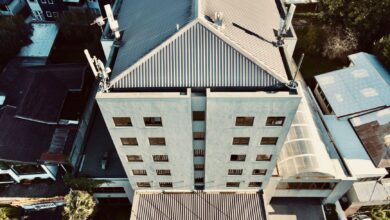
Office Vacancy Meets Data Hunger
Commercial real estate is sitting on a problem it cannot lease its way out of. Office vacancy rates in major U.S. cities have held stubbornly high since remote work reshaped corporate habits, leaving landlords with towers that generate carrying costs but little rent. In many downtown cores, entire floors have gone dark for years, and the traditional playbook – lowering rents, refreshing lobbies, offering free months – has largely failed to bring tenants back at the scale needed to make the math work.
A growing number of property owners are responding by abandoning the office model entirely for certain buildings, converting them instead into data centers. The demand driving this shift is real and well-documented: AI infrastructure, cloud computing, and streaming have created insatiable appetite for server capacity. Where a landlord once needed to attract a law firm or a consulting group, some are now chasing technology operators willing to sign long-term leases for buildings that will never again house a single desk worker.

Why Offices and Data Centers Are Not Natural Matches
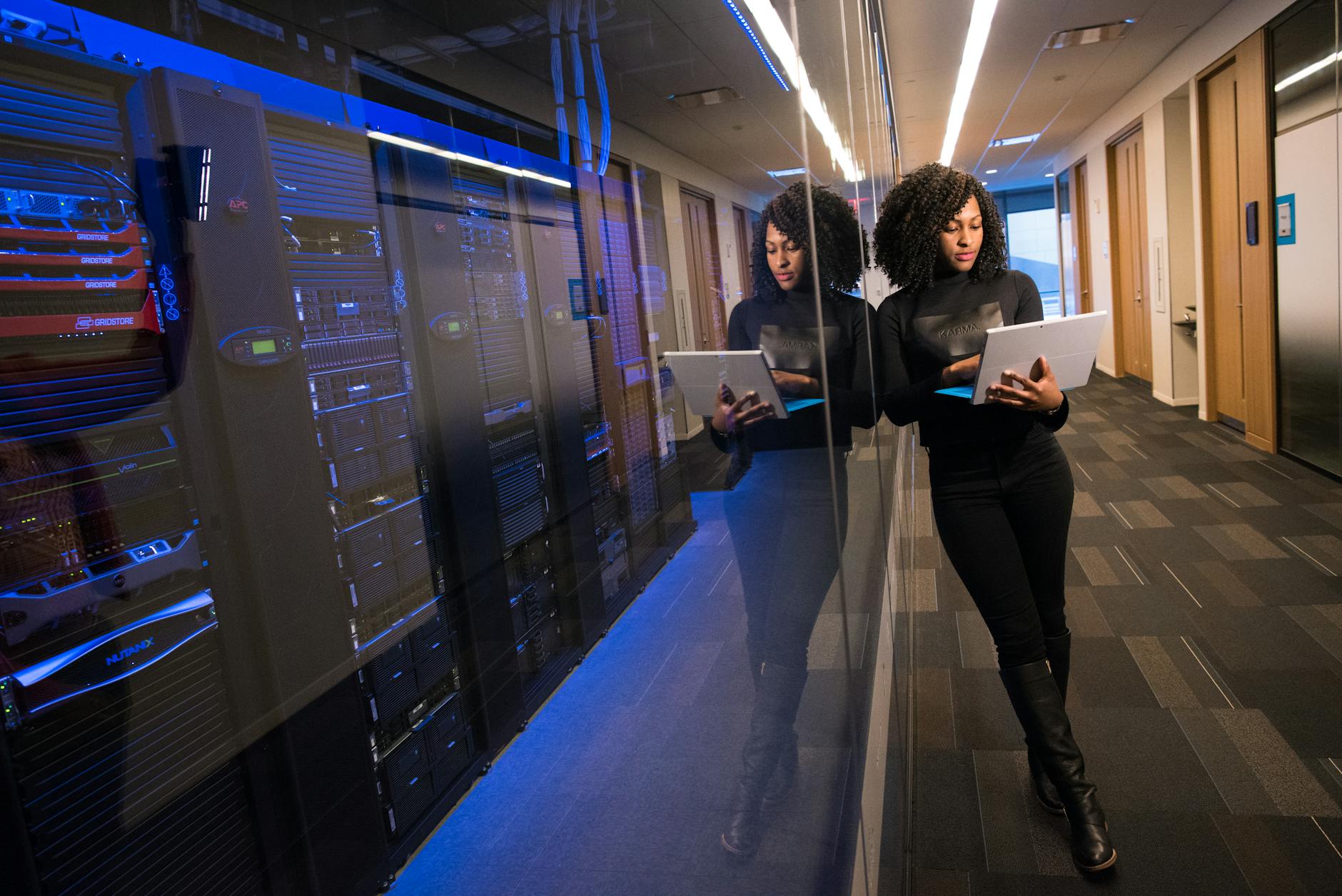
The conversion is not as simple as clearing out the cubicles. Office buildings were engineered around human occupancy – moderate electrical loads, standard HVAC for comfort, floor plates built to accommodate open-plan desks and conference rooms. Data centers require something categorically different: massive power density, industrial-grade cooling systems, redundant electrical feeds, and floor structures reinforced to support the weight of server racks far beyond anything a typical office floor was designed to bear.
This gap between what an office building is and what a data center needs is the central engineering challenge of every conversion project. Landlords who move forward face significant capital expenditure before a single server goes online. Electrical upgrades alone can run into tens of millions of dollars for a mid-size building, and securing additional utility capacity from local grids is itself a months-long negotiation. The conversion is expensive and slow, which is exactly why not every struggling office tower qualifies – proximity to power substations, fiber infrastructure, and cooling water sources narrows the candidate pool considerably.
Where the Economics Actually Work
For the buildings that do qualify, the financial case is strong. Data center tenants pay substantially more per square foot than office tenants did at peak occupancy, and they tend to sign longer leases – often a decade or more – because moving server infrastructure is costly and disruptive. A landlord who successfully converts and leases a tower to a technology operator can lock in revenue streams that dwarf what the same building generated as office space, even in favorable leasing conditions.
There is also a valuation argument. Office buildings in many markets are being written down aggressively by lenders and equity investors, which means a landlord who can credibly reposition a property as data center infrastructure may recover asset value that the office market will not restore on its own. Some acquisition-oriented investors are now specifically targeting distressed office assets in submarkets with favorable power infrastructure, betting that the conversion premium will justify the purchase price and renovation cost combined.
The Players Making the Bet
The deals happening in this space tend to involve three types of players: large institutional landlords with the capital to fund expensive conversions, specialized data center developers who partner with or acquire from struggling property owners, and technology companies themselves – hyperscalers and colocation operators – who are in some cases acquiring buildings directly rather than waiting for converted product to come to market. The structure varies deal by deal, but the common thread is that the technology sector’s need for physical space is now meeting commercial real estate’s excess supply in ways that were largely theoretical just a few years ago.
Cities are beginning to engage with this trend on a policy level as well. Some municipalities that have been trying to solve downtown vacancy problems through residential conversion incentives are now recognizing that data center conversions may be more financially viable for certain building types – particularly older, larger-footprint towers that are poorly suited to residential use. The regulatory path for data center conversion is still being defined in most cities, with zoning, environmental review, and utility coordination all creating friction that slows what might otherwise be faster-moving deals.
Power availability is the single biggest constraint shaping which markets see conversion activity and which do not. Cities with grid capacity to spare are becoming magnets for this kind of development, while markets where utilities are already strained have effectively closed the door on large-scale data center projects regardless of how much vacant office space exists. This power bottleneck is pushing some landlord-operator partnerships toward on-site generation solutions, including natural gas generators and, in a smaller number of cases, solar and battery installations intended to supplement grid supply.

The broader question the trend raises is what it means for cities that lose significant office square footage not to residential use – which at least brings residents and street-level activity – but to a building type that operates with minimal human presence and generates almost no foot traffic. A data center conversion saves a landlord’s balance sheet, but it does not save a struggling downtown. Some urban planners are watching these conversions with genuine concern, noting that a city block anchored by a humming server facility looks very different from one anchored by workers who eat lunch somewhere and shop on the way home. That tension between real estate economics and urban vitality has no clean resolution, and as the conversion pipeline grows, it is a conflict that city governments will have to confront directly.