
While federal agencies debate return-to-office policies, a quieter lobbying effort is underway. Major government contractors are pushing back against remote work mandates through industry associations and direct congressional outreach, arguing that distributed workforces complicate security clearance oversight and project coordination.

Security Clearances Drive the Opposition
The defense contracting sector leads the charge against flexible work arrangements, citing classified information handling requirements. Companies holding contracts with the Pentagon, Department of Homeland Security, and intelligence agencies argue that remote work creates unmanageable security vulnerabilities. Their position centers on the difficulty of maintaining proper oversight when employees access sensitive materials from home offices or co-working spaces.
These contractors face unique regulatory burdens that civilian agencies don’t encounter. Security clearance holders must work in approved facilities with specific physical safeguards, controlled access points, and monitored network connections. Remote work arrangements require costly home office security assessments, encrypted communication systems, and regular compliance audits that many contractors view as prohibitively expensive.
The lobbying push gained momentum after several agencies announced permanent hybrid work policies in late 2023. Industry groups began coordinating their messaging through the Professional Services Council and the National Defense Industrial Association, emphasizing operational challenges rather than productivity concerns. Their argument focuses on contract execution timelines and the complexity of managing classified projects across distributed teams.
Government accountability becomes another leverage point in these discussions. Contractors highlight the difficulty of ensuring proper time tracking, resource allocation, and deliverable oversight when teams work remotely. They argue that taxpayer money requires more stringent oversight than private sector remote work arrangements typically provide.
Economic Arguments Shape the Narrative
Beyond security concerns, contractors present economic arguments about office space investments and local economic impact. Many defense contractors operate in specific geographic clusters around military installations and government facilities, creating regional economic ecosystems dependent on concentrated workforces. Companies argue that remote work mandates would undermine these established business districts and reduce their effectiveness as government partners.
The real estate component carries significant weight in lobbying discussions. Contractors have invested heavily in secure facilities designed specifically for government work, including specialized conference rooms, classified document storage, and approved network infrastructure. Remote work policies potentially render these investments obsolete or require expensive modifications to accommodate hybrid arrangements.

Labor market competition adds another dimension to contractor concerns. The private sector’s embrace of remote work creates recruitment challenges for companies requiring security clearances and on-site presence. Contractors argue that overly restrictive remote work policies put them at a competitive disadvantage when recruiting talent, particularly in technology and engineering roles where remote options have become standard expectations.
Regional economic development offices have begun supporting contractor positions, recognizing the potential impact on local job markets. Areas like Northern Virginia, Colorado Springs, and Huntsville depend heavily on defense contractor employment. Local officials worry that widespread remote work could erode these concentrated employment centers and reduce regional economic stability.
The timing of these lobbying efforts coincides with federal budget discussions and contract renewal periods. Contractors leverage their economic importance during appropriations hearings, subtly linking workforce policies to their ability to deliver on government contracts efficiently and cost-effectively.
Congressional Response Remains Mixed
Republican lawmakers generally support contractor positions, viewing remote work skeptically as both a security risk and government efficiency concern. Several House subcommittees have held hearings where contractor representatives testified about operational challenges created by agency remote work policies. These sessions focus on oversight gaps and potential cost increases passed to taxpayers through contract modifications.
Corporate political action committees have quietly increased contributions to lawmakers serving on defense and homeland security committees, though direct correlation to remote work positions remains difficult to establish. The lobbying approach emphasizes constituent employment impacts rather than corporate preferences, making contractor arguments more politically palatable across party lines.
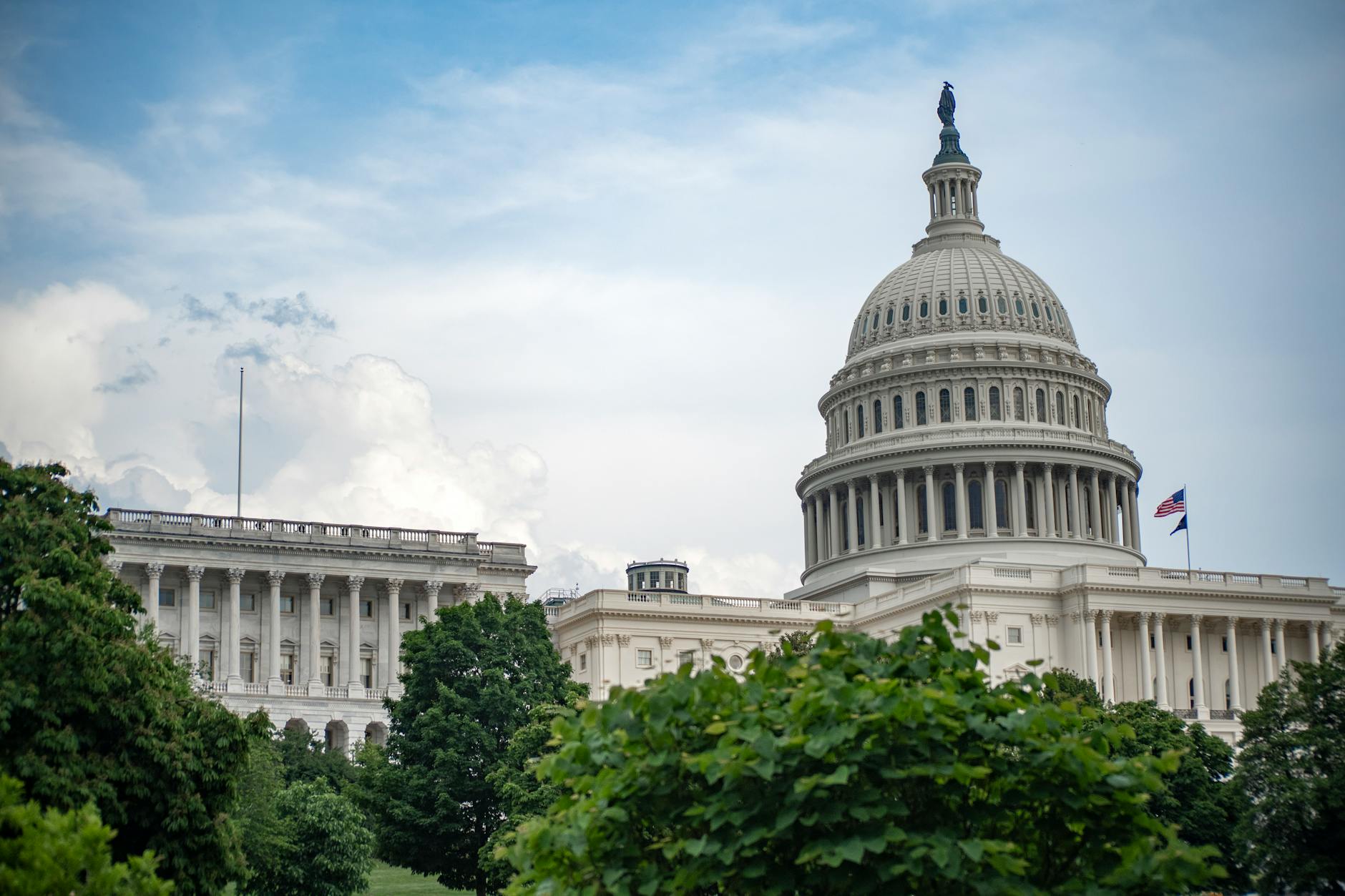
Democratic responses vary by district, with representatives from contractor-heavy regions showing more sympathy to industry concerns than those from areas with fewer defense installations. The political calculus involves balancing federal employee flexibility against regional economic interests and security considerations that contractors highlight in their outreach efforts.