
The Quiet Takeover Reshaping Outpatient Care
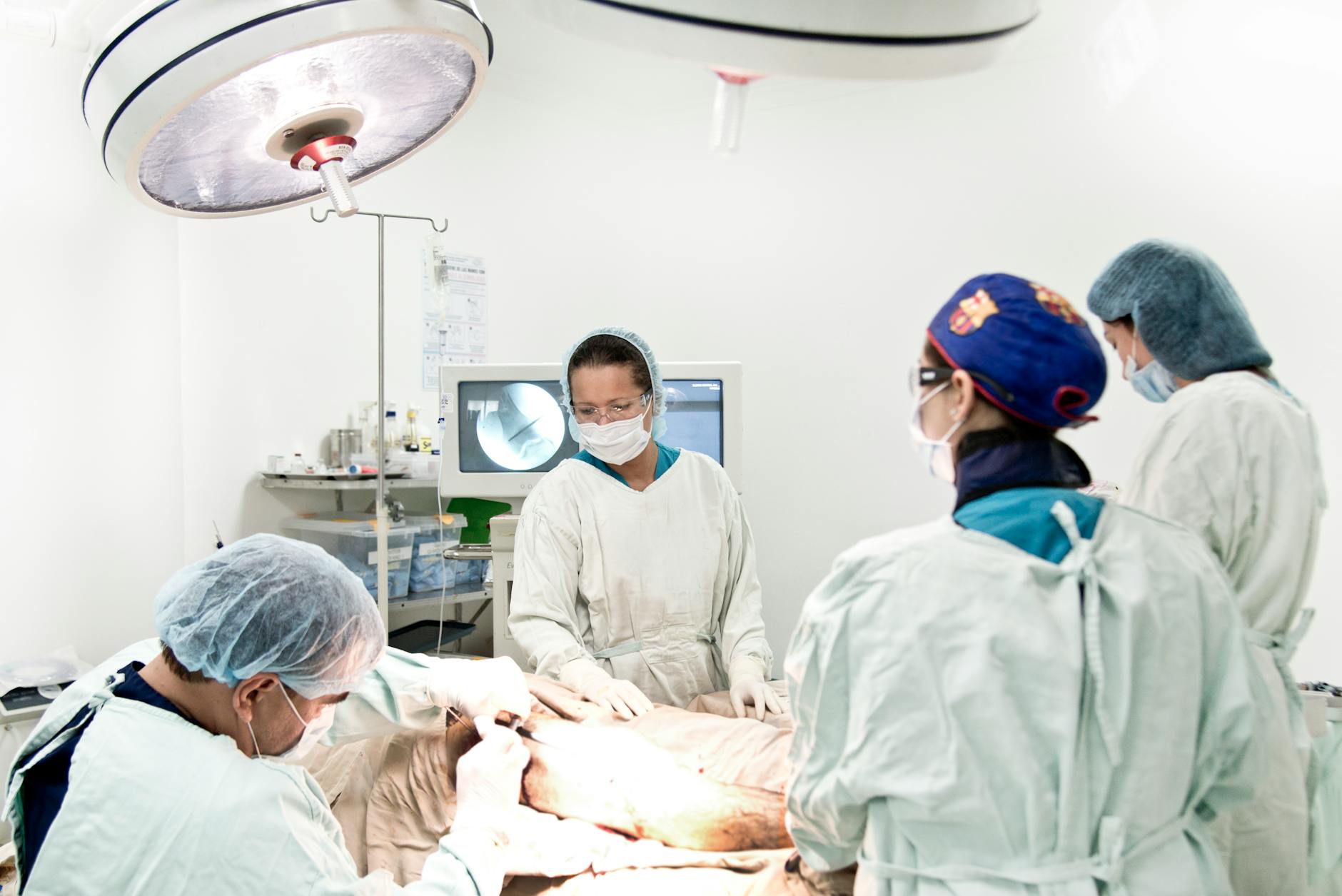
Ambulatory surgery centers – independent, physician-owned facilities where patients arrive, undergo procedures, and go home the same day – are pulling outpatient volume away from hospital systems at a rate those systems are struggling to absorb. What was once a niche corner of American healthcare, handling simple procedures like cataract removals and knee arthroscopies, has expanded into cardiology, spine surgery, and joint replacements. The shift is accelerating, and hospitals that built their revenue models around outpatient departments are watching those models erode in real time.
The mechanics are straightforward. Hospitals charge facility fees that can run two to four times higher than what an ASC bills for the identical procedure. Insurers have taken notice. A growing number of commercial payers are now steering patients toward ASCs through lower copays and reduced out-of-pocket costs, creating a financial incentive that patients feel directly. When a patient can choose between a $300 copay at a hospital outpatient department and an $80 copay at an ASC down the street, the decision is rarely complicated.

Why Hospitals Built This Vulnerability
For decades, hospital systems expanded their outpatient footprints by acquiring physician practices and converting them into hospital outpatient departments, known in the industry as HOPDs. The strategy made financial sense at the time: once a practice was designated as a hospital outpatient department, Medicare reimbursed it at hospital rates rather than physician practice rates, generating meaningfully higher revenue for the same services. Hospitals invested heavily in these acquisitions, building elaborate outpatient networks that depended on maintaining that billing premium.
Congress has spent years trying to close that gap. Site-neutral payment policies – rules that pay the same rate for a procedure regardless of whether it happens in a hospital outpatient department or an independent clinic – have been phased in gradually, and that process is ongoing. Each round of Medicare site-neutral adjustments chips away at the revenue advantage that justified those HOPD acquisitions in the first place. Hospitals find themselves holding expensive infrastructure bought to capture a billing premium that legislation is systematically reducing.
The ASC Advantage Is Structural, Not Just Financial
ASCs operate with a fundamentally different cost structure than hospital outpatient departments. They carry no emergency department overhead, no inpatient bed maintenance costs, and no requirement to staff for the full range of hospital services. That leanness is not accidental – it is the entire design. A facility built exclusively for scheduled outpatient procedures can optimize every square foot, every staffing hour, and every supply chain decision around a narrow set of high-volume, predictable cases.
Physician ownership adds another layer. When surgeons have an ownership stake in an ASC, their financial interest aligns directly with the facility’s efficiency and patient throughput. Scheduling is tighter, turnover times between cases are shorter, and supply costs are managed more aggressively because every physician-owner has a direct financial reason to care. That alignment rarely exists in hospital outpatient departments, where surgeons are typically employed or contracted but hold no ownership stake in the facility’s performance.
Technology investment patterns have also diverged. ASCs have been faster adopters of procedure-specific equipment and purpose-built surgical suites because their case mix is concentrated enough to justify it. A hospital outpatient department serving dozens of different service lines cannot configure its operating rooms with the same specificity. When a spinal surgery ASC builds every room around spine cases, equipment placement, instrument availability, and staff training converge in ways that genuinely reduce case times and complication rates.
Patient experience metrics tend to favor ASCs as well. The environment is quieter, parking is easier, wait times are shorter, and the staff-to-patient ratio in a focused facility often exceeds what a busy hospital campus can sustain. For elective procedures where patients have real choice, that experience difference matters. Online reviews, word-of-mouth referrals, and direct-to-consumer marketing are all channels where ASCs have an inherent storytelling advantage over large hospital systems.
Hospital Systems Are Responding – But Unevenly
Some hospital systems have decided that competing against ASCs from a distance is a losing strategy. The more pragmatic response has been acquisition: buying existing ASCs, launching joint ventures with physician groups to build new ones, or converting underperforming hospital outpatient departments into ASC-licensed facilities. Health systems with enough capital and administrative flexibility have moved in this direction, accepting that the HOPD model has a shrinking future in many procedure categories.
The joint venture model is particularly active. Physicians want the autonomy and financial upside of ASC ownership but benefit from the contracting leverage, capital access, and administrative support that a health system brings. Health systems want the volume retention and the lower cost structure without alienating the physicians who drive that volume. Those interests align well enough that hospital-physician ASC partnerships have multiplied across specialties from orthopedics to gastroenterology to ophthalmology.

What Gets Left Behind
The migration of profitable outpatient procedures to ASCs does not happen in a vacuum. Hospitals depend on those high-margin outpatient cases to cross-subsidize services that lose money: trauma care, behavioral health, complex chronic disease management, and care for uninsured or underinsured populations. When volume migrates to independent ASCs – many of which can select their patient populations and decline complex or uninsured cases – hospitals absorb a larger share of unreimbursed care with a smaller revenue base to fund it.
Rural and safety-net hospitals face this pressure most acutely. ASC development follows population density and commercial insurance concentration. A suburban market with high rates of private insurance and a large employed workforce is an attractive ASC target. A rural county hospital or an urban safety-net facility serving predominantly Medicaid and uninsured patients is not. The procedure volumes that could support an ASC are simply not there, which means those hospitals lose the profitable cases to distant competitors while retaining the costly ones.
Regulatory bodies at the state and federal level are watching this consolidation pattern closely, particularly as ASC ownership becomes more concentrated in private equity portfolios. A number of large ASC chains are now backed by private equity firms that have rolled up dozens of individual centers into regional and national networks. Those networks gain leverage in insurer negotiations that independent physician-owned ASCs lack, but they also introduce a profit motive that policymakers have begun scrutinizing – asking whether quality and access metrics hold up once financial returns become the primary driver of operating decisions.
Frequently Asked Questions
Why are ambulatory surgery centers growing faster than hospital outpatient departments?
ASCs operate with lower overhead, no emergency department costs, and physician ownership structures that align financial incentives with efficiency – making them cheaper for insurers and patients.
How are hospitals responding to losing outpatient volume to ASCs?
Many hospital systems are acquiring existing ASCs or forming joint ventures with physician groups to build new ones, trading the HOPD billing premium for a lower-cost operating model.