Why Major Hotel Chains Are Converting Properties into Extended Stay Facilities

Hotel brands across America are quietly transforming their standard rooms into something their guests never expected: temporary homes. From Marriott to Hilton, major chains are converting traditional hotel properties into extended-stay facilities at an unprecedented pace, responding to a fundamental shift in how Americans live and work.
The trend accelerated during the pandemic but shows no signs of slowing. Extended-stay bookings now represent the fastest-growing segment in hospitality, with some chains reporting 40% increases in long-term reservations compared to pre-2020 levels. What started as pandemic necessity has evolved into a permanent business strategy.
The Remote Work Revolution Drives Demand
Remote work transformed more than office culture – it created a new class of nomadic professionals who need temporary housing solutions. Extended-stay hotels fill the gap between expensive short-term rentals and the commitment of traditional leases.
Marriott’s Residence Inn brand recently announced plans to convert 50 properties from standard hotels to extended-stay formats over the next two years. The chain cites surging demand from remote workers, corporate relocations, and displaced residents during home renovations or insurance claims.
“We’re seeing guests book 30, 60, even 90-day stays,” explains a Marriott spokesperson. “These aren’t tourists. They’re people who need a furnished home base while maintaining flexibility.”
The numbers support this shift. Extended-stay properties command higher average daily rates than traditional hotels while maintaining better occupancy rates. A standard hotel room might average $120 per night with 65% occupancy, while extended-stay units generate $150 per night with 80% occupancy, according to industry data.
Major corporations fuel much of this demand. Tech companies relocating employees, consulting firms housing project teams, and healthcare systems accommodating traveling nurses all prefer extended-stay options over traditional corporate housing arrangements.
Infrastructure Adaptations and Guest Expectations
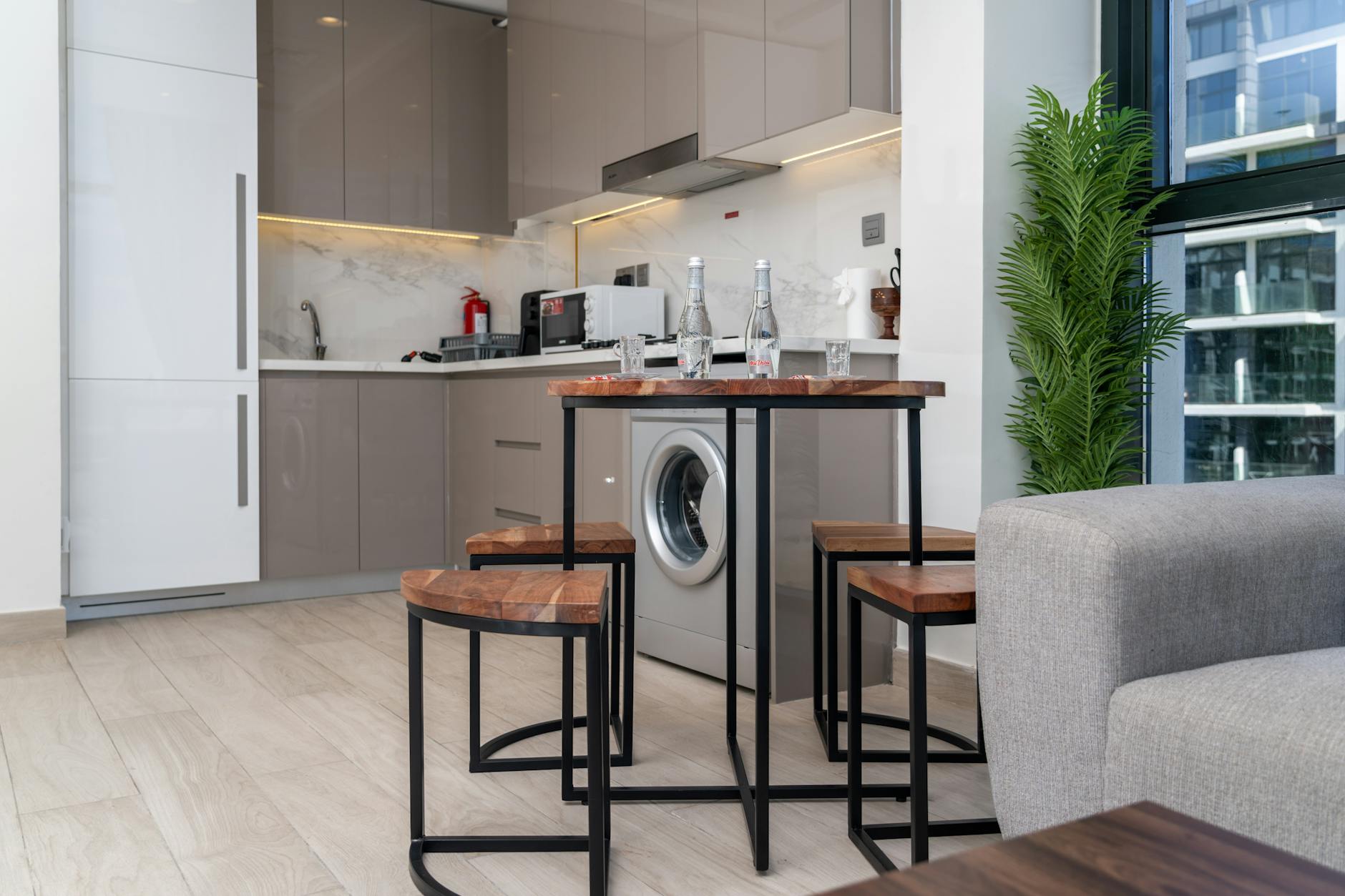
Converting hotel rooms to extended-stay units requires significant infrastructure changes. Properties must install full kitchens, larger closets, dedicated workspace areas, and enhanced internet capabilities. Many chains are discovering these modifications cost less than new construction while generating higher returns.
Hampton Inn by Hilton has retrofitted entire floors of select properties with kitchenettes and expanded living areas. The chain reports these converted rooms generate 25% higher revenue than standard accommodations in the same markets.
Guest expectations for extended-stay facilities have evolved beyond basic amenities. Today’s long-term guests demand high-speed internet, ergonomic workspaces, fitness facilities, laundry services, and grocery delivery partnerships. Some properties now offer co-working spaces, networking events, and community amenities typically associated with apartment complexes.
The success of these conversions varies by location and execution. Urban properties near business districts perform exceptionally well, while suburban locations struggle without proper transportation connections. Properties near medical facilities, corporate campuses, and major airports show consistently strong performance.
Market Forces Reshaping Hospitality
Several economic factors drive this transformation beyond remote work trends. Rising apartment rents in major cities make extended-stay hotels competitive with traditional housing. The average monthly rent for a one-bedroom apartment in cities like San Francisco, New York, and Seattle often exceeds the cost of extended-stay accommodations when factoring in utilities, furniture, and amenities.
Insurance displacement represents another growing market segment. Natural disasters, home renovations, and insurance claims create demand for temporary housing lasting weeks or months. Extended-stay hotels offer furnished solutions without the hassle of short-term rental management or the expense of corporate housing services.
The corporate travel sector has permanently shifted toward longer stays and more flexible arrangements. Companies prefer extended-stay options for project-based work, temporary assignments, and employee relocations. This trend mirrors broader changes in retail, where chains like those adopting automated systems are responding to shifting consumer preferences and operational needs.
Healthcare travel nursing has exploded in recent years, creating consistent demand for housing solutions lasting 13-26 weeks. Extended-stay properties near major medical facilities often maintain 90%+ occupancy rates from this segment alone.
Financial Performance and Investment Returns
The financial mathematics of extended-stay conversions often favor hotel owners over new construction or traditional hotel operations. Conversion costs typically range from $15,000 to $35,000 per room, significantly less than building new extended-stay properties from scratch.
Revenue per available room (RevPAR) improvements justify these investments. Extended-stay properties often achieve RevPAR levels 20-30% higher than comparable traditional hotels in the same markets. Lower guest turnover reduces housekeeping costs, front desk operations, and amenity usage while maintaining higher occupancy rates.
Major hotel investment groups have taken notice. Blackstone, Brookfield, and other real estate investment firms are actively acquiring hotel properties for extended-stay conversions. These institutional investors recognize the demographic trends driving long-term demand: aging populations requiring temporary housing during transitions, younger professionals prioritizing flexibility over homeownership, and corporate America’s permanent shift toward distributed workforce models.
Future Outlook and Industry Transformation
Extended-stay conversions represent more than a temporary trend – they signal a fundamental shift in American housing and travel patterns. As remote work becomes permanently embedded in corporate culture and housing costs continue rising in major metropolitan areas, demand for flexible, furnished accommodations will likely intensify.
Hotel chains are already planning second-generation extended-stay concepts that blur the lines between hospitality and residential living. These properties will feature community spaces, long-term storage solutions, pet-friendly policies, and partnerships with local services ranging from healthcare to grocery delivery.
The success of these conversions may ultimately reshape entire neighborhoods. Extended-stay properties can provide housing stability in areas with limited apartment inventory while supporting local businesses through increased foot traffic and spending.
Industry experts predict extended-stay bookings will continue growing by 8-12% annually over the next five years, significantly outpacing traditional hotel growth rates. This projection assumes continued remote work adoption, rising housing costs, and corporate America’s embrace of flexible workforce arrangements.
For hotel owners and investors, extended-stay conversions offer a path toward higher returns and more predictable cash flows in an increasingly uncertain hospitality landscape. The question is no longer whether this trend will continue, but how quickly traditional hotels can adapt to meet evolving guest expectations for longer, more comfortable stays.
Frequently Asked Questions
Why are hotels converting to extended-stay facilities?
Remote work trends, rising apartment rents, and corporate demand for flexible housing create higher revenue opportunities than traditional hotel operations.
How much does it cost to convert a hotel to extended-stay?
Conversion costs typically range from $15,000 to $35,000 per room, significantly less than new construction while generating 20-30% higher revenue.