Why Major Coffee Chains Are Replacing Baristas with Automated Brewing Systems

The Silent Revolution Behind Your Morning Latte
Walk into a Starbucks in Tokyo, and you might notice something different about your barista. They’re metal, programmed, and never call in sick. While American coffee shops still rely heavily on human workers, automated brewing systems are quietly transforming the industry worldwide, promising consistency, speed, and significant cost savings that have major chains reconsidering their staffing models.
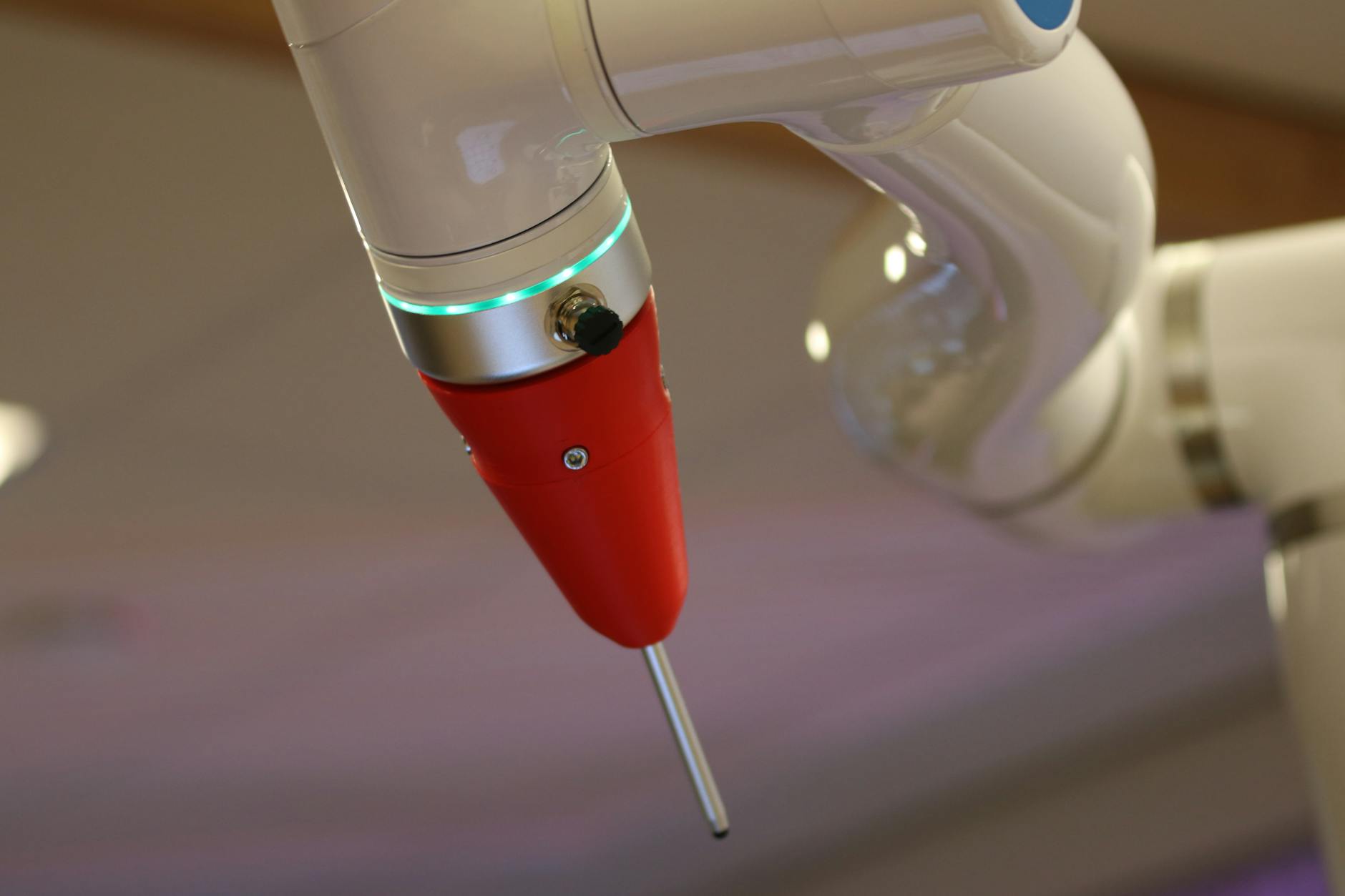
The shift isn’t happening overnight, but it’s accelerating. Companies like Briggo, which developed automated coffee kiosks, and newer players like Cafe X with their robotic arms, have proven that machines can craft specialty drinks with precision that rivals human baristas. These systems don’t just brew basic coffee-they’re programmed to create complex espresso-based beverages, adjusting grind size, water temperature, and milk frothing to exact specifications.
What started as a novelty in tech-forward markets is becoming a serious business strategy. The question isn’t whether automation will reach mainstream coffee chains, but how quickly it will spread and what it means for the thousands of baristas who currently craft our daily caffeine fix.
Labor Costs Drive Automation Adoption
Rising labor costs have become the primary catalyst pushing coffee chains toward automation. With minimum wage increases across multiple states and ongoing labor shortages in the service industry, automated systems offer an attractive alternative to traditional staffing models.
A typical coffee shop employee costs around $15-20 per hour when including wages, benefits, and training. An automated brewing system, while requiring significant upfront investment, operates for roughly $3-5 per hour in maintenance and energy costs. The math becomes even more compelling when factoring in 24/7 operation capabilities and elimination of human error that leads to drink remakes.
Dunkin’ has quietly tested automated systems in select locations, particularly focusing on drive-thru operations where speed and consistency matter most. The company hasn’t made broad announcements about replacing human workers, but industry insiders report positive results from pilot programs. Similarly, smaller chains and independent operators are increasingly exploring automated solutions as labor costs continue rising.
The technology has evolved beyond simple drip coffee makers. Modern automated systems can handle espresso extraction, steam milk to precise temperatures, and even create latte art through programmed movements. Some systems learn from customer preferences, adjusting recipes based on feedback patterns and order history.
Consumer Acceptance and Quality Concerns
Despite technological advances, consumer acceptance remains mixed. Coffee culture values the human connection-the friendly barista who remembers your order, engages in small talk, and provides a personal touch that machines cannot replicate. This social aspect of coffee shops represents a significant hurdle for full automation adoption.
However, younger consumers show greater openness to automated service, particularly when it delivers speed and consistency. Gen Z customers, accustomed to self-service technology and digital interactions, often prioritize efficiency over personal interaction. They’re comfortable ordering through apps and picking up drinks without human contact, making them ideal customers for automated systems.
Quality concerns persist, though they’re diminishing as technology improves. Early automated systems produced adequate but unremarkable coffee. Current generation machines can replicate complex brewing techniques, maintain precise temperature control, and ensure consistent flavor profiles that many human baristas struggle to match, especially during busy periods or with high staff turnover.
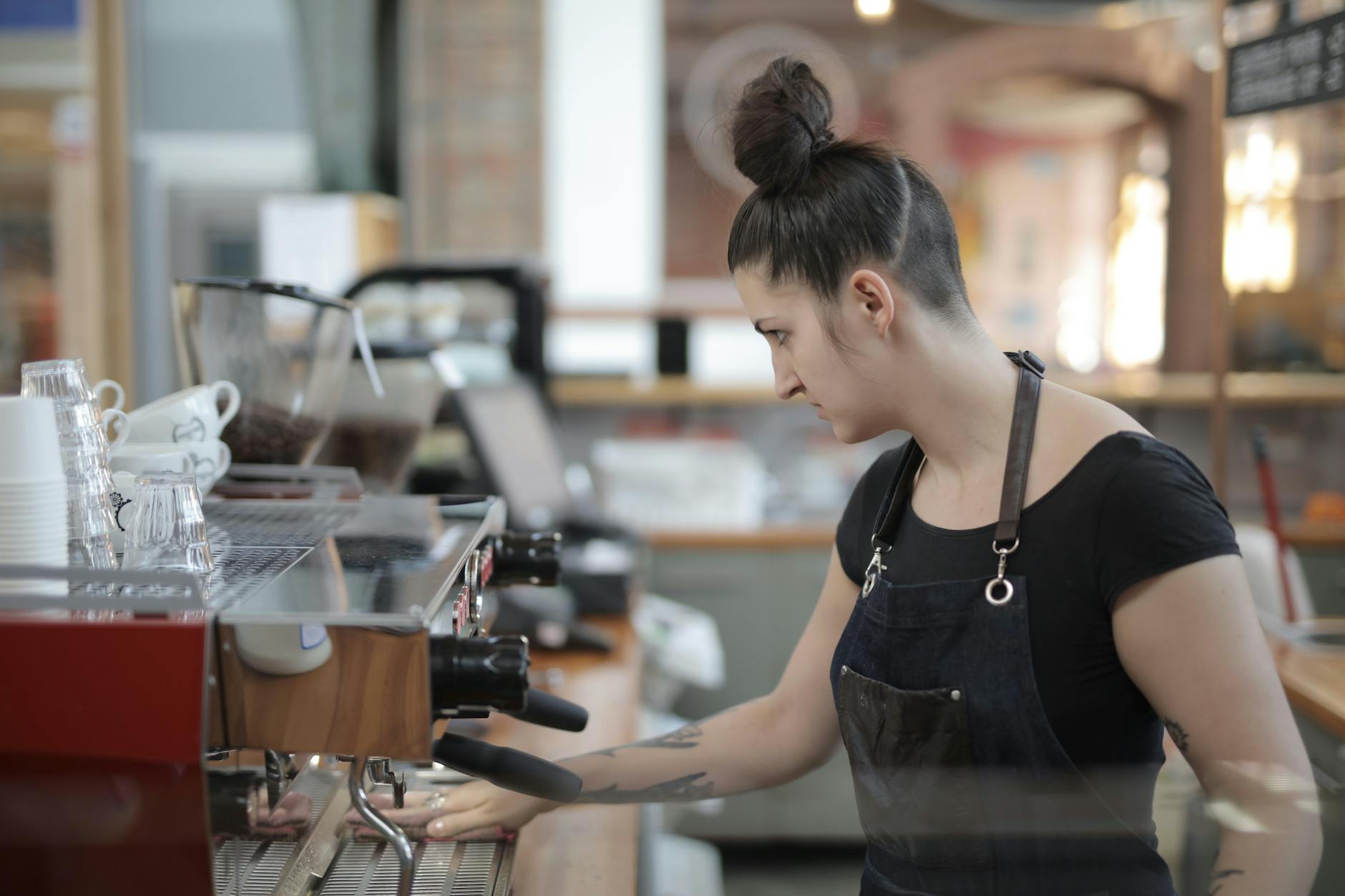
Some coffee chains are finding middle-ground solutions. Instead of complete automation, they’re implementing semi-automated systems where machines handle technical brewing while humans focus on customer service, order customization, and the social aspects that customers value. This hybrid approach maintains efficiency gains while preserving the human element that defines coffee culture.
Economic Impact on the Service Industry
The implications extend beyond coffee shops. Automation in food service represents a broader shift affecting millions of service workers. The coffee industry employs over 200,000 baristas in the United States alone, making it a significant test case for automation’s impact on employment.
Proponents argue that automation will create new job categories-machine maintenance, programming, and customer experience roles that require different skills but potentially offer better wages. Critics worry about eliminating entry-level positions that provide crucial work experience for young people entering the job market.
The transition timeline varies by market. High-rent urban areas with severe labor shortages may adopt automation faster than suburban locations where labor costs remain manageable. Franchisees, who bear direct labor costs, often push harder for automated solutions than corporate-owned locations focused on brand experience.
Investment in automation also reflects broader business trends. Just as grocery store loyalty programs are collecting more data than social media platforms, coffee chains see automated systems as data collection opportunities. Every order provides insights into customer preferences, peak times, and operational efficiency metrics that human-operated systems cannot match.
Looking Forward: A Transformed Coffee Landscape
The coffee industry stands at an inflection point. While full automation may never completely replace human baristas, hybrid models combining technological efficiency with human creativity and customer service seem inevitable. The chains that successfully balance automation benefits with customer experience will likely dominate the next decade.
Regulatory considerations may also shape adoption timelines. Some cities and states are exploring policies that require businesses to maintain minimum human staffing levels or provide advance notice of automation implementation. These regulations could slow adoption in certain markets while accelerating it in others.
The ultimate success of coffee shop automation won’t depend solely on technical capabilities or cost savings. It will hinge on whether chains can maintain the social atmosphere and community feeling that makes coffee shops gathering places rather than mere beverage dispensaries. The companies that crack this code will reshape not just how we get our coffee, but how we think about service, employment, and the role of human connection in an increasingly automated world.
Frequently Asked Questions
Which coffee chains are using automated brewing systems?
Dunkin’ and smaller chains are testing automated systems, while companies like Cafe X operate fully robotic coffee shops in select markets.
Will automated coffee systems replace all baristas?
Full replacement is unlikely, but hybrid models combining automation with human customer service are becoming more common.