Massive battery waste streams from electric vehicles are triggering an industrial transformation across North America, with recycling facilities creating thousands of manufacturing jobs in regions previously hollowed out by automotive plant closures. Companies like Redwood Materials, Li-Cycle, and American Battery Technology are building multi-billion dollar operations that extract valuable metals from used EV batteries, then manufacture them into new battery components.
The timing couldn’t be better for American workers. As EV adoption accelerates and early Tesla Model S batteries from 2012 begin reaching end-of-life, recycling companies are scrambling to hire technicians, engineers, and production workers. These facilities require skilled labor for complex chemical processes, quality control, and automated manufacturing systems.
Processing Plants Create Blue-Collar Opportunities
Nevada-based Redwood Materials, founded by Tesla co-founder JB Straubel, employs over 1,000 workers at its Carson City facility. The company processes batteries from consumer electronics and automotive sources, extracting lithium, cobalt, nickel, and copper. Workers operate sophisticated machinery that breaks down battery cells, separates materials through hydrometallurgical processes, and refines raw materials into battery-grade chemicals.
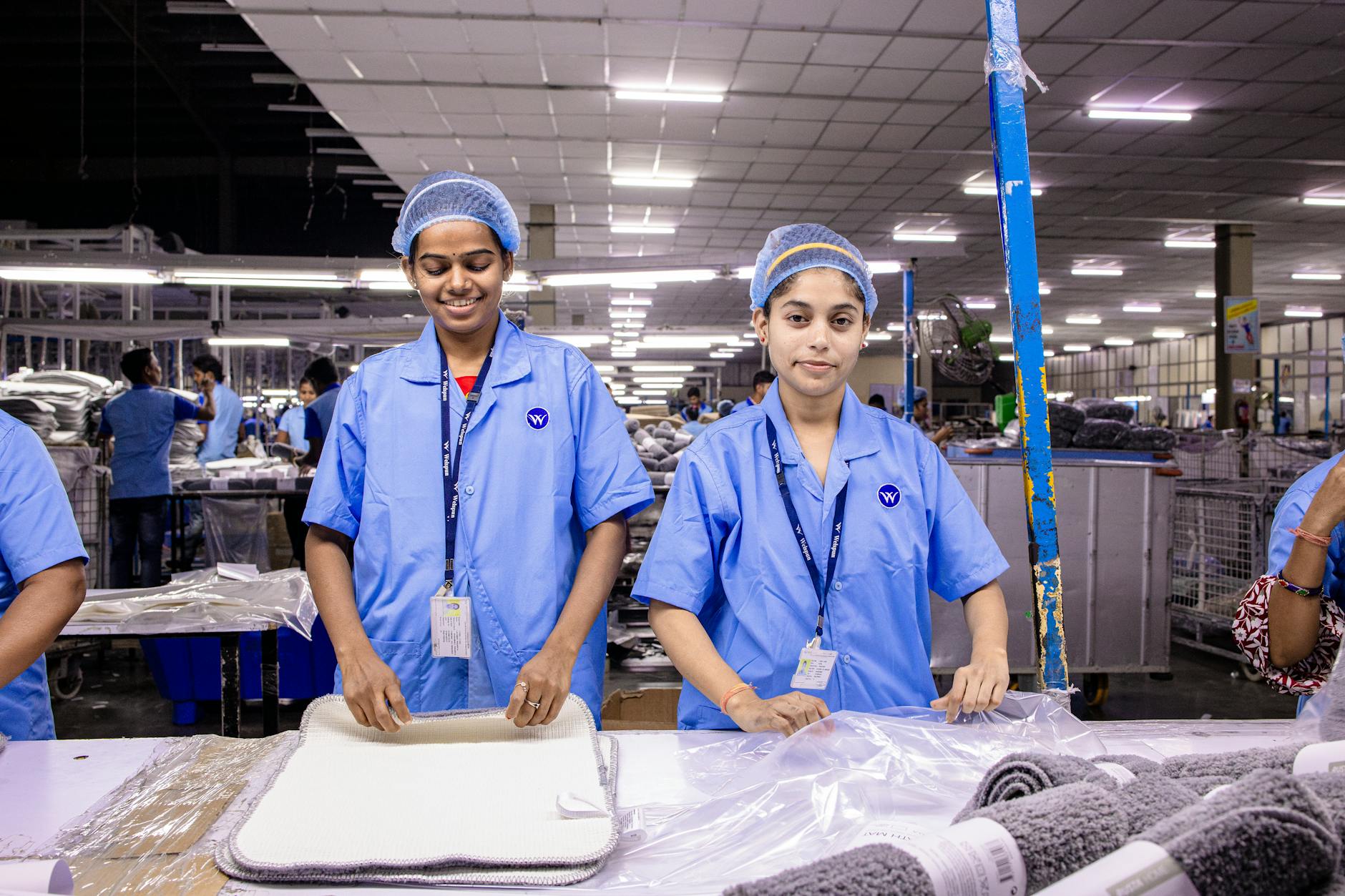
The job categories span multiple skill levels. Entry-level positions include material handlers who sort incoming battery waste and monitor automated sorting systems. Mid-level technicians operate chemical processing equipment, conduct quality testing, and maintain complex filtration systems. Senior roles include process engineers, chemical engineers, and plant supervisors who optimize production efficiency and ensure safety compliance.
Li-Cycle operates similar facilities in Arizona, New York, and Ontario, with plans for additional plants across the Midwest. Their “spoke and hub” model creates jobs at two levels: spoke facilities that shred and process batteries into black mass, and hub facilities that refine this material into pure metals. Each hub facility reportedly creates 200-300 direct jobs plus additional contractor positions.
American Battery Technology Company is building a lithium recycling plant in Nevada that will employ 500 workers when fully operational. The facility will process lithium-ion batteries and lithium brine to produce battery-grade lithium carbonate and lithium hydroxide for new battery manufacturing.
Supply Chain Integration Drives Employment Growth
Battery recycling isn’t just about processing waste – it’s becoming integral to new battery manufacturing. Ford partnered with Redwood Materials to create a closed-loop system where Ford’s electric vehicle batteries will eventually be recycled back into new Ford batteries. This vertical integration creates stable, long-term employment as companies invest in domestic supply chains.
General Motors announced similar partnerships, working with LG Energy Solution and recycling companies to establish battery material supply chains in North America. These partnerships create jobs across multiple stages: collection and transportation of used batteries, processing and refining operations, and manufacturing of new battery components.
The geographic distribution of these jobs matters significantly. Many recycling facilities are being built in former automotive manufacturing regions like Ohio, Michigan, and Tennessee. Workers with experience in automotive assembly lines, chemical processing, and industrial manufacturing find their skills directly applicable to battery recycling operations.
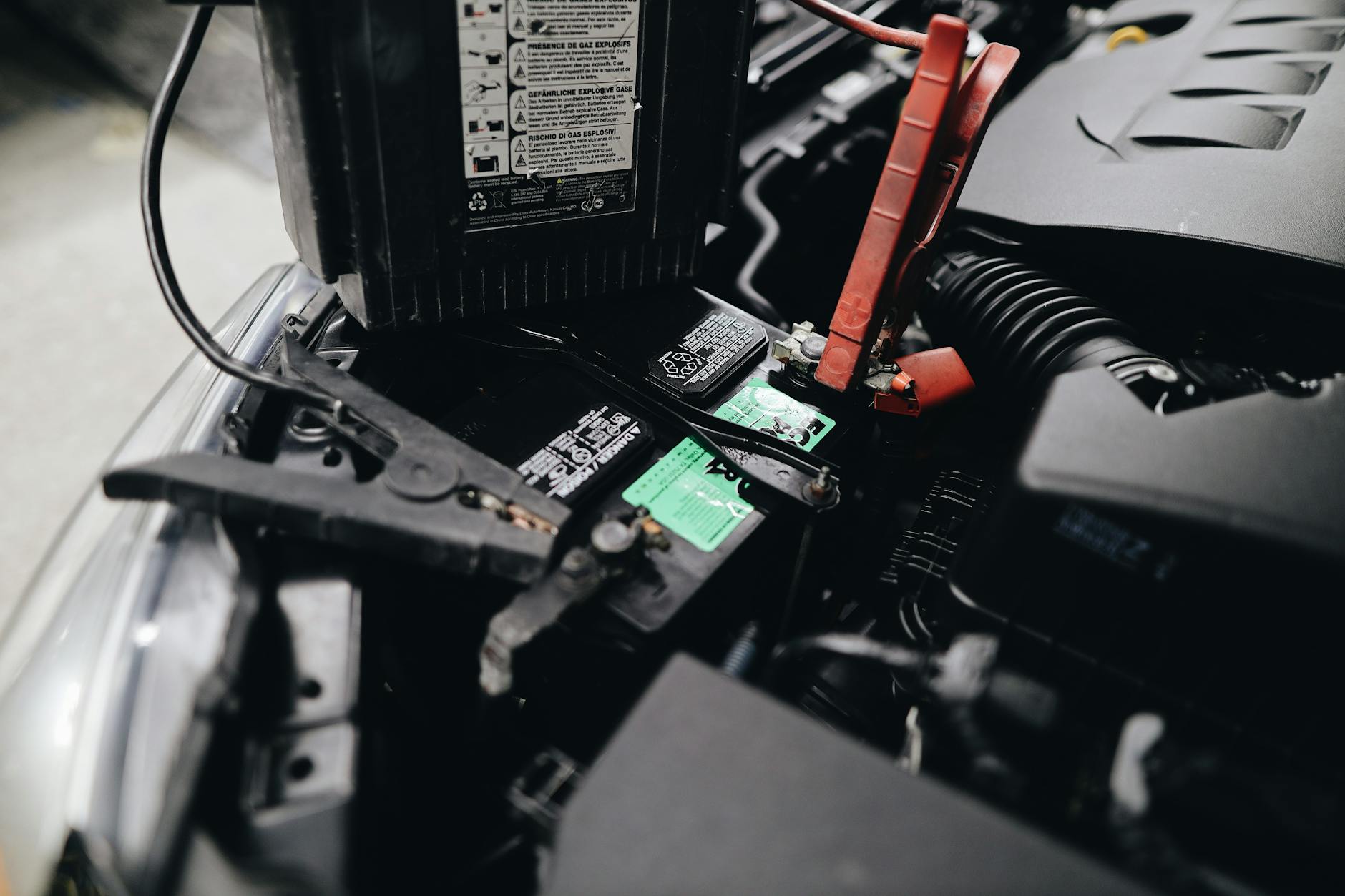
Toyota recently announced plans to work with recycling partners on battery material recovery, recognizing that hybrid and electric vehicle batteries contain valuable materials that become more expensive to mine as global demand increases. This industrial shift mirrors how luxury car brands are partnering with ride share companies to adapt to changing transportation patterns.
Technical Skills and Training Requirements
Battery recycling jobs require specific technical knowledge, but many positions build on existing manufacturing skills. Workers need understanding of hazardous material handling, chemical safety protocols, and industrial automation systems. Community colleges in battery recycling regions are developing certificate programs covering electrochemistry basics, materials handling, and process control systems.
Redwood Materials partners with local educational institutions to create training pipelines. Their programs cover battery chemistry fundamentals, safety procedures for handling lithium-ion materials, and operation of specialized recycling equipment. Workers learn to identify different battery chemistries, understand thermal runaway risks, and operate in controlled atmosphere environments.
The safety requirements are substantial. Battery recycling involves potentially toxic materials, fire hazards from damaged batteries, and complex chemical processes. Workers must complete extensive safety training covering personal protective equipment, emergency response procedures, and chemical exposure prevention. These safety protocols create additional specialized roles for safety coordinators, training specialists, and environmental compliance officers.
Quality control positions require analytical skills for testing material purity and chemical composition. Workers use spectrometers, chromatographs, and other analytical instruments to verify that recycled materials meet specifications for new battery manufacturing. These technical roles often require chemistry backgrounds or specialized training in materials analysis.
Economic Impact and Future Projections
Industry analysts project that North American battery recycling will create over 20,000 direct jobs by 2030, with additional indirect employment in transportation, construction, and support services. The economic impact extends beyond job creation – recycling reduces dependence on mining imports and creates domestic sources of critical battery materials.
Investment capital is flowing rapidly into the sector. Redwood Materials raised over $700 million in funding, while Li-Cycle completed a public offering to finance facility expansion. This capital influx indicates sustained growth and job creation potential as recycling infrastructure scales up to match increasing EV battery waste volumes.
The regulatory environment supports job growth. Federal tax incentives for domestic battery manufacturing and recycling operations encourage companies to build facilities in the United States rather than shipping materials overseas for processing. State governments offer additional incentives for recycling facility construction, recognizing the economic development potential.
Battery recycling represents a fundamental shift toward circular manufacturing, where waste becomes input for new production. As electric vehicle adoption accelerates and battery technology evolves, recycling operations will need increasingly sophisticated processes and skilled workers. These manufacturing jobs offer stability in regions adapting to post-industrial economic changes, creating career paths that combine traditional manufacturing skills with cutting-edge materials science.
The transformation of battery waste into manufacturing employment demonstrates how environmental challenges can drive economic opportunity, establishing recycling as a cornerstone of America’s electric vehicle future.
Frequently Asked Questions
What types of jobs does battery recycling create?
Battery recycling creates positions for technicians, engineers, material handlers, quality control specialists, and production workers across multiple skill levels.
Where are battery recycling facilities being built?
Major facilities are being constructed in Nevada, Arizona, New York, Ohio, Michigan, and Tennessee, often in former automotive manufacturing regions.