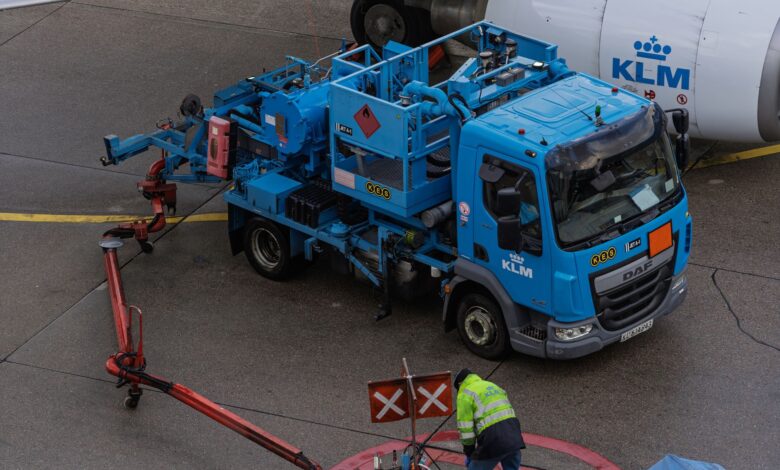
What does an airline do about a cost it can neither control nor pass along quickly? Jet fuel sits at the center of every carrier’s budget, and its price moves on events that have nothing to do with ticket demand: a pipeline outage, a refinery fire, a sanctions announcement, a cold snap along the Gulf Coast. Fares can be raised, but never fast enough to match a sudden spike.
Most airlines answer with financial instruments. Delta Air Lines answered by buying a refinery. Its 2012 purchase of the Trainer, Pennsylvania plant, run through a subsidiary called Monroe Energy, is still the clearest example of an airline trying to own part of its supply chain instead of renting protection from a bank.
The Problem With Paper Protection
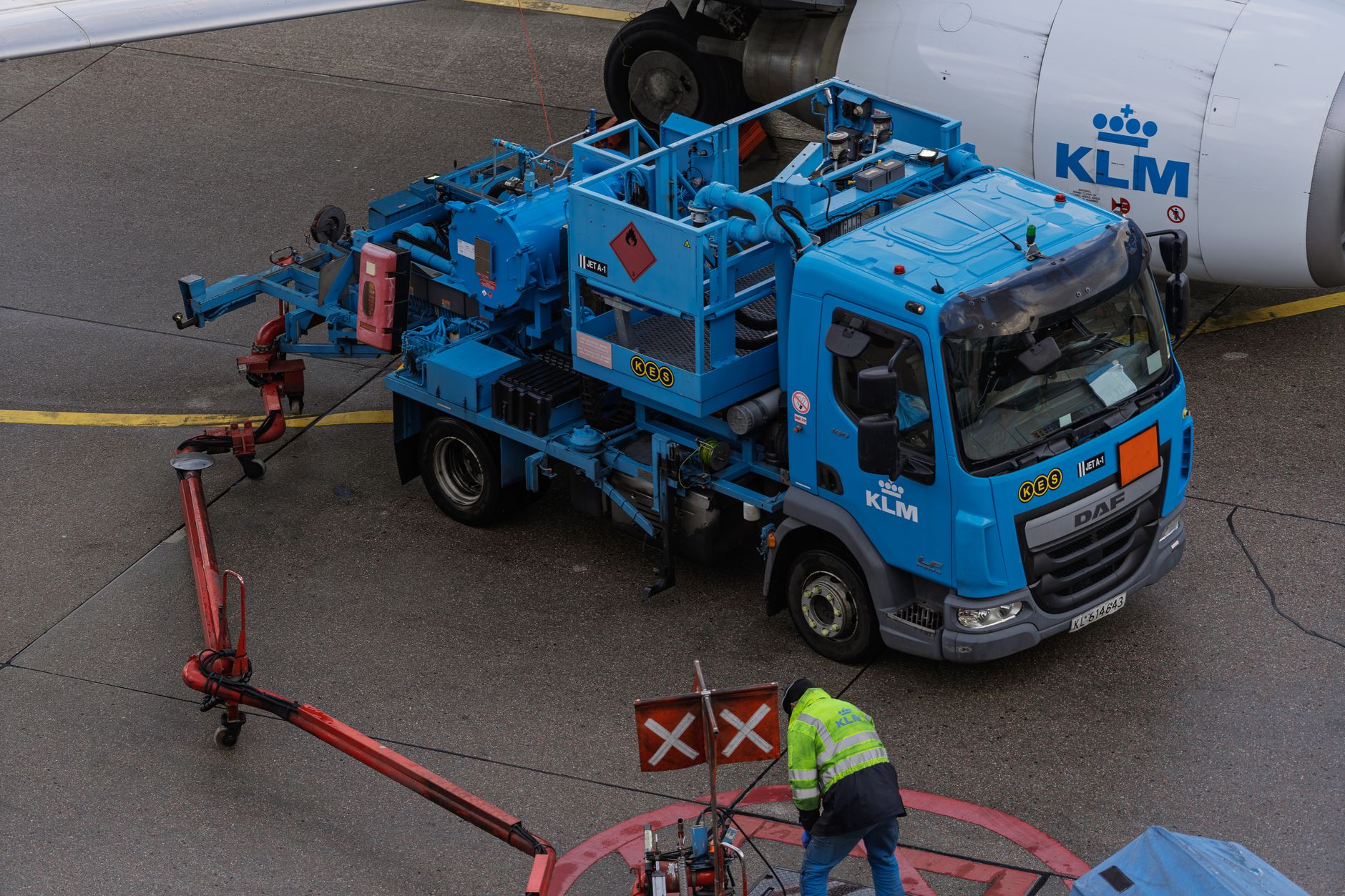
The standard toolkit is familiar: swaps, call options, and collars that cap the price an airline pays within an agreed range. In theory, these lock in predictability. In practice, they come with two drawbacks. Options cost money up front, whether or not prices ever rise. And swaps can turn into a liability when the market moves the other way, leaving an airline paying above-market prices on its hedge while rivals buy cheaper fuel on the spot market.
That second problem is the one that has burned the industry. A carrier that hedges heavily before a sharp drop in oil prices ends up with a balance sheet that looks worse than its unhedged competitors, even though management did exactly what a cautious treasury department is supposed to do. Delta has reportedly pulled back from conventional fuel derivatives in recent years for this reason, preferring structural answers to financial ones.
There is also a subtler issue. Airlines do not burn crude oil. They burn refined jet fuel, and the price of jet fuel is crude plus a refining margin that can swing independently. Hedging crude covers only part of the exposure. When refining capacity gets tight, the margin can balloon even while crude stays flat, and a crude-based hedge does nothing to help.
What Delta Actually Bought
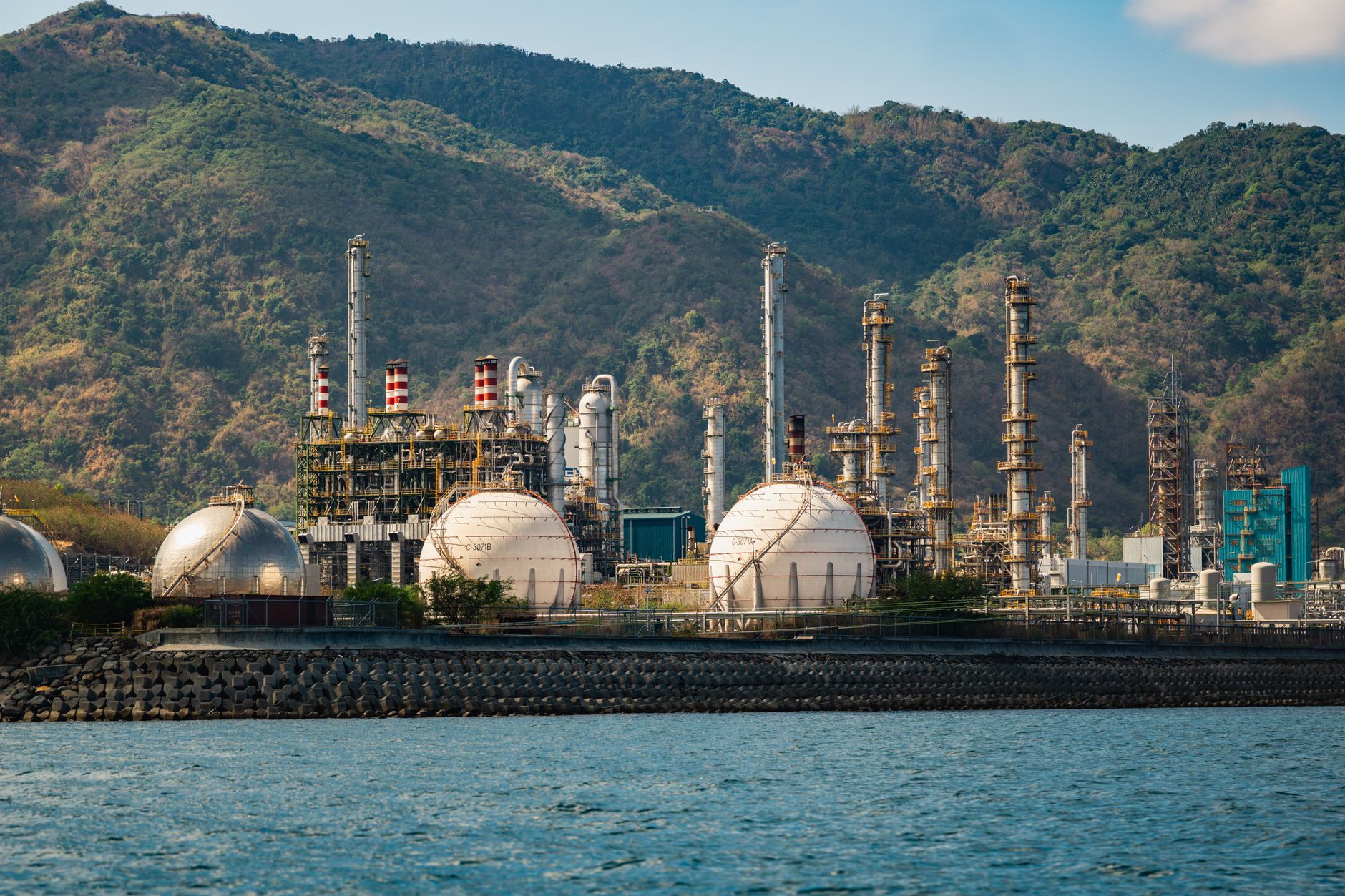
The Trainer refinery sits near Philadelphia, and its prior owner was preparing to idle it. Delta stepped in, backed in part by state support from Pennsylvania, and took over a facility that was running at a loss under its previous ownership. The deal drew skepticism at the time, because airlines are in the business of moving people, and refining is a low-margin, capital-hungry operation with its own set of dangers.
The plant does not make only jet fuel. Like any refinery, it produces gasoline, diesel, and other products alongside it. Delta handles that by exchanging those non-jet barrels with other suppliers for jet fuel delivered where its airports need it. The arrangement turns a refinery in one corner of the Northeast into a source of fuel supply across the network, though it adds a layer of logistics that a conventional fuel contract would never require.
Why the Refinery Works as a Hedge
The logic is about margins, not crude. A refinery earns the spread between what it pays for crude oil and what it gets for the products it sells. Jet fuel prices spike when that spread widens. For an airline buying all its fuel on the open market, a wider spread is pure pain. For an airline that also owns a refinery, the same widening raises the earnings of the plant, which offsets part of the higher fuel bill. The two sides of the business are pointed in opposite directions, and that is the whole idea.
It is a different kind of hedge from an options contract. There is no premium to pay and no counterparty who can demand collateral, and the protection does not expire at the end of a quarter. When refining margins surged in 2022, the refinery gave Delta a financial cushion that carriers without one did not have. The same structure runs in reverse: when margins compress, the plant earns less, but the airline’s purchased fuel gets cheaper, and the two effects partly cancel.
The costs are real, though, and they are not small. A refinery needs constant maintenance and continuing capital spending, and it carries environmental and safety obligations that sit far outside an airline’s normal competence. An unplanned outage hits twice, because the airline loses both the plant’s earnings and the fuel supply it counted on. A financial hedge can be unwound in an afternoon. A refinery cannot be sold quickly, and the buyer pool for an aging East Coast plant is thin.
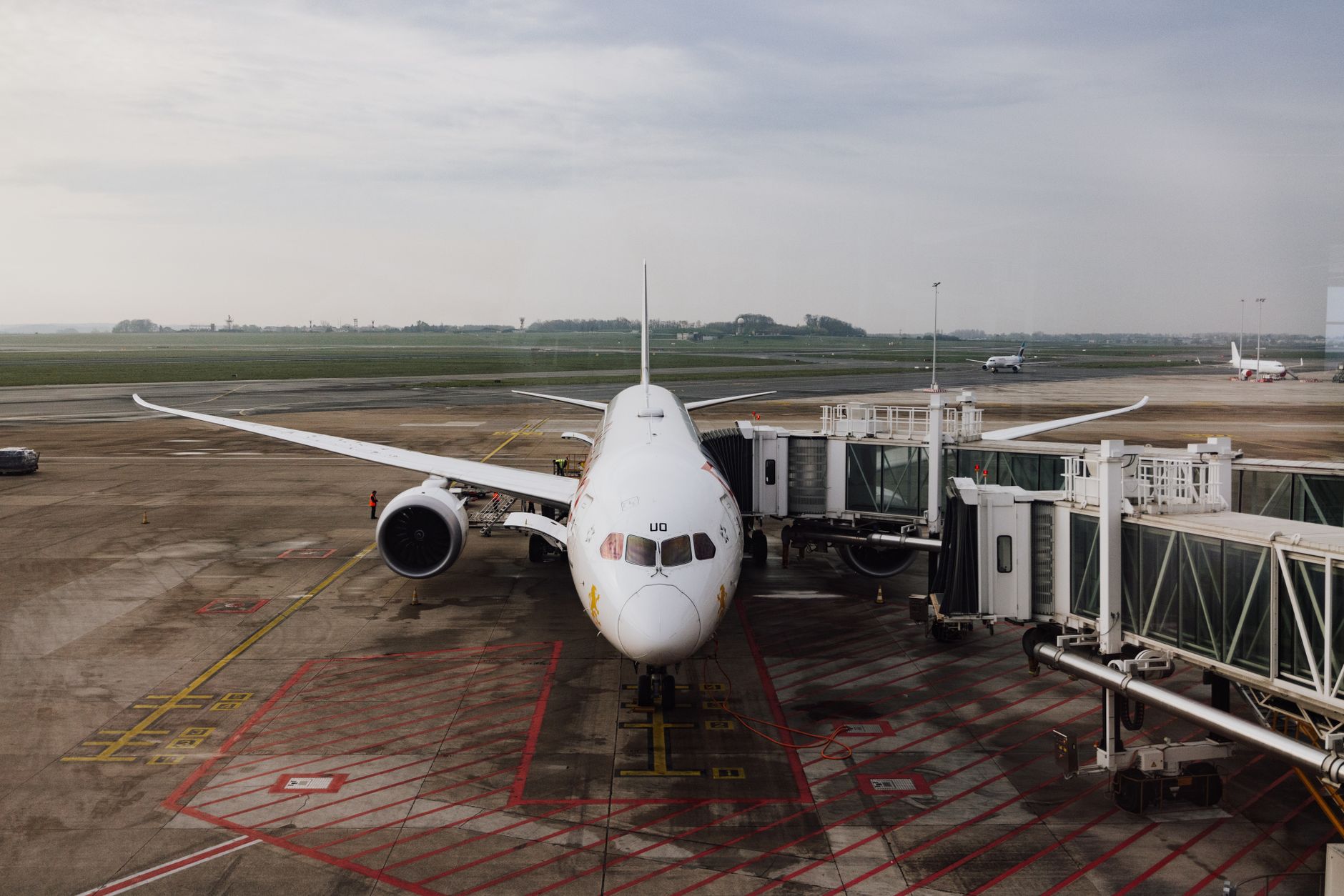
Scale is the other limit. A single refinery covers only a fraction of what a carrier of Delta’s size burns across its network, so the rest of the fuel bill still floats with the market. The structure is better described as a partial offset than a full shield. It softens the worst margin spikes without ever making fuel costs predictable, which is the one thing an airline CFO would most like to buy.
That leaves the question rivals have to answer: if the refinery only works when margins swing in a particular direction, and only for a slice of the fuel burn, is it a hedge at all, or just a bet on the refining business that happened to pay off when jet fuel got expensive?
Frequently Asked Questions
Why did Delta buy a refinery?
Delta bought the Trainer, Pennsylvania refinery in 2012 to gain exposure to refining margins, which drive jet fuel prices alongside crude oil. Owning the plant offsets part of the cost when those margins widen.
Does owning a refinery eliminate Delta’s fuel price risk?
No. The plant covers only a portion of Delta’s fuel needs and mainly offsets refining margin swings, not changes in crude oil prices. Most of the fuel bill still moves with the market.
How is a refinery different from traditional fuel hedging?
Traditional hedging uses swaps, options, and collars that cost premiums or can produce losses when prices fall. A refinery is a physical asset that offsets margin spikes naturally but brings operating, maintenance, and regulatory burdens.