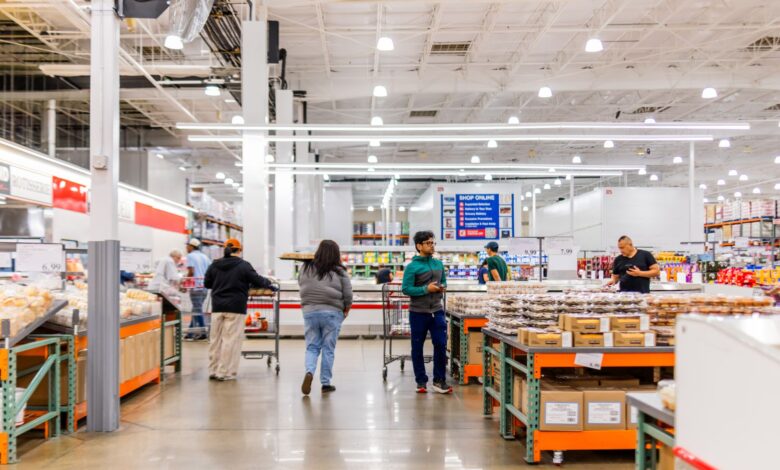
A five-dollar increase looks trivial at a checkout counter. Multiplied across tens of millions of households that renew without much thought, it becomes one of the most dependable profit engines in American retail. When Costco raised its annual fees in September 2024, moving the Gold Star tier from $60 to $65 and the Executive tier from $120 to $130, the move was the company’s first increase in more than seven years. Investors treated it as a scheduled payday rather than a risk.
Wall Street’s interest is simple arithmetic. Membership fees are close to pure profit, because the cost of collecting a renewal is tiny next to the cost of stocking, shipping and selling a pallet of paper towels. They make up a small slice of Costco’s total revenue but a much larger share of its operating income. That gap explains why a modest price change on a card moves the stock more than a sale on rotisserie chicken ever could.
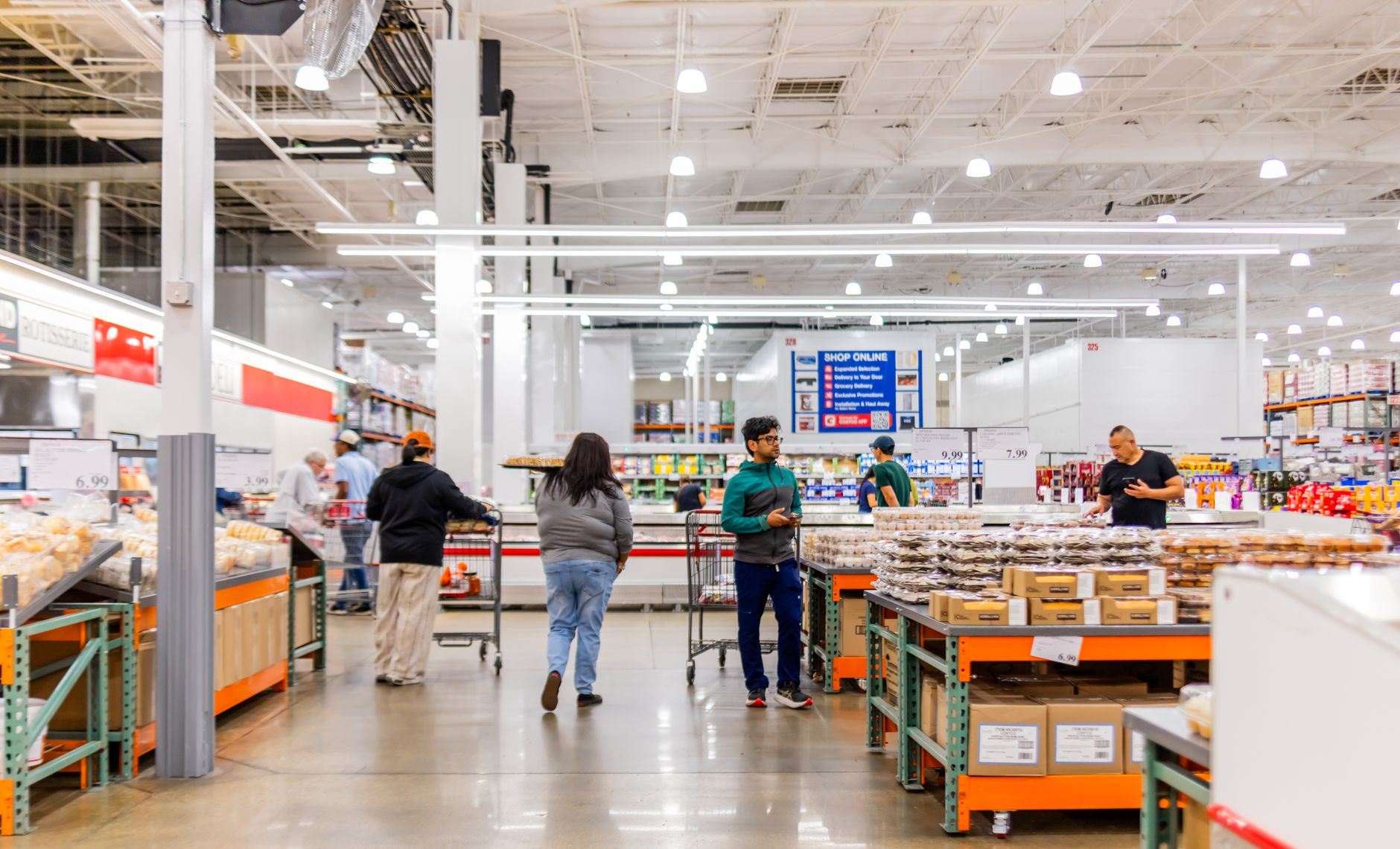
A Store That Sells Access, Not Just Merchandise
Most retailers try to earn a margin on every item and then fight over how much to shave off. Costco inverts the logic. It caps markups on goods at a level that would make a conventional grocer nervous, then relies on the fee to supply the profit the shelves deliberately leave behind. The shopper is the customer, but the membership is the product.
That structure changes how the company behaves. A store that lives off item margins has to raise prices when costs climb, which risks pushing shoppers elsewhere. A store that lives off fees can absorb pressure on goods, keep the famous $1.50 hot dog combo where it has been since the 1980s, and treat low prices as advertising for the renewal notice. Every cheap gallon of milk is a reason to pay the annual fee again.
Why Renewals Matter More Than the Price Tag
The fee itself is only half the story. The other half is how many people pay it a second time. Costco’s renewal rate has hovered above 90 percent in its core markets for years, a figure most subscription businesses would envy and most retailers cannot approach. When that many customers return, a fee increase compounds on a base that barely leaks.
The rate holds up because the value is easy to feel. A household that buys fuel, groceries, tires and a rotisserie chicken in one trip can see the savings stack up against a $65 fee within a few visits. Once a member has built a routine around bulk purchases and the Kirkland Signature private label, switching means giving up habits as well as discounts. That friction works in Costco’s favor without any contractual lock-in.
The Executive tier adds a second layer. Members pay double the base fee in exchange for an annual reward on qualified purchases, which Costco raised in the same announcement, lifting the cap from $1,000 to $1,250. For a heavy shopper the reward can exceed the fee, which turns the upgrade into something that feels like a rebate rather than an expense. Executive members also tend to spend more per visit, and Costco gets both the higher fee and the larger basket.
There is a quieter benefit to the structure. The reward is paid after the fact, so Costco holds the money for months while members keep shopping to earn it. A customer who is $200 short of making the upgrade pay off has a reason to consolidate even more of the household budget in the warehouse. The tier works as a loyalty program that members pay to join.

The Discipline of Raising Prices Rarely
Costco’s pricing power comes partly from how seldom it uses it. The company has historically raised fees roughly every five to six years, a cadence so regular that investors can model it. Members expect it, the company explains it with reference to rising costs and the value delivered, and the reaction tends to be a shrug rather than a revolt. A retailer that hiked fees every year would feel like a toll booth. One that does it once in a long while feels like a fair adjustment.
That restraint also protects the brand’s central promise. If Costco squeezed members aggressively, the warehouse would lose the loyalty that makes the fee sustainable in the first place. Instead, the company trades short-term upside for predictability, and the market pays a premium for it. Predictability is exactly what a stock trading at a rich multiple needs to justify itself.
Where the Model Could Strain
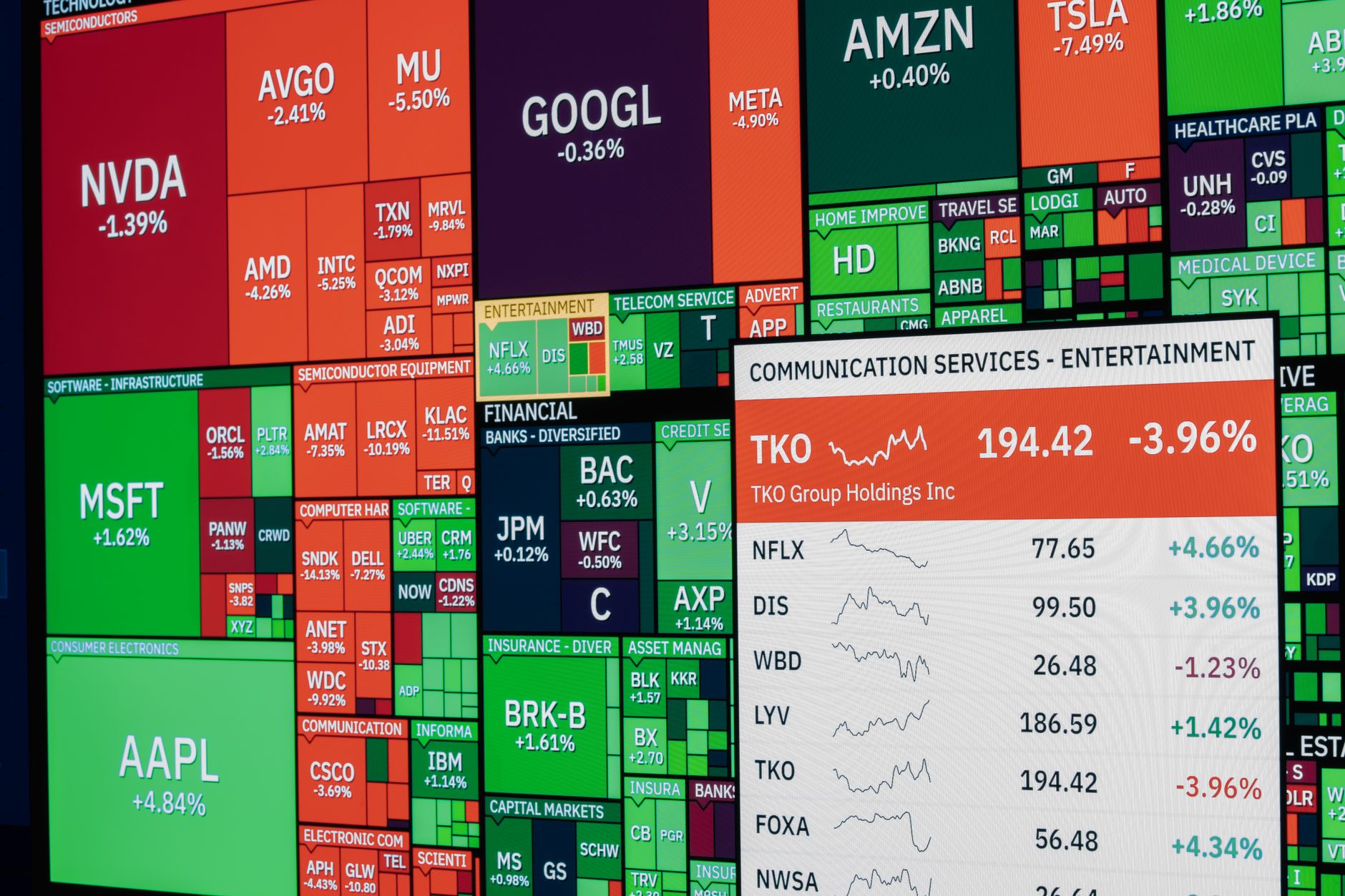
None of this makes the arrangement bulletproof. Costco’s stock has long traded at a valuation well above most grocers and big-box rivals, which means the market is pricing in years of uninterrupted renewals and orderly fee hikes. A model that depends on near-perfect member retention leaves little room for a surprise. Even a small slip in renewal rates would hit a business whose profit depends so heavily on that single line.
Competitors are also not standing still. Sam’s Club and BJ’s Wholesale chase the same bulk-buying household, and Amazon’s Prime program sells a different version of the same idea: pay once a year, then feel obligated to get your money’s worth. Costco has also tightened enforcement on card sharing, with stricter checks at the door and at self-checkout. That policy can lift fee income by turning free riders into paying members, but it carries the risk of irritating the very shoppers the warehouse depends on.
The harder question is what happens once the easy gains are gone. Costco has been adding warehouses and growing its digital sign-ups, but physical expansion is slow, and each new location takes years to mature. If the next fee increase follows the old rhythm, it would not arrive until near the end of the decade, which leaves a long stretch for investors to hold a premium valuation while the company waits for its next five dollars.