A coffee shop where most customers never sit down is not much of a living room. For decades Starbucks sold itself as the place between home and work, borrowing the “third place” idea from sociologist Ray Oldenburg and turning it into a brand promise. Today a growing share of its orders are placed on a phone, picked up from a counter shelf, and carried out the door without the customer touching a chair.
The company’s current leadership has decided that gap is a problem.
Brian Niccol took over as CEO in September 2024 after running Chipotle, and his “Back to Starbucks” push has leaned heavily on the physical café. Ceramic mugs for people staying in, a return of the condiment bar, handwritten messages on cups, and tighter rules about who can use the seating and restrooms are all part of it. Read together, these moves are less a nostalgia project than an attempt to decide which stores should work as cafés and which should work as fuel stops for caffeine. The question is whether one chain can credibly do both.
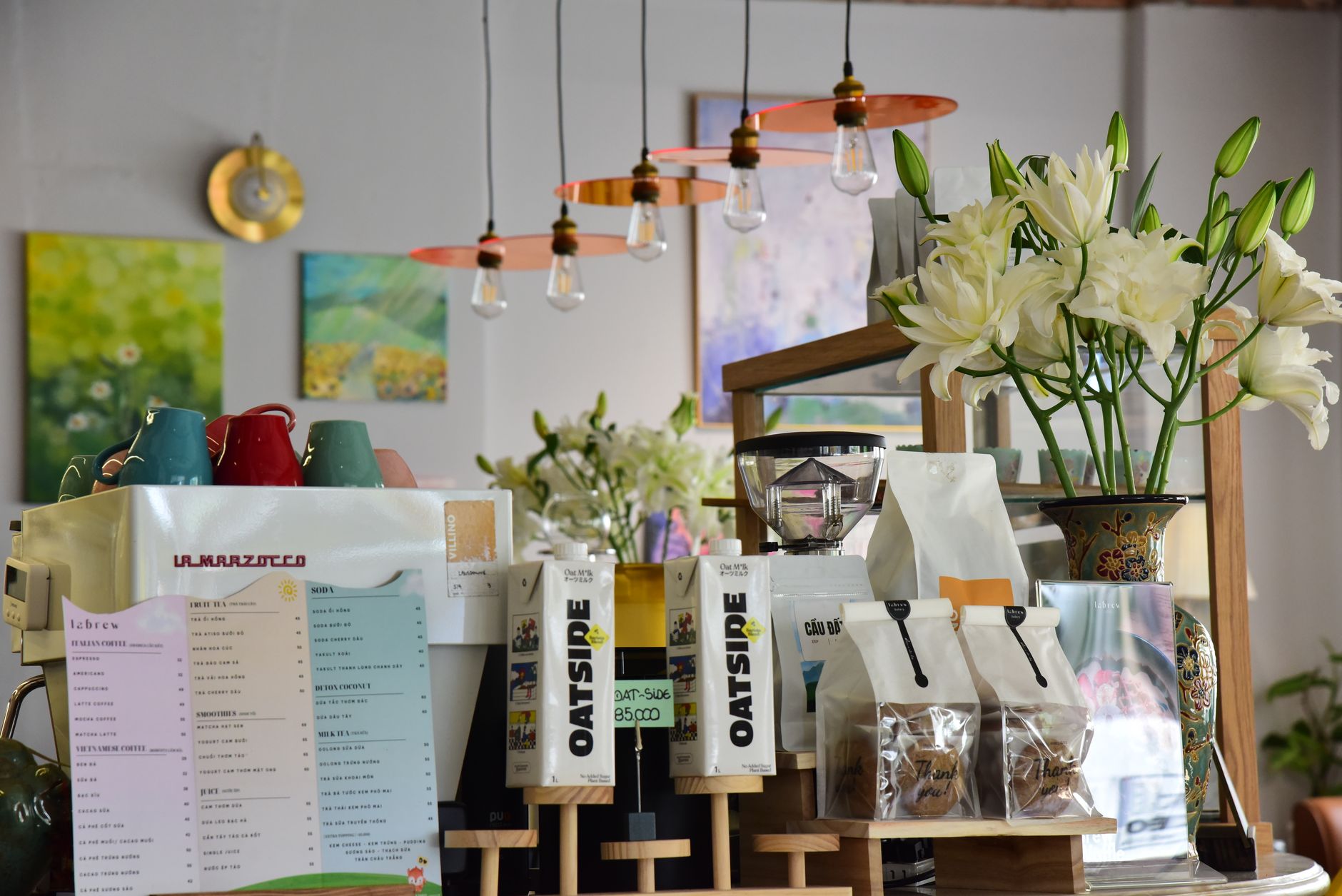
How the Café Got Crowded Out
The third-place model did not collapse so much as get buried under its own success. Mobile ordering and drive-thru lanes brought in enormous volume, and the menu grew to match, with layered cold drinks, customized foam, and flavor combinations that take real time to build. A store designed around a bar where a barista makes a drink for a person standing in front of them became a production line serving two dozen people who are not there yet. The pickup counter filled with cups, the lobby filled with people hunting for their names, and the customer who wanted to sit with a book started to feel like an obstacle to throughput.
Access became its own flashpoint. After a 2018 incident at a Philadelphia store drew national criticism, Starbucks adopted an open-door policy that let anyone use seating and restrooms without making a purchase. It was a defensible response to a real failure, and it fit the third-place ideal of a space belonging to the neighborhood. In January 2025 the company reversed course and limited café seating and restrooms to paying customers. That reversal is the clearest signal that the open-living-room idea had collided with the operational reality of busy, often understaffed stores.
The economics explain why the tension could not last. A seat is rent, heat, cleaning, and square footage that could otherwise hold a second drive-thru lane or more pickup shelving. A customer who buys one drink and occupies a table for several hours is generating almost nothing against that cost, while a customer who orders on an app and leaves in ninety seconds is generating a sale and freeing the space immediately. For years the company could hide that math behind brand value, because the cozy café justified a premium price on every cup. Once most of the premium is collected from people who never experience the café, the logic of paying for all that seating gets harder to defend.
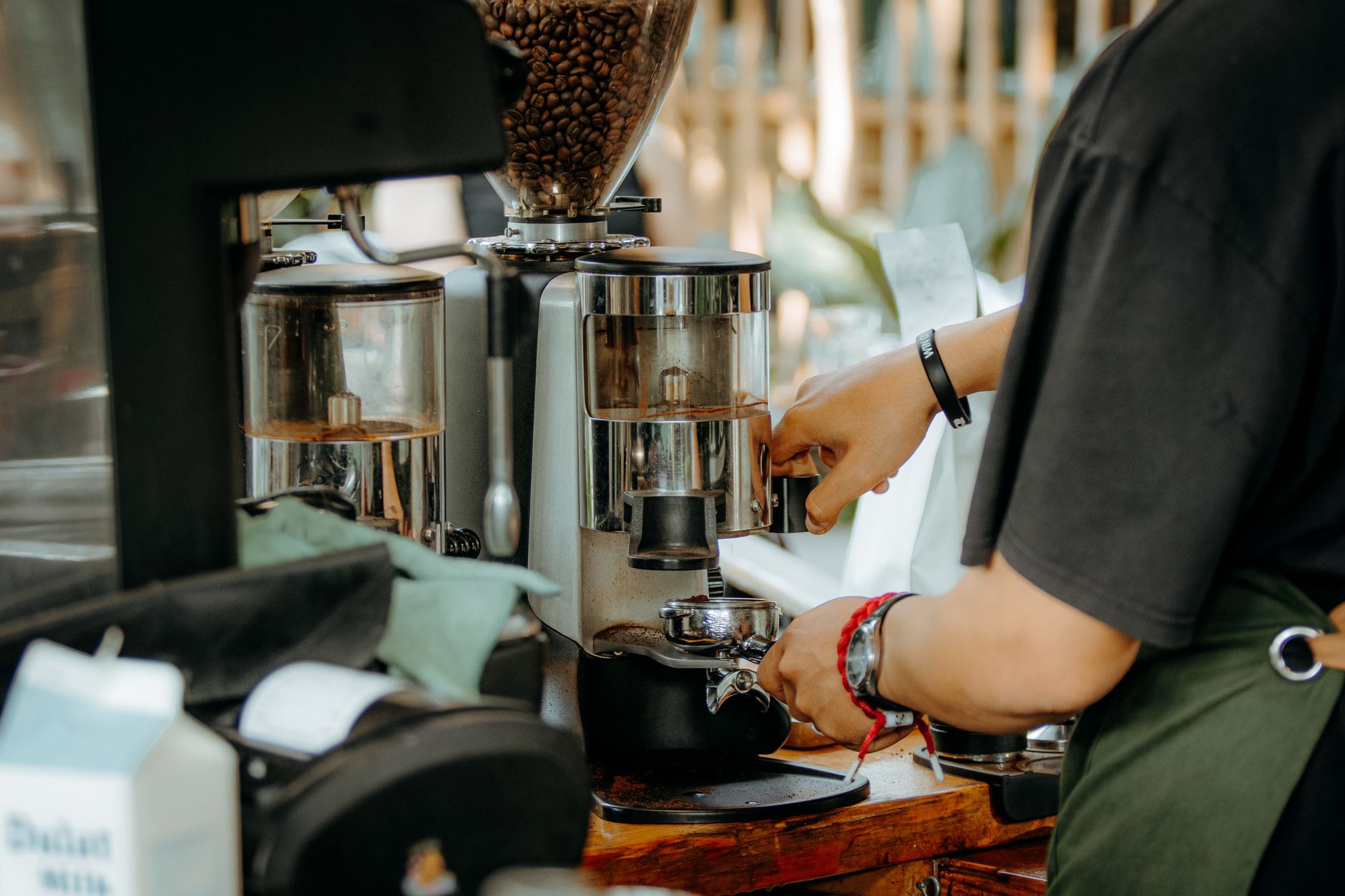
What a Rebuilt Café Looks Like
The ceramic mug is a small object carrying a large argument. Handing a dine-in customer a real mug tells them they are expected to stay a while, and it separates the person lingering from the person grabbing a cup on the way to a train. It also costs more in labor, because someone has to wash it, which means the gesture only makes sense if the company believes the seated customer is worth the effort. The condiment bar works the same way. It is a self-service ritual that makes a store feel like a place with its own habits rather than a pickup window with a roof.
The more consequential shift is segmentation. Imagine two Starbucks locations a few miles apart: one in a downtown office tower serving a stream of mobile orders, the other in a residential neighborhood with armchairs, a long counter, and regulars who know the staff. Treating them as the same store has been the chain’s habit, and it has produced cafés that are bad at being cafés and bad at being pickup hubs. Starbucks has been closing underperforming locations and signaling that it wants stores matched to how they are actually used. That means some sites will be stripped down for speed, while others are rebuilt around comfort, seating, and a slower pace.
None of this is easy, and the risks run in both directions. Sit-down customers want attention and a calm room, but the same baristas are still handling a flood of digital orders, so every added touch can slow the line the company is trying to speed up. Rivals have also picked a lane. Chains built around drive-thru and walk-up service, such as Dutch Bros, have grown by committing to speed and friendliness without pretending to be a lounge, while independent coffeehouses own the lingering crowd with character a corporate redesign struggles to copy. Starbucks is trying to be the fast option and the slow option at once, and the customer in the middle may notice when either one is weak.

The Seat Still Has to Earn Its Place
Somewhere right now a customer is sitting in a Starbucks with a ceramic mug and a laptop, and the company has to decide whether that person is the point of the strategy or the cost it is trying to manage.
Frequently Asked Questions
What is the Starbucks third place concept?
It is the idea of a welcoming space between home and work, drawn from sociologist Ray Oldenburg’s work, where people gather, linger, and feel part of a community.
Why is Starbucks changing its café strategy?
Mobile ordering and drive-thru sales have crowded stores and left many cafés underused as gathering spaces. The company is trying to match each location to how customers actually use it.
What changes has Starbucks made under Brian Niccol?
The company has brought back ceramic mugs for dine-in customers, restored condiment bars, added handwritten notes on cups, and limited seating and restroom use to paying customers.