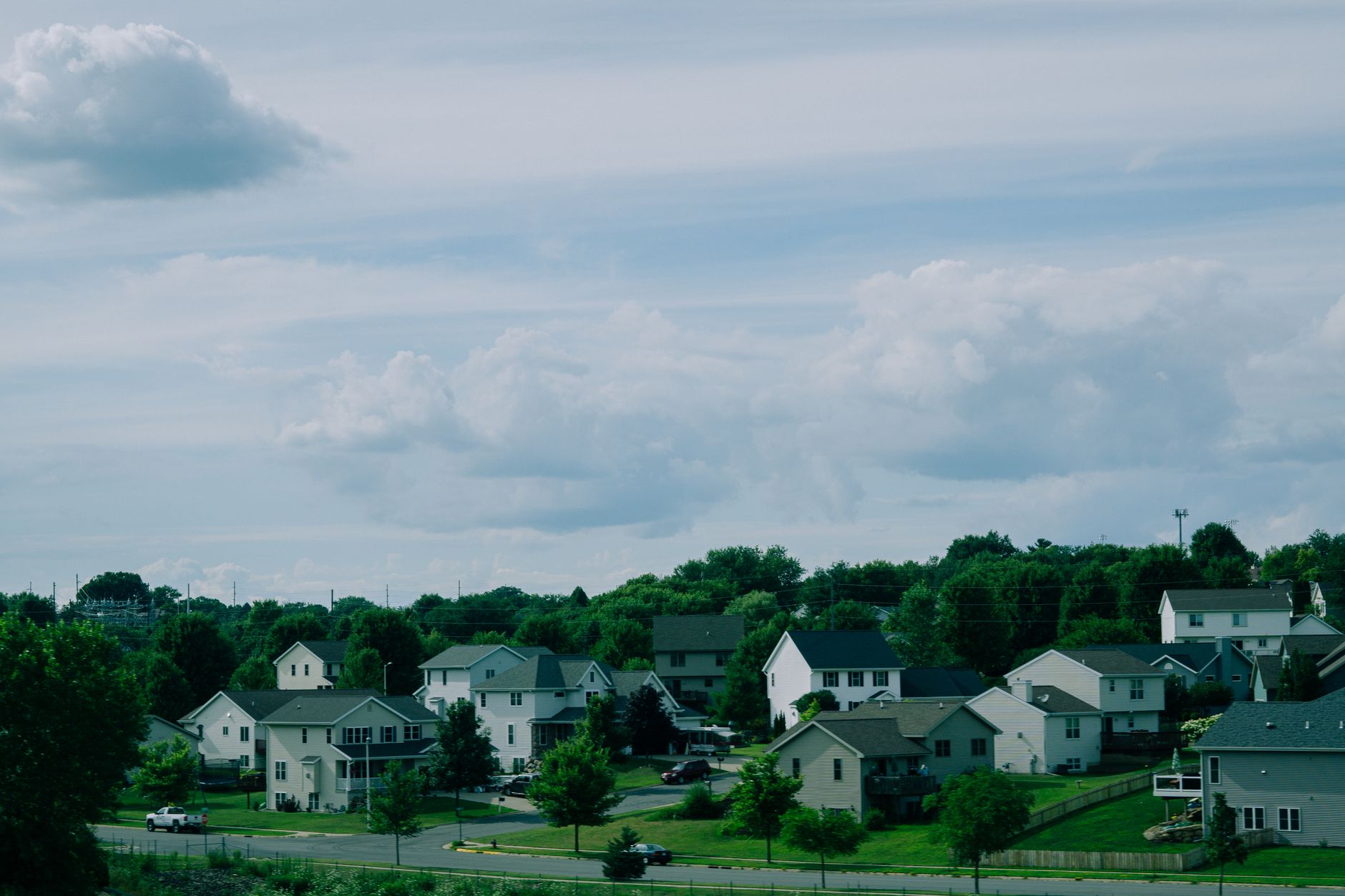
A drone can cross a suburban backyard in seconds, but the legal questions it raises can take years to settle. Walmart’s push to put drone launch sites at more of its stores is forcing those questions into town halls that were never built to answer them.
Who Owns the Sky Above a Parking Lot?
The basic legal picture is simple on paper. The federal government controls navigable airspace in the United States, and the Federal Aviation Administration decides who can fly, where, and under what conditions. Cities and counties cannot write their own flight rules, which is why a town council cannot simply declare a neighborhood a no-drone zone and expect the ban to hold up.
Walmart’s approach makes that division awkward. The retailer has generally worked with outside drone operators rather than building an aircraft business of its own, and it uses its stores as the physical anchor for the service. A customer places an order, a small aircraft lifts off from a staging area near the building, and a package is lowered on a tether in a yard a short distance away. The company supplies the inventory and the real estate. The operator supplies the aircraft and the flight authority.
That split matters because the ground is where local governments still have power. Zoning, land use, building permits, fire codes, and noise ordinances all belong to municipalities, and a drone launch site is a piece of commercial infrastructure bolted onto a parking lot. A town may not be able to regulate the flight path, but it can ask questions about the structure, the fueling or charging equipment, the hours of operation, and the traffic generated at the site.
The result is a gray zone where each side has real authority and neither controls the whole system. Federal regulators approve the flying. Local officials approve, or decline to approve, the place it starts from. When the two pull in different directions, the retailer ends up in the middle, trying to satisfy a national aviation framework and hundreds of local ones at once.
Where the Friction Shows Up
Noise is usually the first complaint, and it is more complicated than it sounds. A drone at delivery altitude is not loud in the way a helicopter is loud, but the sound is a high-pitched whine that many people find harder to ignore than a lower hum. One flight is barely a nuisance. A launch site that runs flights all afternoon, on every afternoon, is a different thing, and the people living under the most common routes experience it as a daily condition rather than an occasional event.
The second pressure point is how the FAA treats flights that go beyond the operator’s line of sight. Routine commercial delivery depends on aircraft flying well past where a person on the ground could see them, and for years that has required individual approvals, waivers, and specialized certifications. The agency has been working toward a more standardized rulemaking for these flights. Until that framework is settled and applied, expansion happens through a patchwork of case-by-case permissions, and local officials often cannot tell what has been approved for the aircraft overhead.
Density is the problem that gets less attention than it deserves. A single store with a handful of flights per hour is easy to manage. Dozens of stores in one metropolitan area, each with its own launch zone, start to produce overlapping routes. Add a second operator serving a different retailer, hobby pilots, news helicopters, medical flights, and small aircraft arriving at regional airports, and the low-altitude sky starts to look like a road network with no traffic signals. Systems meant to coordinate low-altitude traffic are still under development, so for now much of the deconfliction depends on each operator’s own software and discipline.
Privacy and public safety add another layer. Delivery drones carry cameras for navigation and package placement, and residents reasonably ask what those cameras record, who stores the footage, and for how long. Emergency responders have their own concerns: what happens when an aircraft goes down in a yard, who gets the call, and whether a fire department has any training for a lithium battery incident involving a machine it did not authorize. Those are practical questions, and they land on local agencies that had no say in approving the flights.
Taken together, these complaints share one feature. Residents and officials are raising them through the only channels they have, which means zoning hearings, noise complaints, and public comment periods, even when the thing they object to is a federal permission. A planning board can spend an evening debating a landing pad when the real issue is a flight corridor it has no authority to move.
What Regulators and Retailers Are Left Negotiating
The practical outcome so far is a quiet bargaining process. Retailers and their operators tend to do better where they treat local officials as partners rather than obstacles, sharing flight plans, adjusting routes away from schools and dense housing, and agreeing to limits on hours. None of that is legally required in most cases, which is exactly why it is a negotiation rather than a rule. A company that wants to scale in dozens of markets has a strong reason to avoid becoming the villain of a town meeting.

But voluntary concessions are uneven by nature, and they depend on the goodwill of whoever is running a given market. A national standard for noise, altitude, and route notification would give towns something firmer than a handshake, and it would give Walmart a predictable set of conditions to build around. The harder question is whether Washington will write that standard before the first wave of public frustration hardens into local bans that test the limits of federal preemption in court.