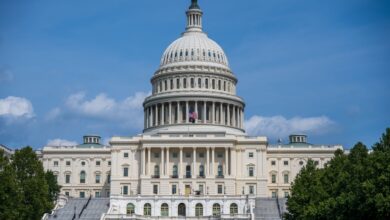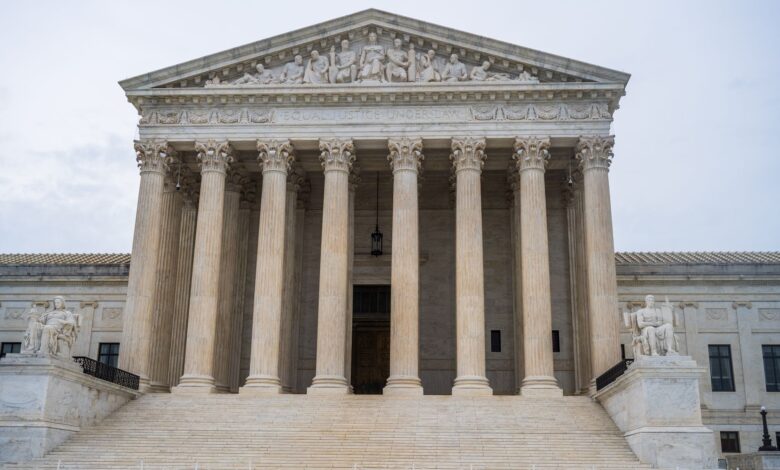
Congress has held the constitutional power over tariffs since the founding, and for most of the last year it behaved as though it had misplaced it. The Supreme Court has now handed the pen back.
What the Court Took Away
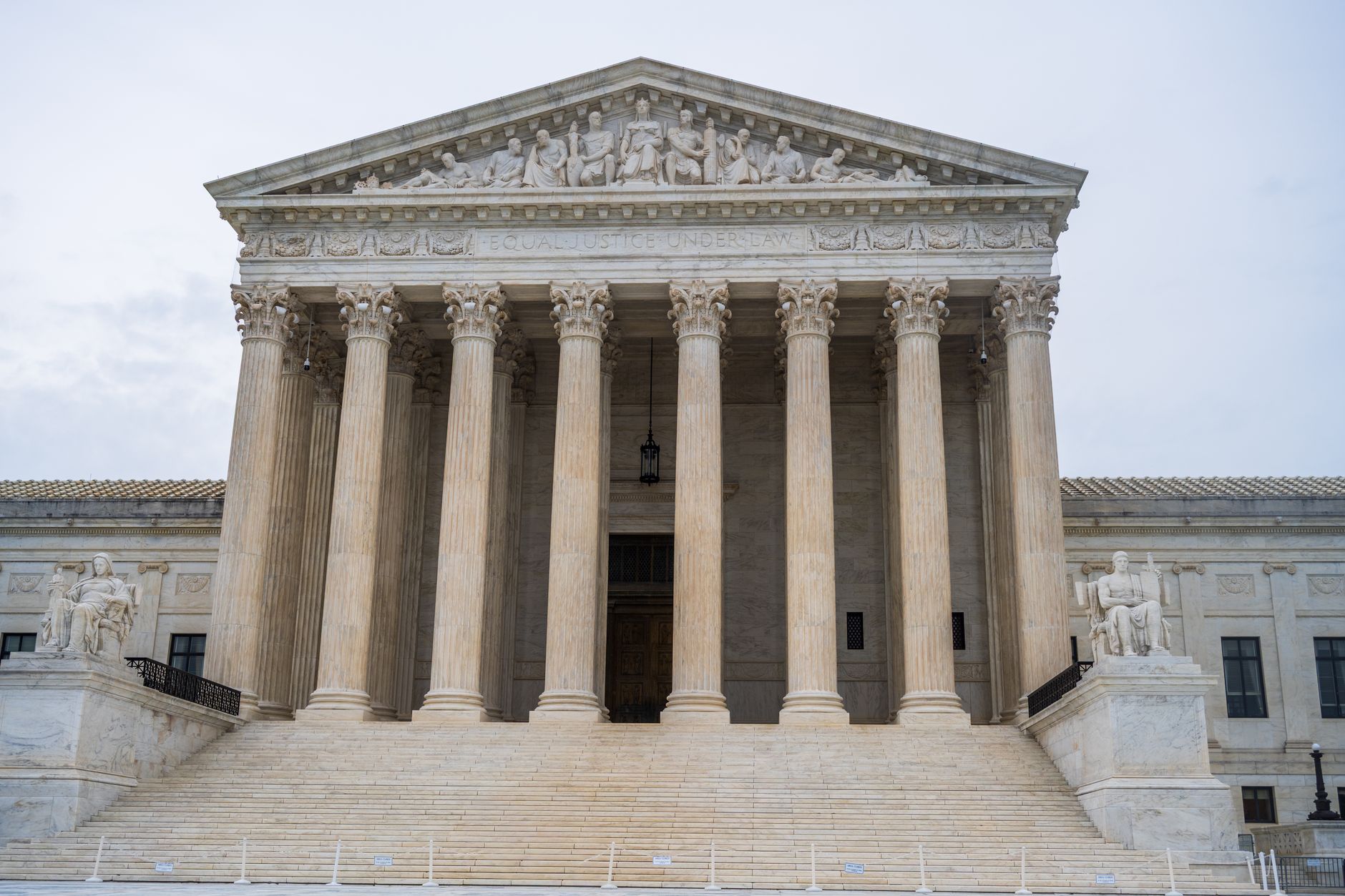
The dispute centered on the International Emergency Economic Powers Act, a 1977 law written to let presidents freeze assets, block transactions, and cut off hostile governments during a declared emergency. For decades it was a sanctions tool. The administration read the statute’s language about regulating importation as a license to impose broad tariffs on nearly every trading partner, justified by emergencies it declared over fentanyl flows and trade deficits. The Court’s answer was that a general emergency statute does not quietly contain one of the largest taxing powers in the federal government.
The logic is easy to follow even without the legal citations. A tariff is a tax paid by importers at the border, and the Constitution gives the power to lay duties to Congress in Article I. When a president claims that power through a statute that never uses the word “tariff,” the question becomes whether lawmakers could plausibly have meant to hand over something that large. The Court concluded they did not.
The ruling is narrower than it may sound, and that matters for anyone expecting tariffs to vanish. Duties on steel, aluminum, and autos rest on Section 232 of the Trade Expansion Act, which lets the Commerce Department investigate national security threats from imports. The long-running China tariffs rest on Section 301 of the Trade Act of 1974, which requires the Trade Representative to build a record of unfair practices. Neither statute was at issue. Both come with procedures, investigations, and paper trails that the emergency approach skipped.
The harder question is money. Importers paid the contested duties for months, and many now want them back. Refunds raise messy practical problems: who gets paid, how claims are processed, and whether companies that already passed the costs on to customers collect a windfall. None of that is answered by a ruling about statutory authority, and it will land in lower courts and, eventually, in Congress.
Why Lawmakers Gave This Power Away
The delegation did not happen by accident. After the Smoot-Hawley tariffs of 1930, which most historians tie to deepening the Depression, Congress spent the following decades shifting tariff authority to the executive branch. The 1934 Reciprocal Trade Agreements Act started the process, and later statutes expanded it. Members of Congress learned that voting directly on import duties meant choosing between farmers, manufacturers, retailers, and consumers, and that the safest vote was often no vote at all.
That habit has a political payoff beyond convenience. When a president imposes tariffs on his own authority, lawmakers can praise the results to supporters who like them and criticize the costs to constituents who do not. A member from a soybean district can complain about retaliation without ever having cast a vote that caused it. Taking the pen back means giving up that deniability, and few incumbents volunteer for it.
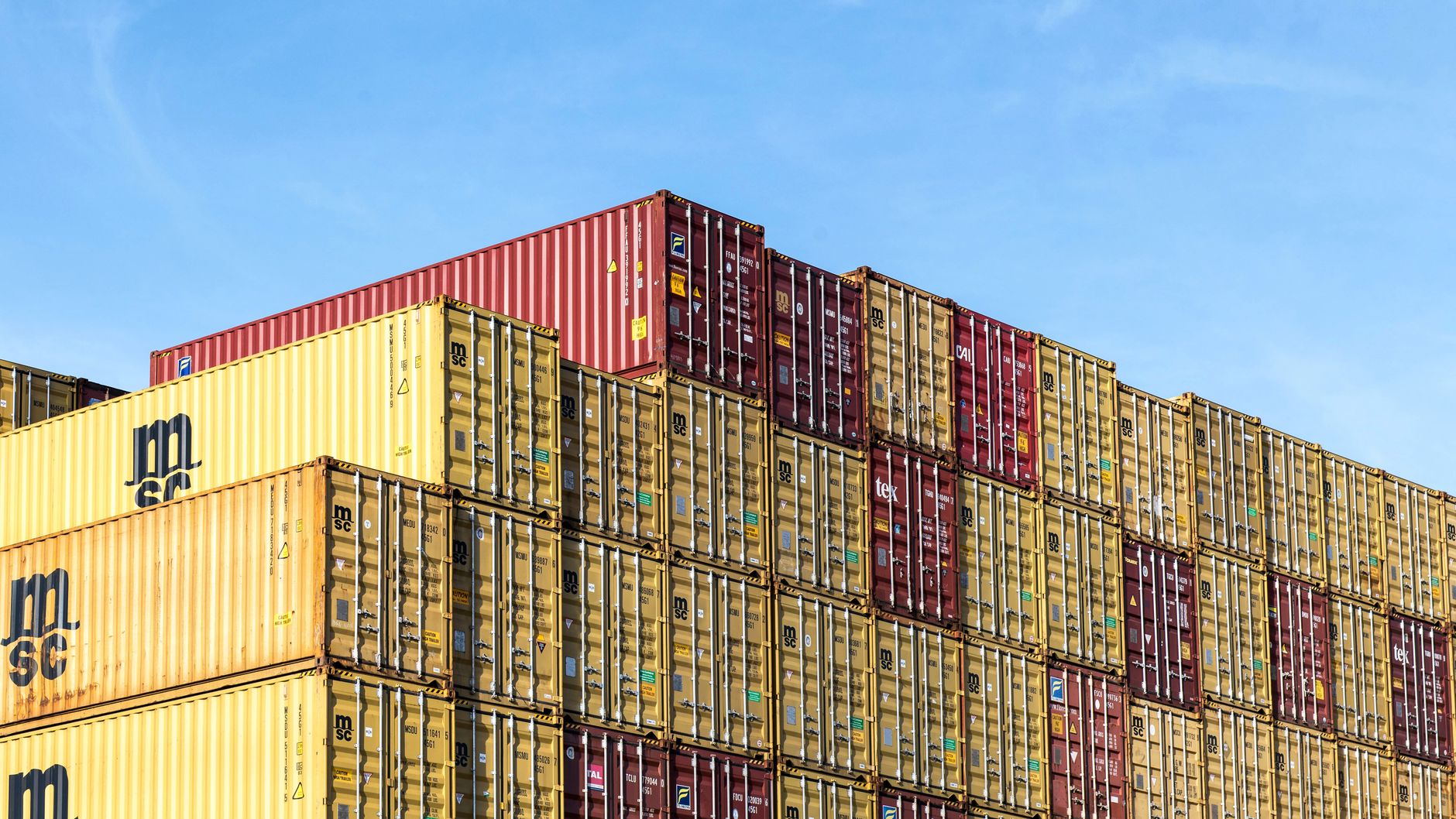
The procedural math makes it worse. A standalone tariff bill in the Senate would face the 60-vote threshold, which a closely divided chamber rarely clears on anything contested. Tariffs raise revenue, so there is a plausible argument that they could ride in a budget reconciliation package that needs only a simple majority. That route has its own constraints, including strict rules on what can be included, and it would tie trade policy to every other fight packed into the bill.
Then there is the coalition problem. Republicans are split between free-trade traditionalists, farm-state members who fear retaliation, and populists who see tariffs as a core promise. Democrats are not unified either. Many support targeted duties on China or on steel but oppose broad across-the-board levies, and a bill that satisfies one wing will lose the other. Business groups on both sides of the aisle will lobby hard, because every tariff schedule creates winners and losers down to the product code.
One mechanism could force the issue even if no one wants it. Section 122 of the Trade Act of 1974 lets a president impose a temporary import surcharge to address balance-of-payments problems, capped at 15 percent and limited to 150 days unless Congress votes to extend it. An administration looking for a bridge after the ruling could reach for that authority, and it would deliver a built-in deadline. Lawmakers would then have to either approve the tariffs, let them lapse, or craft something new. Inaction, the option Congress has preferred for decades, would become a decision in its own right.
The Clock Nobody Controls
Trading partners that negotiated frameworks under the threat of tariffs are now asking what those commitments are worth. A deal struck to avoid a duty the president lacked the power to impose is a weaker deal, and foreign governments know it. At the same time, they cannot assume Congress will leave the administration without tools, because the other statutes remain available and can be used more aggressively than they have been.
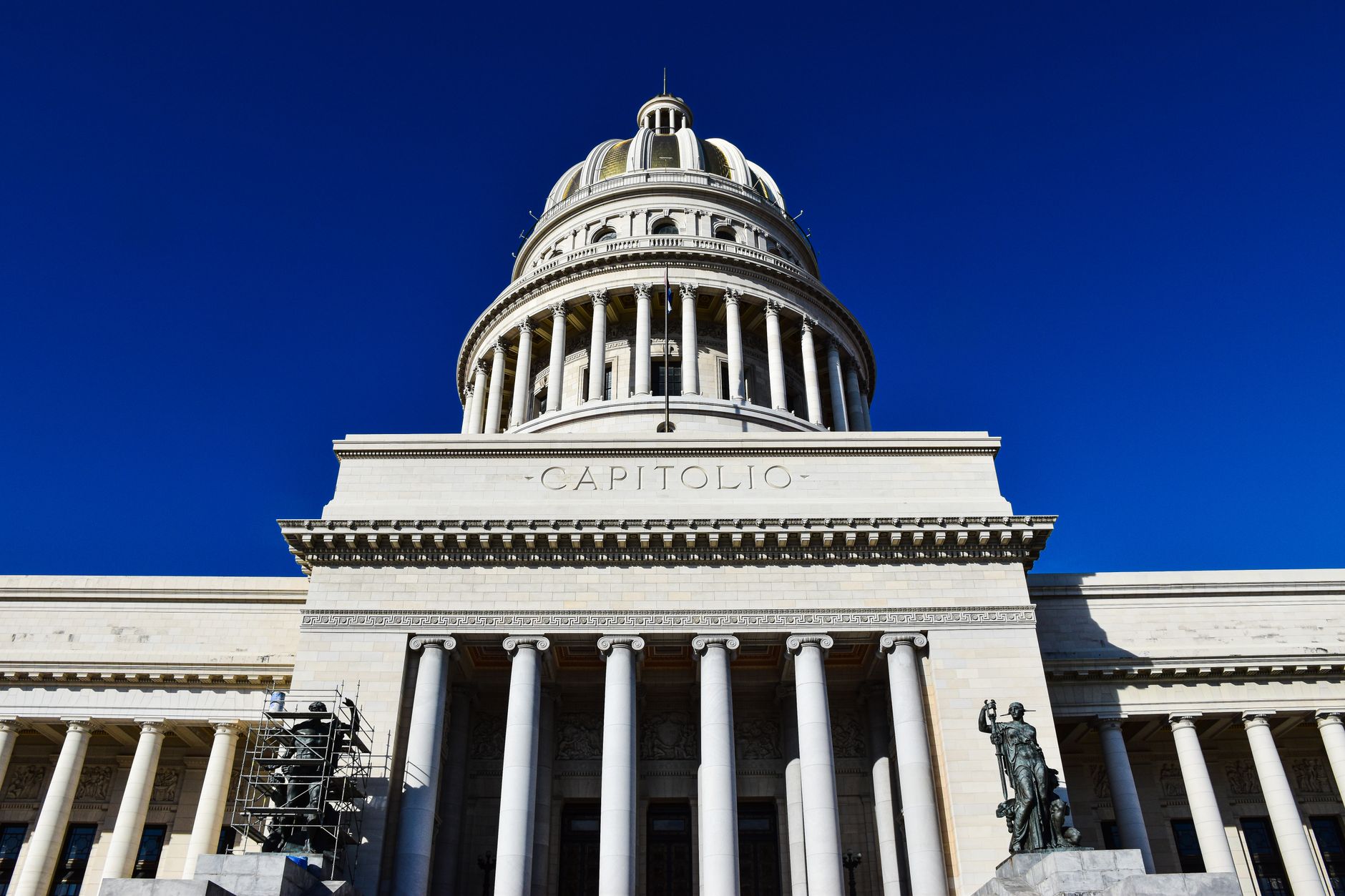
The calendar may end up doing what the legislature will not. If a Section 122 surcharge is imposed, its 150 days start running the moment it takes effect, and no amount of delay in the Senate stops the clock from reaching zero.