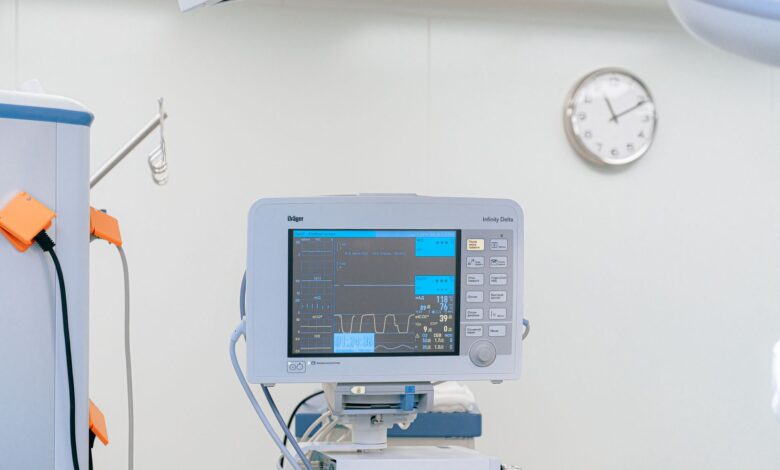
Walk-in urgent care used to be a local business. A physician group would open a few clinics, build a patient base, and run a lean operation without the overhead of a hospital system. That model is quietly disappearing as regional urgent care chains get absorbed, one by one, into the portfolios of major hospital networks and health systems.
Why Sellers Are Walking Away Now
The economics of running an independent urgent care chain have shifted considerably over the past several years. Staffing costs for physicians, nurse practitioners, and physician assistants have climbed sharply, while reimbursement rates from commercial insurers have stayed largely flat. Owners who built their businesses on favorable lease terms and low labor costs are now watching margins compress from both ends simultaneously.
Regulatory complexity has added another layer of pressure. Independent operators are navigating credentialing requirements, electronic health record compliance, and evolving billing codes without the infrastructure that larger systems take for granted. A regional chain running eight to twelve locations may not have a dedicated compliance team, which means clinicians are spending time on administrative work rather than patient care. That inefficiency is expensive and hard to fix without scale.
Private equity entered the urgent care space aggressively in the 2010s, consolidating small operators into mid-sized regional chains with the intention of achieving a profitable exit. For many of those PE-backed platforms, the exit is now overdue. Hospital networks, already well-capitalized and actively looking to expand outpatient access points, are a logical and willing buyer. The transaction structures tend to be straightforward: a purchase of assets or equity at a multiple of EBITDA, with the selling management team often retained for a transition period.
Owner-operated chains – the ones not backed by private equity – are making similar calculations, just for different reasons. Founders who opened their first clinic a decade ago are now in their fifties or sixties with no clear succession plan. Selling to a health system offers liquidity, operational stability for their staff, and continuity of care for patients. It is a cleaner exit than recruiting a new management team or handing the business to a family member who may not want it.

What Hospital Systems Actually Want
Hospital networks are not buying urgent care chains because they love treating sprained ankles and sinus infections. They are buying access. Each urgent care location functions as a front door – a place where a patient’s first interaction with the health system happens, often before any chronic condition is managed or any specialist is consulted. Capturing that relationship early is worth considerably more than the revenue the urgent care visit itself generates.
Referral pipelines are the real asset. When a hospital-owned urgent care clinic identifies a patient who needs imaging, a follow-up consultation, or surgical intervention, that referral goes back into the system. Independent urgent care operators send those referrals wherever the patient asks or wherever is most convenient. A hospital network that owns the urgent care clinic controls where that patient goes next, which means higher-margin downstream revenue stays inside the system rather than flowing to a competitor.
Geographic density matters too. Health systems competing for employer health plan contracts need to demonstrate broad network coverage – not just a flagship hospital and a handful of specialty clinics, but accessible locations across suburbs and secondary markets. Acquiring a regional urgent care chain with fifteen or twenty locations can fill geographic gaps faster than building de novo clinics, which take years to permit, staff, and establish patient volume. It is an acquisition of real estate footprint as much as anything else.
There is also a defensive logic at work. Hospital systems that do not acquire urgent care capacity risk watching patients get routed into competitor systems or, increasingly, into retail health clinics operated by pharmacy chains and large insurers. The competitive pressure from non-traditional healthcare entrants has made outpatient access a strategic priority in a way it simply was not fifteen years ago. Urgent care acquisition is partly about growth and partly about not losing ground.
Integration, however, is where these deals get complicated. Hospital systems operate on different timelines, procurement systems, and clinical protocols than lean urgent care operators. A regional chain that prides itself on a 25-minute average visit time can find that metric deteriorating as it absorbs the documentation requirements, scheduling systems, and compliance overhead of its new parent organization. Some acquisitions run smoothly; others produce months of operational friction that affects both staff retention and patient satisfaction.
The Sellers Left Behind and What Comes Next

Not every regional urgent care chain is an attractive acquisition target. Clinics with aging facilities, thin patient volumes, or locations in markets already saturated by hospital-owned competitors may find the offers either underwhelming or nonexistent. The consolidation trend benefits sellers in strong suburban markets with demonstrated volume, but it leaves smaller or less strategically located operators in a harder position – facing the same cost pressures without the exit option their peers are exercising. This pattern mirrors what has played out in other regional service industries, including regional civil engineering firms selling to infrastructure giants, where scale concentration tends to squeeze mid-tier operators hardest.
For patients, the transition from independent to hospital-owned urgent care is often invisible at first – same location, same signage for a while, sometimes even the same staff. The differences surface gradually: billing under the hospital’s fee schedule rather than the independent clinic’s, which can mean higher out-of-pocket costs for patients with high-deductible plans. Whether the added cost comes with meaningfully better care coordination or simply a different logo on the paperwork is the question that will define whether hospital ownership of urgent care actually serves patients or just consolidates pricing power.