The Quiet Consolidation Nobody Is Talking About
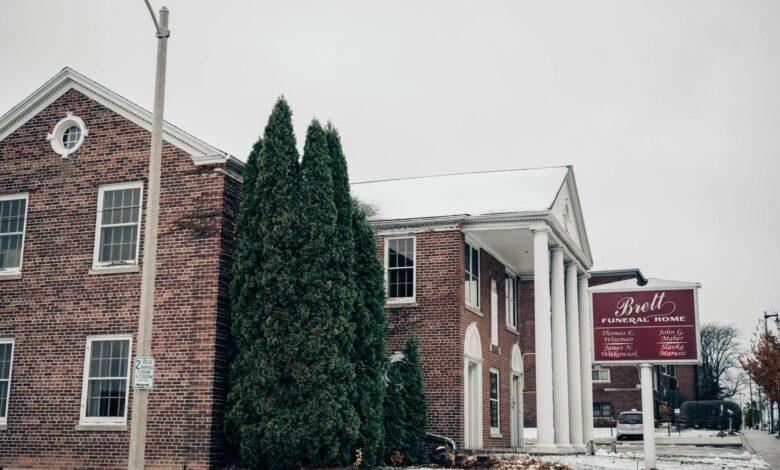
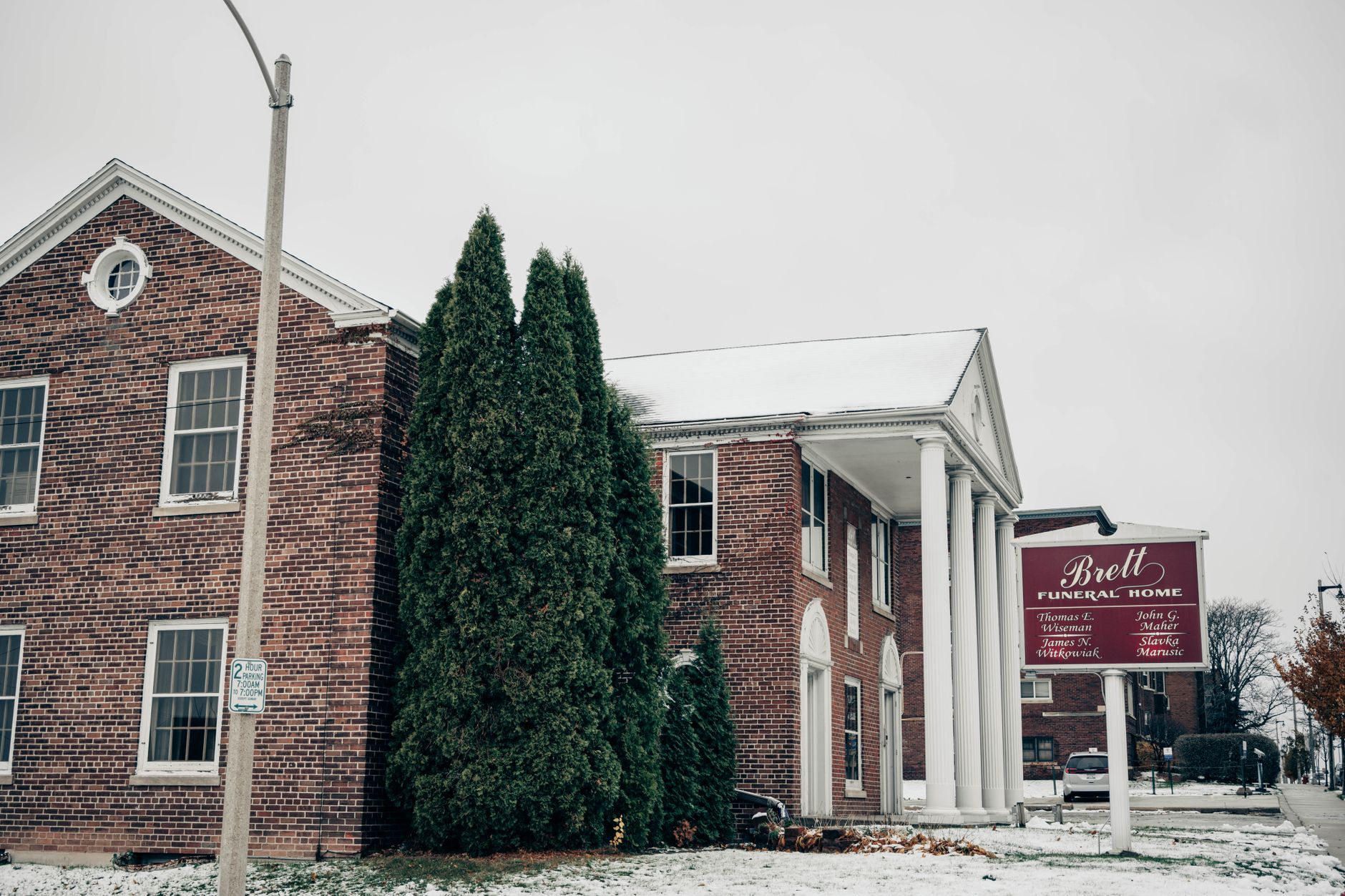
Walk into almost any funeral home in a mid-sized American city and you will likely see the same thing: family photographs on the wall, a name above the door that has been there for decades, and staff who grew up in the community. What you will not see is the private equity firm that now owns the building, the fixtures, and the business itself. Regional funeral home consolidation has been accelerating for several years, and the families selling these businesses are often bound by non-disclosure agreements that keep the transactions invisible to the public – and to grieving customers who assume they are still dealing with a local owner.
This is not a new industry dynamic, but the pace and the players have changed considerably.
The funeral services sector has long attracted corporate buyers. Service Corporation International and Lapida have spent decades rolling up independent operators into national networks. What is different now is the involvement of smaller, more aggressive private equity firms – funds that are not household names – quietly acquiring regional chains of three, five, or eight locations in secondary markets, then positioning those groups for resale to larger consolidators within five to seven years. The strategy is less about running funeral homes and more about building a sellable asset.
Why Funeral Homes Are Attractive to Private Equity
The business case is straightforward. Funeral services operate on near-inelastic demand. People die regardless of economic conditions, interest rates, or consumer confidence. That predictability – rare in most service industries – makes funeral homes exactly the kind of cash-flowing asset that private equity loves. Margins on funeral services and pre-need contracts are high by small business standards, and the customer base renews itself without any marketing spend. A well-run funeral home in a stable community can generate consistent revenue for decades with relatively low capital reinvestment requirements.
Pre-need contracts are a particular draw. When a consumer pre-purchases funeral arrangements – locking in prices years before death – that money sits in trust or insurance products, generating returns that can be tapped by an acquiring entity depending on how state regulations are structured. Some states have relatively permissive rules around how those funds are managed and what fees can be extracted from the trust. For a private equity buyer with the legal and financial infrastructure to optimize those arrangements, a portfolio of regional funeral homes is not just a services business – it is also a financial product.
Real estate is another factor. Many independent funeral homes own their buildings outright, sometimes debt-free properties in prime suburban locations that have appreciated significantly. A private equity buyer can acquire the operating business, conduct a sale-leaseback on the property, extract capital immediately, and still control the location. The funeral home keeps running. The balance sheet looks entirely different.

What Changes After the Sale
The sales pitch to sellers typically emphasizes continuity: keep your name on the door, retain your staff, maintain your community relationships. In the early months after acquisition, that is often exactly what happens. But over a three-to-five year ownership cycle, operational pressures tend to surface. Centralized purchasing replaces local supplier relationships. Staffing models get leaner. Service packages get restructured to push higher-margin options. Grief counseling programs or community outreach activities that were never profit centers get quietly discontinued.
Pricing is where families notice the difference most, even if they cannot identify why. Corporate-owned funeral homes operating under legacy family names often charge significantly more for comparable services than genuinely independent competitors. Because consumers are comparing prices while under acute emotional stress, and because they believe they are dealing with a familiar local business, price sensitivity is low. That dynamic is not accidental – it is part of the financial model.
Staff turnover is another signal. Longtime employees who knew the original owners personally, who attended local events, who sometimes absorbed costs for families in financial distress – those people often leave within a few years of a private equity acquisition. Not because they are fired, but because the culture shifts in ways that make the work feel different. What was a vocation inside a family-owned business starts to feel like a quota-driven service operation. The institutional knowledge walks out with them.
Sellers, Succession, and the Logic of Selling
It would be easy to frame independent owners who sell as villains in this story. That framing is too simple. Many are in their sixties or seventies, with no children interested in taking over. They have poured their working lives into a business that requires round-the-clock availability, emotional labor, and community commitment. When a private equity buyer arrives offering a multiple that would take two additional decades of operating to match, the calculus is not obviously wrong. The seller gets financial security. The buyer gets an asset. The community loses something it cannot easily name or quantify.
The succession problem in independent funeral services is real and structural. Operating a funeral home demands a specific kind of person – someone with both business acumen and genuine capacity for grief support work. That combination is not easy to find, and it is harder to hire when corporate chains can offer more predictable hours and retirement benefits that a small independent cannot match. Owners who might have found a natural successor a generation ago now often cannot, which makes the private equity offer feel less like a choice and more like the only viable exit.
This pattern is playing out in other professional services sectors too. Regional civil engineering firms are navigating nearly identical consolidation pressure, with ownership transitions driven by the same retirement demographics and the same absence of internal succession candidates. The funeral industry is not unique in this regard – it is simply less visible because transactions happen quietly and the customers are, by definition, not in a position to shop around.

What makes funeral home consolidation harder to track than other industries is the deliberate preservation of brand identity after acquisition. A corporate-owned law firm or accounting practice often rebrands. A corporate-owned funeral home almost never does – because the name is the asset, and changing it destroys the community trust that made the business worth buying in the first place. Families will keep walking through the door of “Johnson & Sons Funeral Home” for years after no one named Johnson has any ownership stake. The question regulators have not yet seriously engaged with is whether that constitutes a form of consumer deception, and whether state funeral board oversight – which varies dramatically in rigor – is equipped to catch it.
Frequently Asked Questions
How can I tell if a funeral home is privately owned or corporate-owned?
Ask directly who owns the business. Corporate-owned funeral homes are legally required to disclose ownership in most states, but they rarely volunteer the information.
Does private equity ownership affect funeral home pricing?
Corporate-owned funeral homes frequently charge more for comparable services than independent operators, partly because consumers are unlikely to price-compare during bereavement.