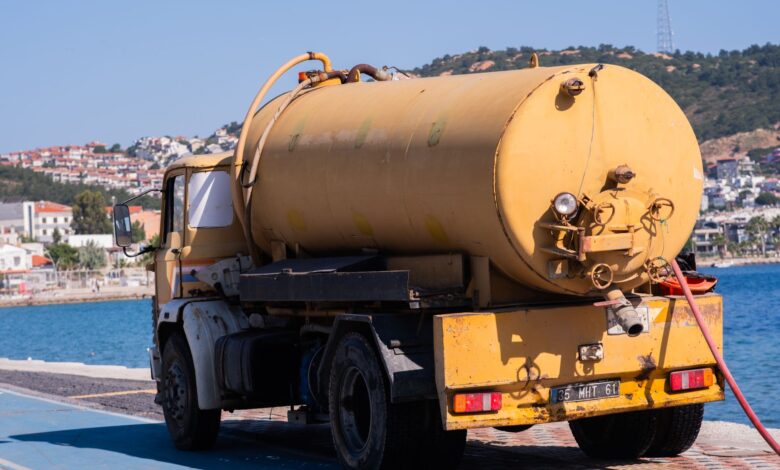
The Quiet Consolidation Happening Under Your Feet
Septic pumping and drain cleaning are not glamorous businesses. They run on phone calls, service vans, and relationships built over decades with homeowners who call the same number every few years when something goes wrong underground. These are the kinds of companies that a family starts, runs for thirty years, and then faces a very specific problem: what happens when the founder wants to retire and nobody in the family wants to inherit a fleet of pump trucks?
Roto-Rooter has an answer to that question, and regional operators across the country are taking it.
The plumbing and drain services giant – itself owned by Chemed Corporation, a publicly traded holding company – has been systematically acquiring independent septic and drain companies in secondary and tertiary markets, folding them into its national network while often keeping local branding intact for a transition period. The deals rarely generate press releases. There are no ribbon cuttings. A family-owned company in one market simply becomes a Roto-Rooter franchise or subsidiary, and most customers never notice until the uniformed technicians start driving different trucks.

Why Small Operators Are Saying Yes
The math behind these sales is straightforward. A septic and drain company servicing a mid-sized metro area might gross anywhere from a few hundred thousand to several million dollars annually, but the owner’s ability to exit on favorable terms depends entirely on finding a buyer who can operate the business, retain the staff, and service the existing customer base. Private buyers are hard to find. Family succession is unreliable. And private equity, which has been devouring service businesses across many sectors – from nephrology practices to specialty medical groups – tends to prefer businesses with more predictable recurring revenue models than septic calls, which are lumpy and seasonal.
Roto-Rooter fills that gap. The company offers operators a credible exit, a brand with national recognition, and a back-office infrastructure that eliminates the administrative burden small owners often carry themselves. Scheduling software, call center support, national account relationships, and supplier pricing power are all part of what a regional operator gains by selling. For a founder who has spent three decades personally managing every dispatch, the appeal of handing that weight to a corporation is not just financial – it is physical.
There is also a competitive pressure accelerating these decisions. Independent septic companies increasingly find themselves bidding against Roto-Rooter’s local presence for the same municipal and commercial contracts. The national brand carries weight with property managers, HOA boards, and commercial real estate operators who prefer to work with a company that has insurance, scale, and a customer service infrastructure. Staying independent gets harder as the national player captures more of the high-margin commercial work.

What Gets Lost When the Local Name Disappears
The consolidation argument looks clean on paper, but there are real trade-offs that do not show up in the acquisition price. Independent septic companies in rural and suburban markets often carry institutional knowledge about local soil conditions, municipal inspection requirements, and regional septic system designs that took decades to accumulate. That expertise lives in the technicians, not the brand. When ownership changes and longtime employees leave – which happens frequently in the eighteen months after an acquisition – that knowledge walks out with them.
Pricing is another pressure point. Independent operators in less dense markets typically set rates based on local cost structures and competitive norms. A national acquirer answers to corporate margin targets, and service prices in acquired markets tend to drift upward after the transition period ends. Homeowners who had a long-standing relationship with a local company and a predictable annual pumping bill may find the new pricing reflects a different set of priorities entirely.
Customer service quality is harder to measure but consistently appears as a complaint in markets where well-known local operators have been absorbed into larger networks. The technician who knew a property’s quirks, who remembered that the septic access was behind the garden shed, who called ahead because he knew the homeowner worked early shifts – that specificity is difficult to preserve when a call center three states away is routing the job to whoever is available on the dispatch board.
The Roto-Rooter Playbook
Chemed’s acquisition strategy for Roto-Rooter is not improvised. The company has spent years building out geographic coverage by targeting markets where it had service gaps or where a dominant local player was approaching a natural transition point. The approach is patient and methodical: identify operators with aging ownership, initiate conversations early, and position the acquisition as a retirement solution rather than a corporate takeover. Many sellers report that the initial outreach came well before they were actively considering a sale.
The company also benefits from a franchise model that blurs the line between acquisition and partnership. Some deals are structured as franchise agreements rather than outright purchases, which lowers the upfront cost to Roto-Rooter while still bringing the operator under the national umbrella for marketing, pricing, and service standards. Customers in those markets see the Roto-Rooter name on the truck but the underlying business entity may still technically be locally owned – at least on paper.
This same playbook is running in other service sectors. Regional tax preparation firms have been selling to H&R Block through a structurally similar process – patient outreach to retirement-age owners, brand conversion, and back-office consolidation – which suggests this quiet acquisition model is now a standard corporate growth strategy rather than a sector-specific phenomenon.

The operators still holding out in markets where Roto-Rooter is active are making a specific bet: that local reputation, pricing flexibility, and personal service are worth more than a corporate exit check. For now, some of them are right. But every year, a few more trucks get repainted.
Frequently Asked Questions
Why are small septic companies selling to Roto-Rooter?
Most owners face succession challenges with no family buyer or viable private sale. Roto-Rooter offers a clean exit with operational support included.
Does Roto-Rooter keep local branding after acquiring a company?
Often yes, at least temporarily. Many acquisitions retain local names during a transition period before full brand conversion to Roto-Rooter.