Orthodontic practices that have operated independently for decades are signing over ownership to corporate dental service organizations – and the pace of these deals has been accelerating well under the radar of most patients.
The Quiet Consolidation Behind Your Braces Appointment
Smile Brands, one of the largest dental support organizations in the country, has been methodically acquiring regional orthodontic practices across suburban and mid-sized markets. The model is straightforward: a private equity-backed DSO purchases the clinical operation, retains the founding orthodontist as an employee or partner for a transition period, and absorbs the practice into a centralized administrative structure. Billing, scheduling, marketing, and supply chain purchasing all migrate to corporate systems. The doctor keeps seeing patients. The ownership has moved entirely.
For orthodontists nearing retirement, the appeal is immediate. Building an independent practice takes years, and selling it to a younger associate is increasingly difficult – dental school graduates are carrying more debt and have less appetite for the capital required to buy an established practice outright. A DSO acquisition offers a clean exit with a valuation that often exceeds what a solo buyer could finance. Many sellers also receive equity stakes in the parent platform, meaning they benefit again if the larger organization is eventually sold to a bigger private equity fund.
The deal structures have grown more creative over time. Some arrangements allow the selling orthodontist to retain a minority interest in their specific location while transferring operational control. Others involve earnout provisions tied to patient volume, giving the original owner an incentive to maintain referral relationships through the transition. These structures matter because they affect how staff is treated, how quickly the culture of the original practice changes, and whether longtime patients notice any difference in their care experience. Often, they do not – at least not immediately.
This pattern mirrors what has been happening across other healthcare specialties. Regional orthopedic practices have faced similar pressure from PE-backed rollups, with independent groups finding it difficult to compete on technology investment and administrative efficiency against well-capitalized corporate platforms. Orthodontics is following the same logic: scale produces margin, and margin attracts more capital.

Why the Economics Make This Hard to Resist
Independent orthodontic practices face a specific financial squeeze that makes consolidation attractive even for owners who are not looking to sell. Orthodontic equipment – digital scanners, 3D imaging systems, clear aligner technology – has become expensive enough that upgrading a solo practice every few years requires capital that a small business owner may not have sitting in reserve. A DSO can spread those costs across dozens of locations, negotiate volume pricing with equipment manufacturers, and deploy technology faster than any single-practice owner could manage alone. The solo practitioner who resists the acquisition offer may find themselves treating patients on older systems while the newly acquired practice down the street has the latest scanner.
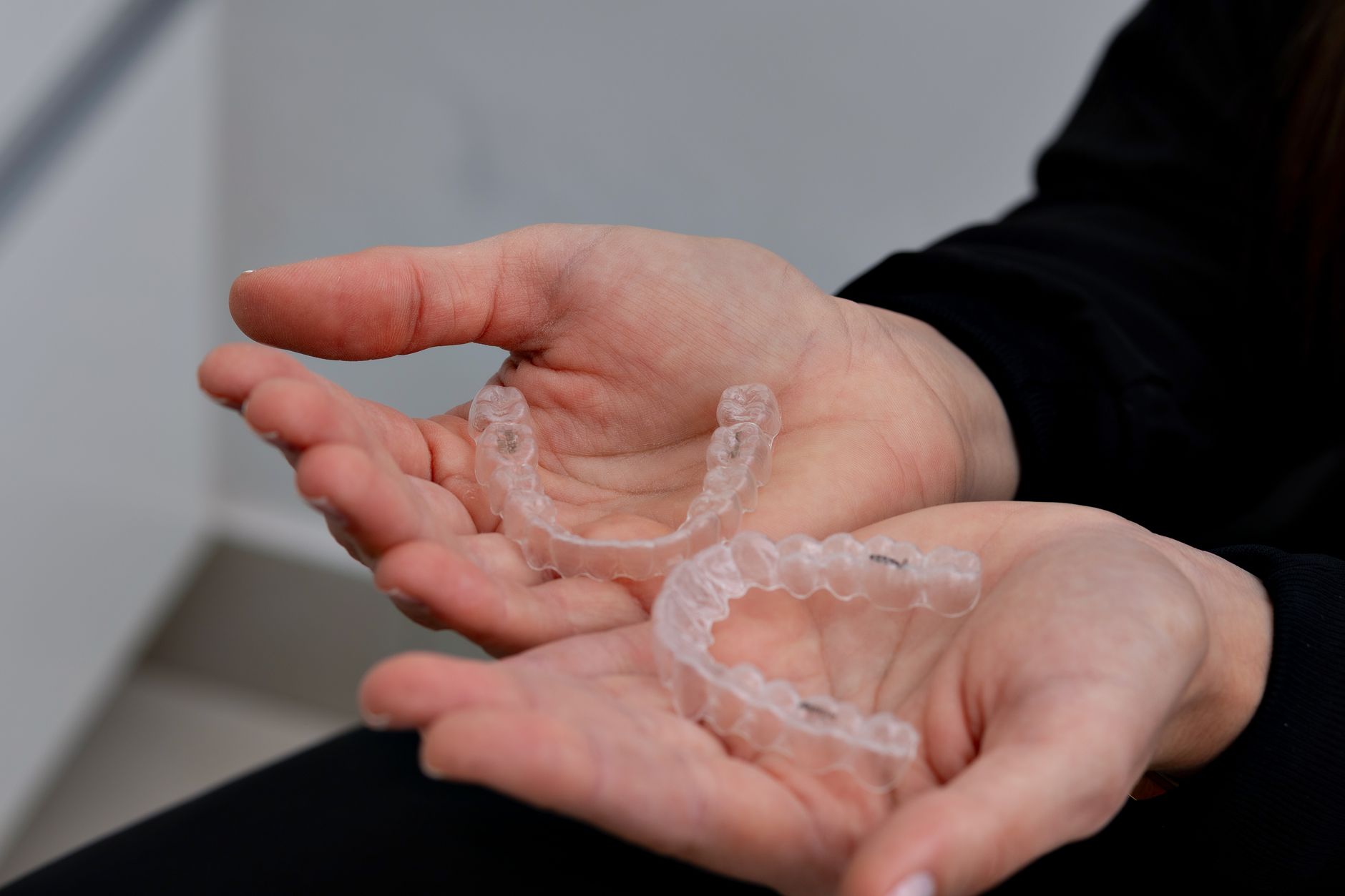
Clear aligner treatment has complicated this further. Invisalign and competing aligner brands have shifted a meaningful portion of orthodontic treatment toward a product category that carries specific licensing and volume requirements. Achieving preferred pricing on aligner cases often requires hitting patient volume thresholds that are easier for a multi-location group to clear than an independent clinic. A DSO operating thirty locations in a region will access aligner products at a cost structure unavailable to an independent operating one or two offices.
Staffing is the other pressure point. Orthodontic assistants and front-office staff have become difficult to recruit and retain in competitive labor markets. A corporate group can offer benefits packages, career ladders, and HR infrastructure that an independent practice simply cannot replicate at comparable cost. When a solo practitioner loses a key clinical assistant, the disruption is immediate and visible. A corporate group absorbs the same turnover without the same disruption because it has coverage options and a recruiting pipeline.
Patients, for their part, rarely notice the ownership change during the transaction itself. The name on the door often stays the same for months or years. The orthodontist they already know continues to see them. Treatment plans do not change mid-course. The changes that accumulate over time are subtler: appointment availability may shift, how billing inquiries are handled changes, and the in-office experience gradually aligns with corporate protocols rather than the original owner’s personal operating style.
The margin story for DSOs is also worth understanding directly. Orthodontic treatment has higher average case values than general dentistry, longer treatment cycles, and relatively predictable payment structures through financing programs. That combination produces revenue that is easier to forecast than emergency dental work, which makes orthodontic practices attractive from a financial modeling perspective. A portfolio of orthodontic locations generates the kind of recurring, contracted revenue that private equity buyers value when they eventually look to sell the DSO to an even larger platform.
What Stays, What Changes, and What Patients Should Watch
The practical question for patients is whether the quality of their treatment changes after an acquisition. Clinical care is generally protected by the fact that the licensed orthodontist remains responsible for treatment decisions – state dental boards regulate who can move teeth, not who owns the business. Where patients do notice change is in the administrative experience: financing terms, cancellation policies, how payment disputes are resolved, and whether the practice feels like a local business or a managed service. Some corporate groups invest in maintaining the patient experience at a high level. Others optimize for throughput, which can make appointments feel rushed in ways that were not present under independent ownership.
The orthodontists choosing to sell are not making irrational decisions. They are responding to a market that has made independent ownership progressively harder to sustain against well-funded competition. The harder question is whether the long-term outcome for patients – particularly those in smaller markets where one or two practices now owned by the same parent company serve the entire area – is more choice and better technology, or less accountability and fewer alternatives when something goes wrong.