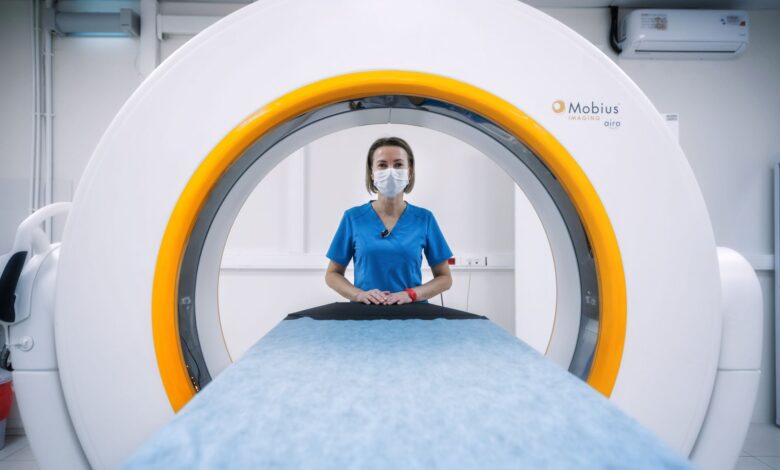
The Quiet Consolidation of American Radiology
Across the country, radiology practices that have operated independently for decades are signing acquisition agreements with RadNet, the publicly traded imaging network that has spent years building one of the largest outpatient radiology footprints in the United States. The deals are rarely announced with fanfare. A regional group in the Southeast or Midwest will stop accepting new referrals under its old name, and within a quarter, its imaging centers are operating under the RadNet umbrella. Physicians who built their practices from a single MRI suite to a multi-site operation are cashing out, and the pace of these transactions is accelerating.
RadNet’s strategy is not accidental. The company has long positioned outpatient imaging as a volume business where scale produces margin, and independent regional groups – often pressed by rising equipment costs, staffing shortages, and hospital system competition – are increasingly willing sellers. What is happening in radiology mirrors a broader pattern playing out across specialty medicine, where regional oral surgery practices are selling to PE rollups and other specialty groups are folding into national platforms. The difference with RadNet is that the acquirer is a publicly traded operator, not a private equity fund, which changes the deal structure and the long-term trajectory for physicians who stay on as employees.
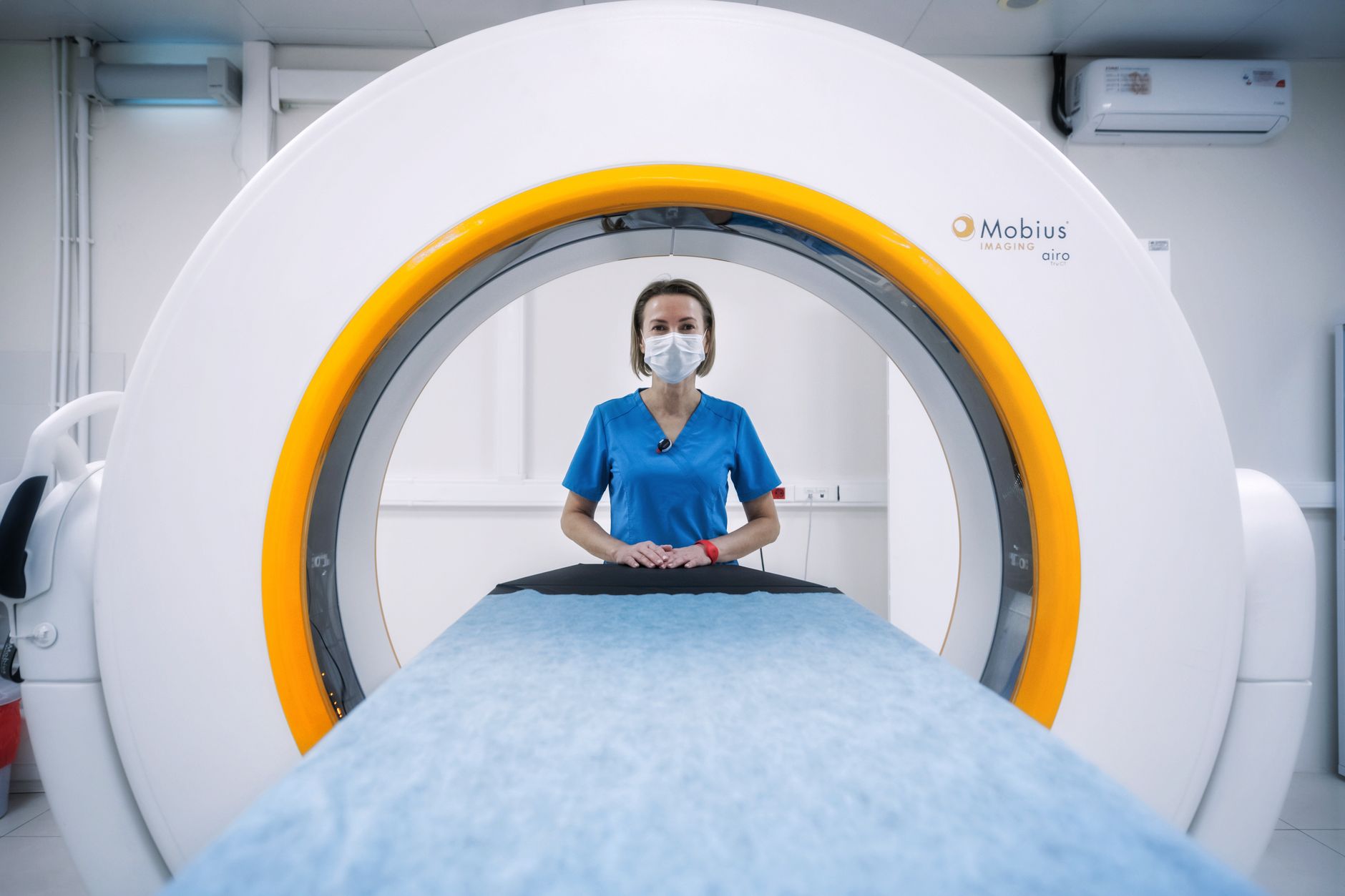
Why Independent Groups Are Selling Now
Running an independent radiology practice in 2024 is a fundamentally different economic exercise than it was fifteen years ago. The capital required to stay competitive – AI-assisted diagnostic software, updated 3T MRI systems, digital mammography platforms – has outpaced what most regional groups can absorb without taking on serious debt. Hospital systems have spent years either acquiring imaging centers outright or building their own, pulling referring physicians into closed networks that route patients away from independent outpatient sites. The margin squeeze is real, and for many physician-owners, selling represents a rational exit rather than a retreat.
RadNet’s pitch to these groups is straightforward: keep practicing radiology, stop running a business. The company absorbs the administrative overhead, handles payer contract negotiations, manages equipment financing, and provides access to its AI development pipeline – which RadNet has invested in heavily through its DeepHealth subsidiary. For radiologists who entered the field to read studies, not to negotiate with insurance companies over reimbursement rates, that offer carries genuine appeal. The clinical work stays. The operational headache does not.

How the Deals Are Structured
RadNet typically acquires the hard assets of an imaging center – the equipment, the real estate leases, the existing contracts – while offering the selling physicians an employment arrangement with a defined compensation structure. In some cases, particularly for larger regional groups with multiple sites, the transaction involves an upfront cash payment plus a performance-based earnout tied to volume and revenue targets over a two- to three-year window. Physicians who want a clean break can often negotiate one. Those who want continued upside in the platform’s growth can structure earnouts accordingly.
The financing for these acquisitions comes from RadNet’s combination of debt facilities and operating cash flow. Because the company is publicly traded, it faces pressure to demonstrate that each acquisition is accretive to earnings within a measurable timeframe. That pressure shapes how aggressively it pursues integration – centralizing billing, standardizing protocols, consolidating back-office functions quickly. For staff at acquired practices, that integration period is often where friction surfaces. Scheduling systems change, job titles shift, and the culture of a ten-person regional group does not always survive contact with a national operator’s standardized processes.
Payer negotiations are where RadNet’s scale becomes most tangible. An independent group with four imaging centers has limited leverage when a major insurer threatens to narrow its network. RadNet, operating hundreds of sites across multiple states, negotiates from a fundamentally different position. Reimbursement rates that independent groups could never secure become accessible under the RadNet contract portfolio, which is part of why the company can credibly claim that acquisition improves the economics of the sites it buys, not just its own balance sheet.
There is a ceiling to that argument, however. Radiology reimbursement from Medicare has faced persistent cuts over the past decade, and no amount of payer leverage fully offsets federal fee schedule reductions. RadNet’s growth model depends on volume – more scans, more sites, more markets – to compensate for per-study reimbursement that has not kept pace with inflation. Acquiring regional groups is, in part, a volume play: buy the existing patient base, retain the referring physician relationships, and run the sites more efficiently than the prior owners could.
What Radiologists Give Up
Physician autonomy is the clearest casualty of these transactions. An owner-operator who once decided which scanner to purchase, which subspecialties to develop, and which payers to participate with becomes, post-acquisition, an employee operating within a corporate framework. Protocol decisions that once took an afternoon now require approval through a regional management structure. Some radiologists describe the transition as liberating – no more board meetings, no more HR disputes, no more equipment financing negotiations. Others find the loss of control harder to absorb than they anticipated.
Non-compete clauses are standard in these deals, and they are not toothless. Radiologists who sell their practices and then decide RadNet’s employment model does not suit them cannot simply open a competing imaging center across the street. Geographic restrictions and time limits vary by state and by negotiation, but the practical effect is that selling is, for most radiologists, a one-way door. The decision to accept an acquisition offer is worth treating as permanent, because reversing it is expensive and legally complex.
The Market RadNet Is Building
RadNet’s acquisition activity is concentrated in markets where outpatient imaging volume is high and independent group density remains relatively strong – suburban corridors in the South, the Mid-Atlantic, and parts of the Midwest where hospital consolidation has not yet absorbed every independent operator. The company is not buying practices in markets it does not already understand. It enters a geography through an initial acquisition, builds referring physician relationships, and then pursues adjacent acquisitions to cluster its sites in a way that creates operational and logistical efficiencies.
The AI component of RadNet’s strategy deserves more attention than it typically receives in discussions of the company’s acquisition activity. DeepHealth, its artificial intelligence subsidiary, is developing tools for automated screening reads – particularly in mammography, where AI-assisted detection has regulatory approval and commercial traction. Every acquired imaging center becomes, in part, a data source and a deployment site for those tools. The more sites RadNet operates, the more data its AI systems can train on, and the more valuable those tools become. Acquisitions, in this framing, are not just about adding scan volume – they are about building a proprietary data infrastructure that independent groups cannot replicate on their own.
For the regional groups still weighing whether to sell, that technological angle is worth considering carefully. The gap between what a twenty-site regional group can invest in AI-assisted diagnostics and what a national platform with a dedicated AI subsidiary can deploy is widening, not narrowing. Every quarter a group delays a decision is another quarter in which the technological and scale advantages of the acquirer compound. That does not make selling the right answer for every practice – but it does change the calculus of waiting.