Most patent expirations arrive quietly. Semaglutide, the molecule inside Ozempic, Wegovy and the pill Rybelsus, is arriving loudly and unevenly. Protection ends in different countries on different dates, so the first real test of a generic version will play out far from American pharmacies. For Novo Nordisk, the coming stretch is less a single cliff than a staircase with some steps missing.
Patents are national documents, and a drug can be protected in one country and wide open in another. Reports have pointed to 2026 as the year protection ends in several large markets, including Canada, India, China and Brazil. The core US protection is generally understood to run into the early 2030s. Generic manufacturers have had years to prepare for that window, and several have reportedly been building production capacity and lining up regulatory filings ahead of it.
A Cliff With Uneven Edges
Canada offers the cleanest illustration of how fragile exclusivity can be. Novo reportedly let its Canadian patent lapse after a maintenance fee went unpaid, an administrative slip that opened the market to competition sooner than the company had planned. It is a reminder that a multibillion-dollar franchise can depend on paperwork as much as on chemistry. Generic makers noticed, and Canadian regulators have been fielding the kind of applications that normally trickle in over many years.
India matters for a different reason. The country has a deep base of generic manufacturers that already supply medicines to dozens of nations, and its domestic market is built around low prices. A cheaper semaglutide there could reach patients who were never going to pay for a branded pen. It also creates a production base that can export to any market where patents have run out, which turns a national expiry into a regional supply story.
Why Copying Semaglutide Is Harder Than It Looks
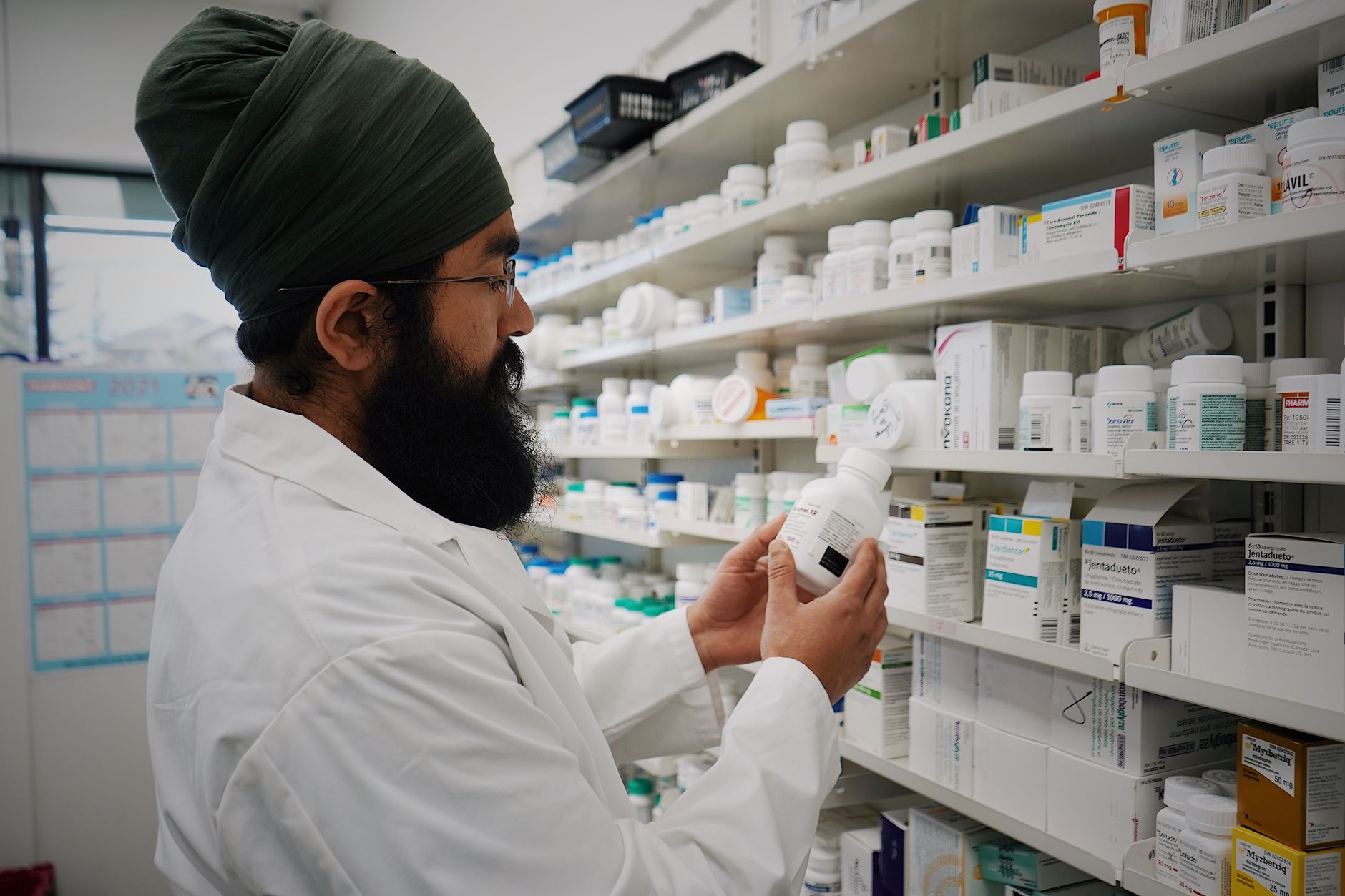
A generic aspirin is a simple molecule that any competent plant can reproduce. Semaglutide is a peptide, a longer and more delicate chain of amino acids with a modified structure that helps it stay active in the body for a week. Reproducing it means controlling synthesis steps where small impurities can change how the drug behaves. That is why the race is not open to every manufacturer with a license to sell copies.
The pen matters too.
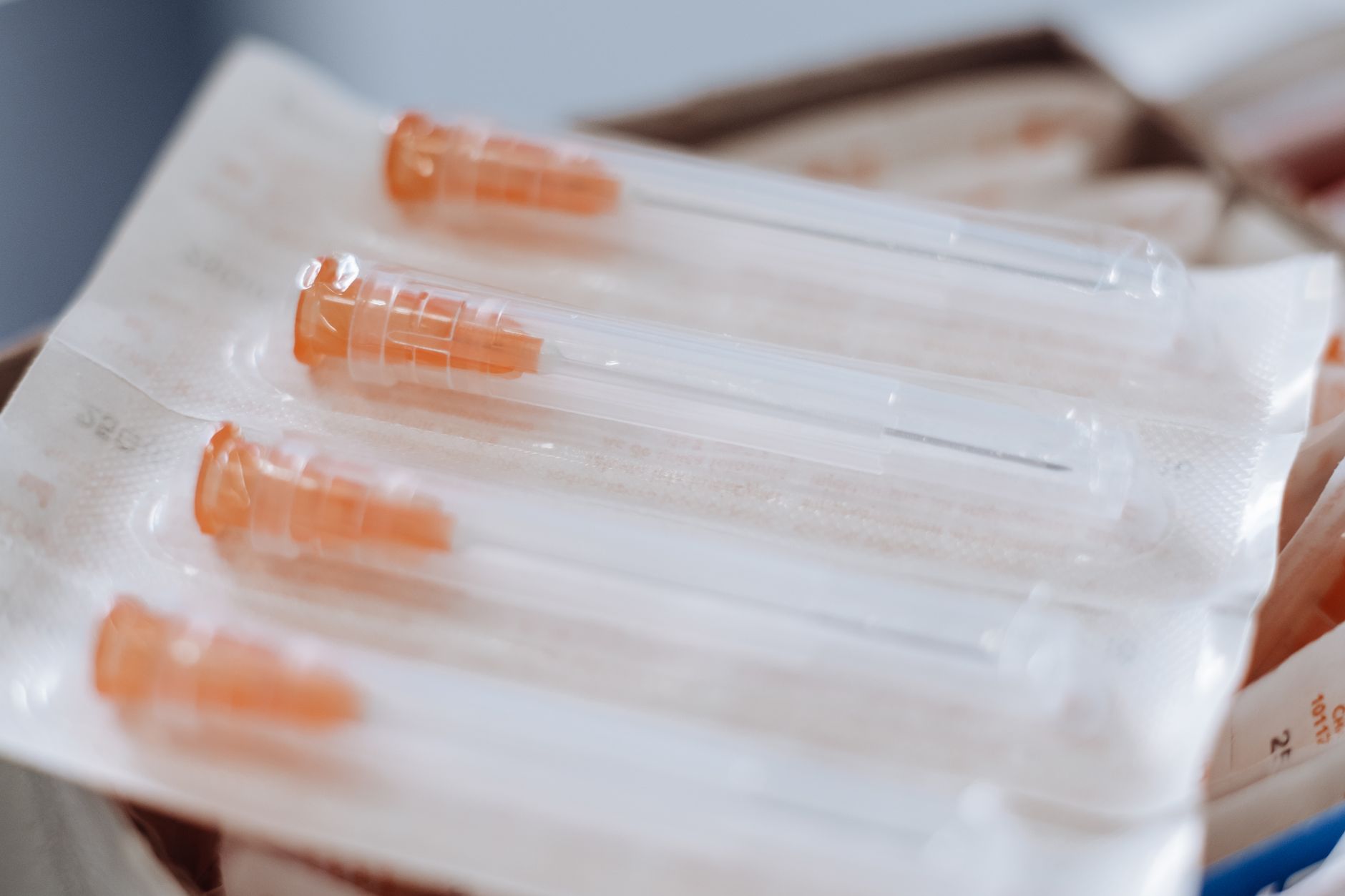
Patients are not buying a vial and a syringe. They are buying a device that delivers a precise dose on a schedule, and a generic version has to match that experience closely enough to win over prescribers and pharmacists. Designing and manufacturing a reliable injector at scale is its own engineering project, and a flawed pen can sink an otherwise sound drug. Companies that already make insulin pens and other injectables start with a real advantage here, because they have solved some of these problems before.

Regulators add another layer. Each country decides how much evidence a copy must provide to show it behaves like the original, and those standards are not identical. A manufacturer might clear a hurdle in one market and face requests for more data in the next. The firms that move fastest are likely to be the ones that built their quality systems early, not the ones that promise the lowest price, since a rejected batch or a delayed approval erases the savings quickly.
Price Pressure Meets Supply Reality
Everyone expects prices to fall once competition arrives, but the shape of that decline is harder to predict. Demand for GLP-1 drugs has outrun supply for years, which means early generic entrants may find buyers even at prices well above the cost of making the drug. Health systems that have restricted coverage because of cost may loosen those limits if a cheaper option appears. In that scenario, lower prices expand the market rather than simply shrinking revenue per patient.
Novo has options, and it is likely to use most of them. It can cut prices in contested markets before generics arrive, push newer formulations, and defend remaining patents on devices and dosing. It can also lean on the brand recognition Ozempic has built, which no generic launches with. Still, brand loyalty tends to weaken when a payer is the one choosing, and in many countries the payer is a government with a budget to protect.
The American Question
The United States is where the money is, and it is the market least affected by the 2026 expirations. Patent protection there extends years beyond, so a legal generic pen from a major manufacturer is not a near-term prospect. Yet the American market has already been pulled into the competition through other routes. Compounding pharmacies spent a stretch selling copies during shortages, and the legal fight over whether that is allowed has not fully settled.
Cheaper versions abroad also raise a practical question for American patients and policymakers. Importation of low-cost drugs is legally restricted and logistically messy, but the price gap between a US prescription and a generic sold overseas will be hard to ignore. Pressure is also building through Medicare, where the cost of covering weight-loss and diabetes drugs at scale has become a budget concern. Lower prices abroad give lawmakers and insurers a visible benchmark to point to in negotiations.
The longer the US wait lasts, the less the eventual generic matters. By the early 2030s, the market is likely to be shaped by rival drugs like Eli Lilly’s tirzepatide products, by oral options, and by therapies dosed less often than weekly. A generic Ozempic pen arriving in that market will be competing against newer medicines as much as against its own brand, and the patients it was meant to reach may already have moved on.