
The Quiet Sale of the Neighborhood Oral Surgeon
Walk into most oral surgery practices today and nothing looks different. The same waiting room chairs, the same staff at the front desk, the same surgeon who pulled your wisdom teeth in 2019. What has changed, in many cases, is who owns the building – and who is collecting the revenue. Private equity-backed dental support organizations, often called DSOs, have spent the last several years quietly acquiring regional oral surgery groups, rolling them into larger networks, and applying the same consolidation playbook that has already reshaped primary care, dermatology, and gastroenterology.
This is not a sudden wave. It has been building methodically, deal by deal, often announced in a single press release buried in trade publications that most patients never read. The oral surgery market was, for a long time, considered too fragmented and too procedurally specialized to attract serious PE attention. That calculation has changed, and the pace of acquisition is now noticeable enough that oral and maxillofacial surgeons are openly discussing it at conferences and in professional listservs.
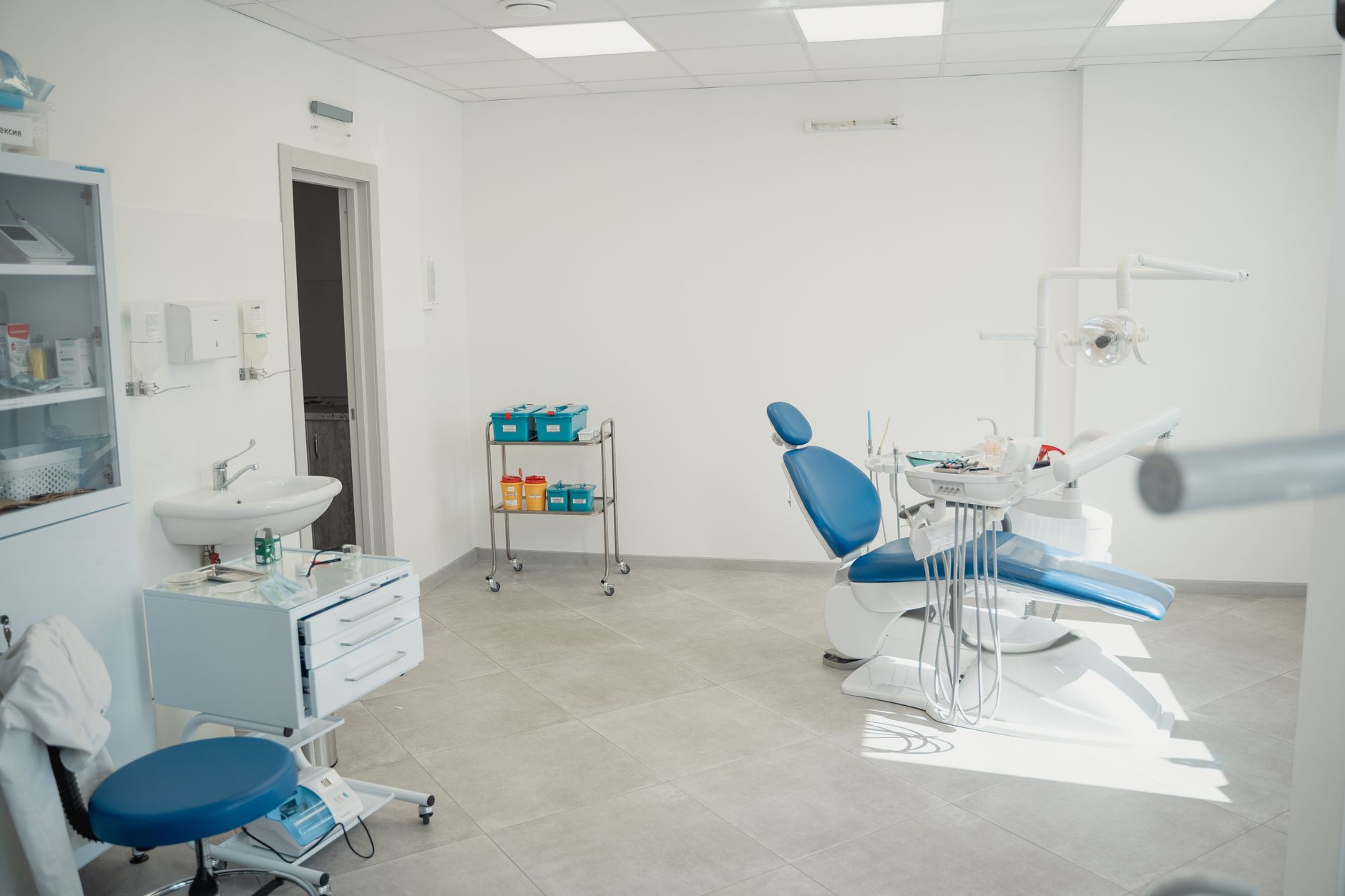
Why Oral Surgery Became Attractive
Oral surgery has a financial profile that PE acquirers find hard to ignore. The specialty is built around high-margin, often cash-pay procedures – wisdom tooth extractions, implant placements, bone grafts, corrective jaw surgeries – that generate strong per-visit revenue compared to most outpatient medical settings. Patients typically pay a significant portion out of pocket, which means the practice is less exposed to insurance reimbursement pressure than, say, a primary care group dependent on Medicaid rates. That insulation from payer risk makes the revenue stream more predictable, which is exactly what acquisition models need to underwrite leverage.
There is also a supply constraint working in buyers’ favor. Oral and maxillofacial surgery is one of the longest training tracks in dentistry, requiring a four-to-six year residency after dental school. The number of practicing oral surgeons is not growing fast enough to meet demand driven by an aging population that needs implants and extractions at higher rates. That supply-demand gap gives existing practices pricing power, and it gives acquirers confidence that revenue will hold after the deal closes. A practice with a two-week waitlist is not going to lose patients simply because ownership changed.
How the Rollup Model Works in Practice
The basic structure of a PE oral surgery rollup follows a pattern familiar from other specialty acquisitions. A private equity firm either acquires an existing DSO platform or creates one from scratch, then uses that platform to buy individual practices in quick succession. Each acquisition adds revenue to the consolidated entity, which is valued at a multiple of earnings. Because larger organizations typically command higher valuation multiples than individual practices, the act of aggregating small practices into one portfolio creates value on paper even before any operational changes are made. This spread between the multiple paid for small practices and the multiple eventually commanded by the combined platform is called multiple arbitrage, and it is the core engine of the rollup strategy.
For the selling surgeon, the appeal is real. Oral surgery practices are hard to sell on the open market. The traditional path – finding a younger associate who wants to buy in – has become harder as new graduates carry more debt and are warier of taking on ownership risk. PE platforms offer clean exits, often at multiples that individual buyers cannot match, and they frequently offer the selling surgeon an equity stake in the combined platform, which creates a second payday if the platform is eventually sold or taken public.
The operational changes that follow a sale vary by platform, but certain patterns repeat. Billing and collections are centralized. Supply purchasing is consolidated to extract volume discounts. Support staff may be standardized. Scheduling software is often replaced with a proprietary system. The surgeon typically retains clinical autonomy on paper, though the framing of what procedures to prioritize can shift when revenue-per-chair metrics become visible to a management team that was not part of the original practice culture.
This is the dynamic that worries professional associations most. The American Association of Oral and Maxillofacial Surgeons has addressed PE consolidation in its publications, and the concern is not hypothetical. The same pattern has played out in other specialties – regional wound care centers experienced similar consolidation pressure, with comparable questions about whether clinical decisions remained insulated from financial targets once ownership changed.

Geography and Market Selection
PE platforms are not acquiring randomly. The acquisition targets tend to cluster around specific market characteristics: suburban and exurban areas with strong insurance demographics, regions where the oral surgery market is fragmented enough that a single platform can reach meaningful local market share, and states where the regulatory environment around corporate practice of dentistry is relatively permissive. Corporate practice of dentistry laws, which restrict non-dentist ownership of dental practices in some states, vary significantly and directly shape where rollup activity concentrates.
Some of the most active acquisition markets in recent years have been in the Sun Belt and the Midwest, where practice values were historically lower, competition among buyers was limited, and the demographic growth trends support long-term patient volume. Coastal markets with higher practice valuations and more aggressive state regulations have seen slower PE penetration, though that gap is narrowing as platforms exhaust the easier targets.
What Surgeons Are Weighing
For oral surgeons approaching retirement age – and the specialty, like much of medicine, skews older – the PE offer lands at a moment of real personal calculation. Building a succession plan internally takes years and carries no guarantee. Selling to a PE platform is faster, more certain, and often more lucrative in the short term. The trade-off is a loss of control that some surgeons accept willingly and others find difficult only after the deal has closed and the quarterly reporting has begun.
Younger oral surgeons entering the market now face a different version of the same equation. In markets where a PE platform has already acquired multiple practices, the independent practice opportunity may no longer exist at a price a new graduate can finance. The choice may narrow to employment by the platform, partnership in the platform at terms the platform sets, or relocation to a market not yet consolidated. That is a structural shift in career options that will take years to fully register in residency programs and professional mentorship conversations.

The platforms themselves are under their own pressures. PE funds operate on fixed timelines, typically five to seven years, after which they need to exit. That means the oral surgery groups being acquired today are expected to be sold again – to a larger PE fund, to a strategic acquirer, or through a public offering – within a defined window. Each successive sale tends to layer more financial obligations onto the platform, which eventually has to be serviced by the revenue coming from patient care. The arithmetic of that cycle is what makes healthcare consolidation a long-running and unresolved argument, not just in oral surgery but across every specialty that has run the same experiment before it.