The Quiet Consolidation Reshaping Dialysis Supply Chains
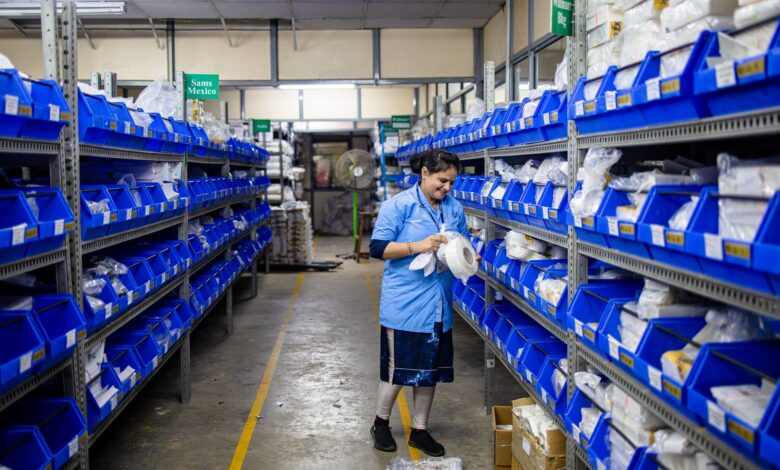
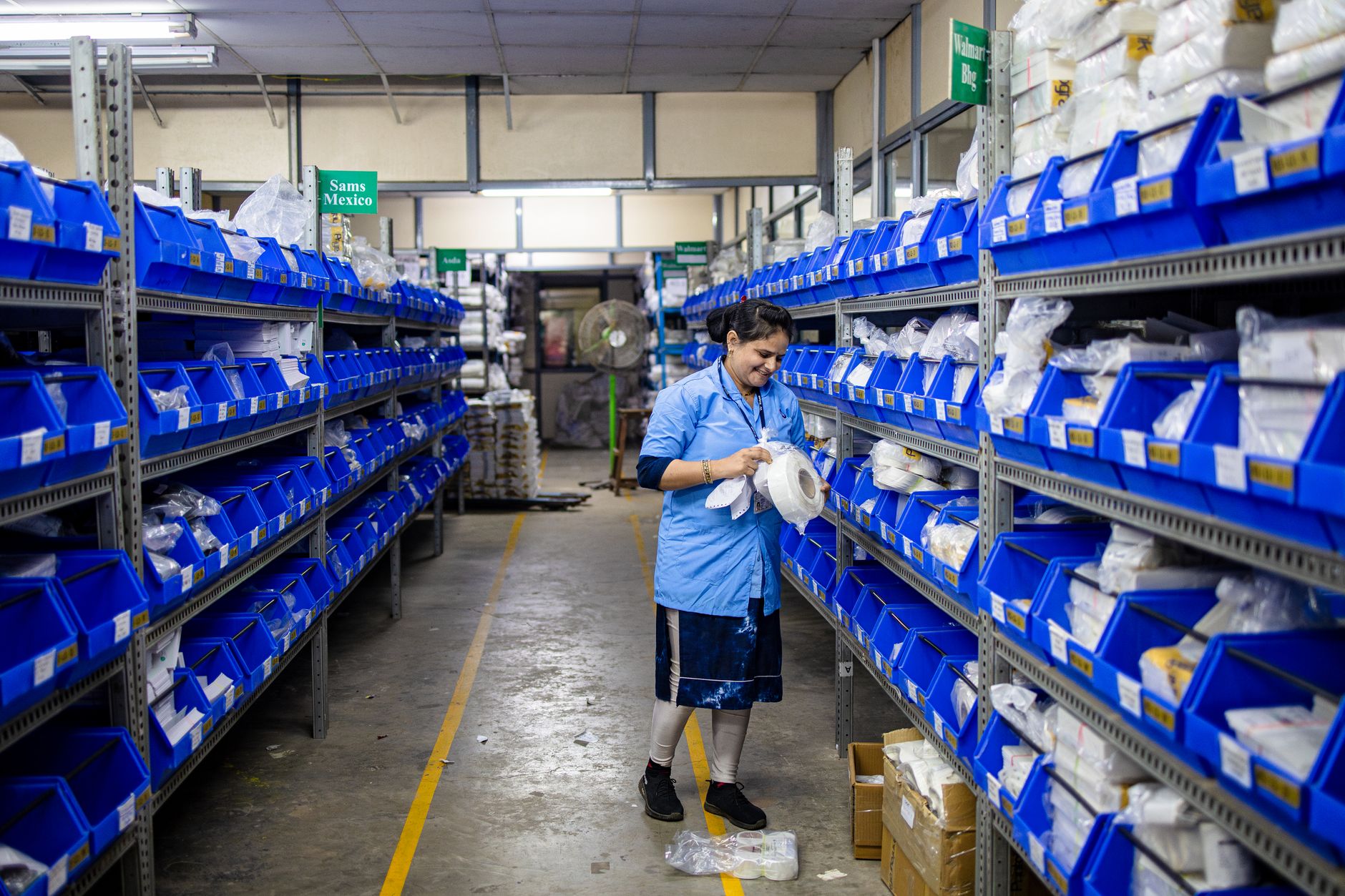
Fresenius Medical Care, the German healthcare giant that already controls a significant share of the global dialysis market, is expanding its reach through a less visible strategy: acquiring regional dialysis equipment suppliers that most patients and hospital administrators have never heard of. These are the mid-size distributors, maintenance contractors, and specialty manufacturers that keep dialysis centers stocked with filters, tubing sets, concentrate solutions, and the mechanical support systems that machines depend on daily. They operate below the radar of major industry coverage, and that invisibility is precisely what makes them attractive acquisition targets.
The pattern is not random. Fresenius has long operated as a vertically integrated company – owning both dialysis clinics and the products those clinics use. Adding regional suppliers tightens that integration further, giving the company direct control over supply relationships that previously ran through independent hands. For the suppliers themselves, the decision to sell is rarely simple. Many are family-owned businesses built over decades, and the choice to exit often comes down to succession challenges, rising regulatory costs, and the difficulty of competing when your largest customer is also your largest competitor in another part of the value chain.
Why Regional Suppliers Are Selling Now
The economics facing small and mid-size dialysis equipment suppliers have shifted considerably over the past several years. Procurement consolidation among hospital networks and dialysis clinic operators has squeezed the number of viable buying relationships a regional supplier can count on. When a clinic chain standardizes on one vendor’s product line, the ripple effect cuts off multiple smaller distributors simultaneously. Regional suppliers that once served a healthy roster of independent dialysis centers have watched that customer base shrink as clinic consolidation accelerated.
Regulatory compliance costs have added another layer of pressure. Equipment suppliers operating in the dialysis space face FDA oversight, sterilization validation requirements, and increasingly strict quality system standards. For a company running on thin margins with a small compliance team, keeping pace with those requirements is expensive. Selling to a larger organization that absorbs those costs – and brings legal and regulatory infrastructure the seller could never afford independently – removes a burden that was becoming harder to carry each year.

How Fresenius Structures These Deals
Fresenius typically approaches regional acquisitions through its product division, Fresenius Medical Care’s Products segment, rather than through its clinic operations arm. This structural separation matters because it frames the acquisition as a supply chain investment rather than a clinic expansion, which can reduce scrutiny from competition regulators at the state level. The acquired company often retains its name and local management for an initial period, which preserves existing customer relationships and avoids disrupting supply continuity during the transition.
Purchase prices for regional dialysis suppliers are rarely disclosed publicly. These deals fall below the reporting thresholds that require SEC filings, and neither party typically issues a press release. A dialysis equipment distributor doing between $10 million and $50 million in annual revenue can change hands without drawing any meaningful media attention. That silence is not accidental – it reflects a deliberate preference by acquirers like Fresenius to avoid drawing regulatory or competitive attention to the accumulating scope of their supply chain control.
Earnout structures are common in these transactions. The original owner may receive a base payment at closing, then additional compensation tied to revenue or customer retention targets over two to three years. This keeps the founder engaged during the handover and reduces the risk that key customer relationships walk out the door the day the deal closes. For Fresenius, it also defers a portion of the acquisition cost until the business has proven it can perform under new ownership.
What Fresenius gains from these deals extends beyond the equipment and contracts. Regional suppliers carry institutional knowledge about local hospital purchasing cycles, equipment maintenance histories for specific clinic locations, and relationships with biomedical technicians who are hard to replace. That ground-level operational intelligence is difficult to replicate by simply entering a new market cold. Buying a company that already holds it is faster and, in many cases, cheaper than building the capability organically.
The Competitive Implications
As Fresenius absorbs more regional suppliers, independent dialysis centers face a narrowing field of equipment vendors who are genuinely independent of their largest clinical competitor. A center that competes with Fresenius-owned clinics for patients may find itself increasingly dependent on Fresenius-owned suppliers for consumables and equipment service. That dependency creates a structural tension that purchasing managers at independent centers are beginning to flag internally, even if they have not yet found a straightforward way to address it.
Baxter International and Nipro Corporation remain significant players in dialysis equipment supply and offer independent centers an alternative sourcing path. But Baxter’s own strategic priorities have shifted toward its separation of its kidney care division, and smaller regional competitors cannot match the breadth of product lines that a fully integrated supplier can offer. The consolidation dynamic mirrors what has happened in regional medical billing, where independent operators found themselves with fewer viable alternatives as the acquiring company’s footprint expanded.
What Comes Next for the Remaining Independents
Regional suppliers that have not yet sold are watching the landscape with a mix of caution and opportunism. Some are actively resisting acquisition approaches, betting that their independence becomes more valuable as options narrow for clinic operators who want to avoid single-source dependency on Fresenius. A supplier that can credibly serve as a non-Fresenius alternative may find its negotiating position with independent clinic networks improves precisely because there are fewer such alternatives left.
Others are preparing for sale and treating the current acquisition activity as a timing signal. If Fresenius is buying now, waiting another three to five years might mean selling into a market where the buyer has satisfied its appetite and valuations have softened accordingly. The suppliers most likely to command strong prices in the near term are those with exclusive distribution agreements in place, proprietary service contracts covering multiple clinic locations, or specialized technical capabilities – water treatment system maintenance, for example – that Fresenius has not yet replicated through earlier acquisitions.
The remaining independents face a narrowing window. Fresenius does not need to acquire every regional supplier to achieve its supply chain goals – it needs enough of them to establish pricing power and reduce the leverage that independent distributors currently hold. Once that threshold is crossed, the calculus for holdouts changes entirely. The question for suppliers still on the fence is whether they are negotiating from a position of strength or simply holding out past the point where the best offers have already been made.
Frequently Asked Questions
Why are regional dialysis equipment suppliers selling to Fresenius?
Rising compliance costs, shrinking customer bases due to clinic consolidation, and succession challenges are pushing many family-owned suppliers toward acquisition.
How does Fresenius structure these acquisitions?
Most deals use a combination of base payments and earnout provisions, often keeping the original owner in place temporarily to protect customer relationships during transition.
Does Fresenius acquiring suppliers create a conflict of interest for independent dialysis centers?
Yes – independent centers that compete with Fresenius clinics for patients may find themselves relying on Fresenius-controlled suppliers for essential equipment and consumables.