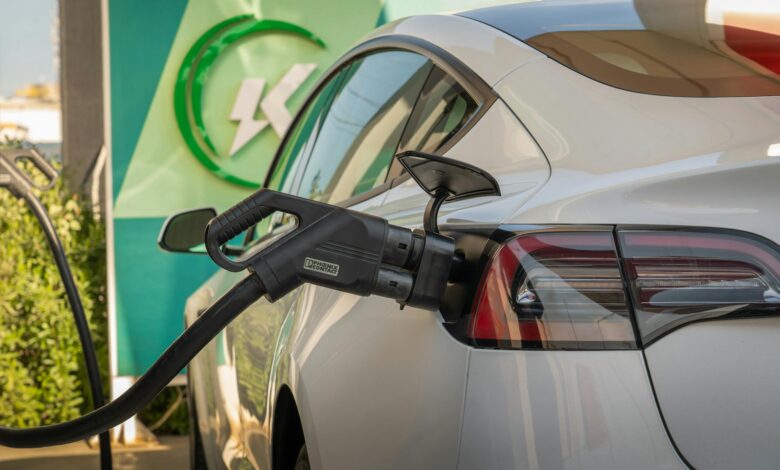
Fuel Distributors Move Into EV Charging Ruins
When EV charging networks collapse, they do not disappear quietly. They leave behind physical assets – chargers, land leases, utility interconnections, permitting approvals – that took years and millions of dollars to build. Wholesale fuel distributors, companies that have spent decades managing fuel supply chains across truck stops, convenience stores, and fleet depots, are increasingly stepping in to absorb those assets at distressed prices. The pattern is accelerating as a wave of charging network operators, many of them venture-backed and cash-dependent, run out of runway before reaching profitability.
The acquisitions rarely make national headlines. A fuel distributor picks up the assets of a failed regional charging operator through a bankruptcy auction. A convenience store fuel supplier takes on a portfolio of idle DC fast chargers at locations it already services. The deal closes quietly, the signage changes, and the chargers either get reactivated under new ownership or sit dormant while the acquirer works out an operating model. Either way, traditional fuel infrastructure companies are accumulating EV charging real estate while the original builders walk away with nothing.
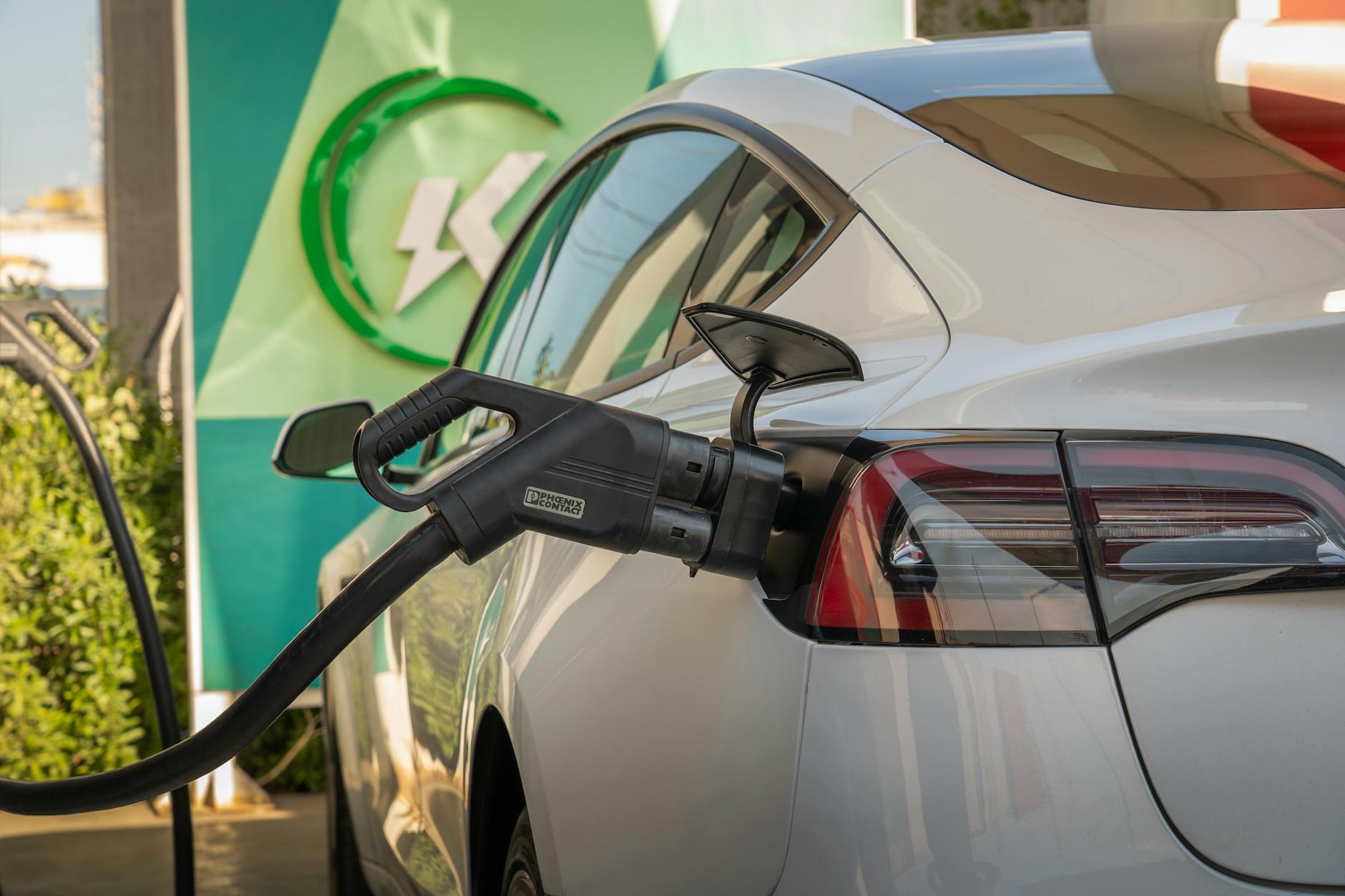
Why Charging Networks Keep Failing
The business model for standalone EV charging networks was always fragile. Revenue depends on charging volume, and charging volume depends on EV adoption rates that have grown more slowly than early projections assumed. Meanwhile, the costs – hardware, software, grid interconnection fees, maintenance, and real estate – do not flex with demand. Networks that built aggressively in 2021 and 2022, when capital was cheap and EV optimism was running high, locked in fixed cost structures they cannot now service on current utilization rates.
Federal incentive programs, including grants under the National Electric Vehicle Infrastructure program, helped fund construction but were not designed to cover ongoing operations. A charger that gets built with public money still needs private revenue to stay maintained and online. When that revenue falls short, the operator either raises a new round of capital or files for bankruptcy protection. A growing number are choosing the latter, and the assets end up in court-supervised sale processes where distressed pricing makes them attractive to buyers with longer time horizons and existing site relationships.
The reliability problem compounds the financial one. Poorly maintained chargers drive away repeat users, which depresses revenue further, which reduces maintenance budgets. Several failed networks left behind chargers with uptime rates well below what drivers consider acceptable. Acquirers taking on these assets are not just buying hardware – they are also buying reputational damage that will take time and operating discipline to reverse.
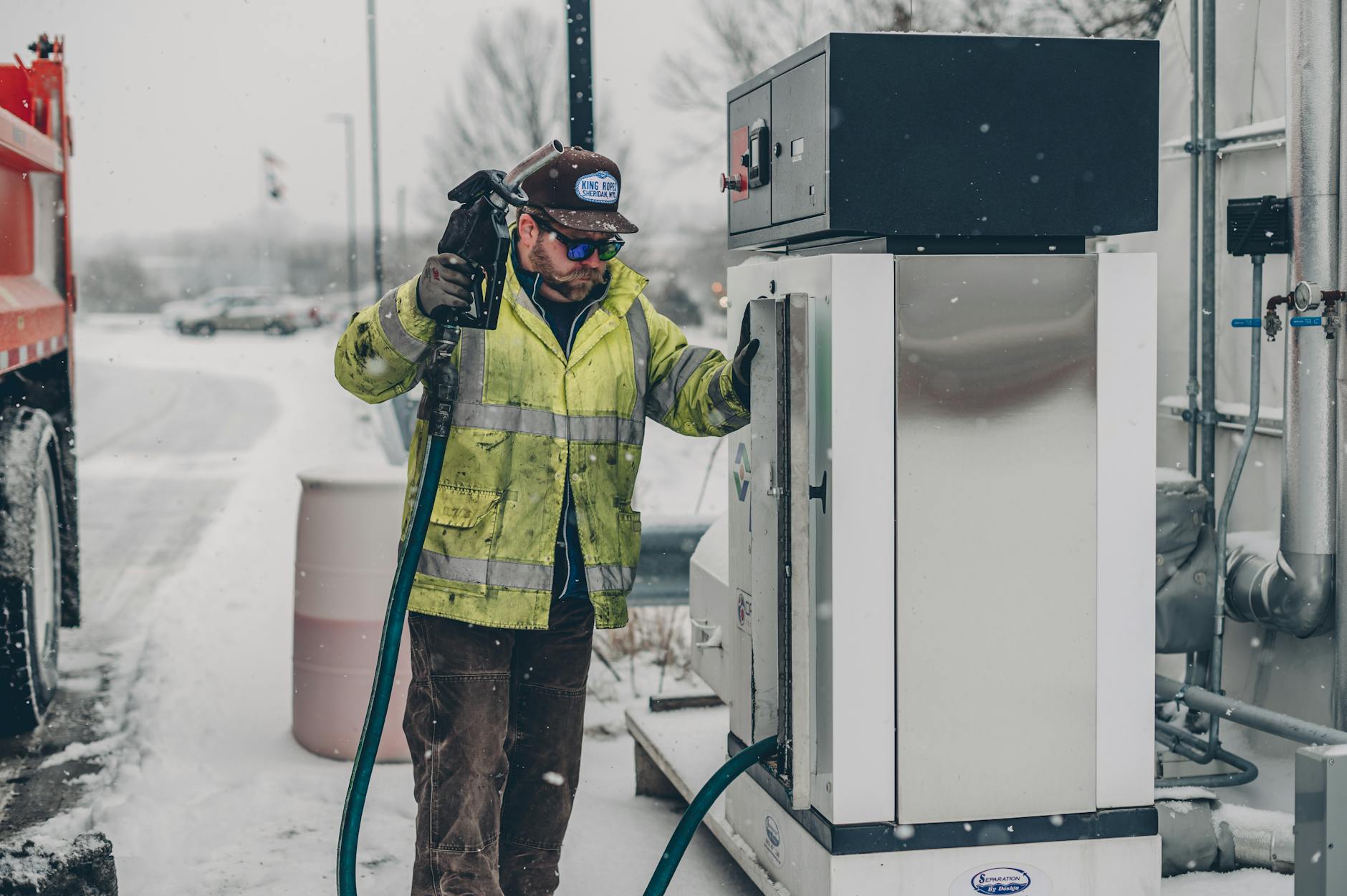
Why Fuel Distributors Are the Logical Buyers
Wholesale fuel distributors bring a specific set of advantages that most EV-pure-play operators never had. They already hold long-term site agreements at high-traffic locations – highway corridors, fleet yards, commercial fueling depots – where EV charging demand will eventually be concentrated. They have existing relationships with property owners and local utilities. They understand the logistics of operating energy infrastructure at scale, including the unglamorous work of preventive maintenance, emergency dispatch, and equipment lifecycle management.
There is also a straightforward financial logic. A fuel distributor that adds EV charging to an existing site spreads overhead across multiple revenue streams. The same staff that services diesel and gasoline infrastructure can be trained to handle charging equipment. The same billing relationships with fleet customers can be extended to cover electricity. That cost-sharing structure is something a standalone charging network, operating a single-product business, cannot replicate.
The acquisitions also give fuel distributors something they need strategically: time. By absorbing charging assets now, at distressed valuations, they establish a position in EV infrastructure without betting the entire business on a specific adoption timeline. If EV growth accelerates, they are already operating charging sites. If it slows further, they have not overcommitted capital. The optionality is worth something, and bankruptcy auctions are delivering it at a discount.
Fleet customers are the clearest near-term opportunity. Commercial vehicle operators – delivery services, utility companies, municipal fleets – are under regulatory and corporate pressure to electrify portions of their operations. They need reliable charging infrastructure at predictable locations, often the same depots and fueling hubs where wholesale distributors already operate. A distributor that can offer bundled diesel and EV charging under a single account relationship has a direct sales advantage over a charging-only competitor, assuming it can keep the chargers running.
What This Consolidation Actually Produces
The consolidation creates a version of EV charging infrastructure that looks less like a tech-sector disruption and more like a traditional utility service – slow, asset-heavy, and controlled by companies with existing market presence. That is either a stabilizing development or a troubling one, depending on what you think EV charging needs to become. Stability and reliability are what drivers actually want. Innovation in pricing, software, and user experience may be harder to find if the sector is dominated by companies whose core culture is logistics, not consumer technology.
There are real questions about geographic coverage. Fuel distributors are not equally distributed across regions, and their acquisition appetites will track their existing footprints. Areas where no major distributor has an existing site network may see failed charging assets sit idle longer, or get picked up by smaller operators with thinner resources. Rural charging gaps, already a legitimate concern for EV adoption, could widen if the consolidation concentrates investment in commercially dense corridors while leaving secondary markets behind.
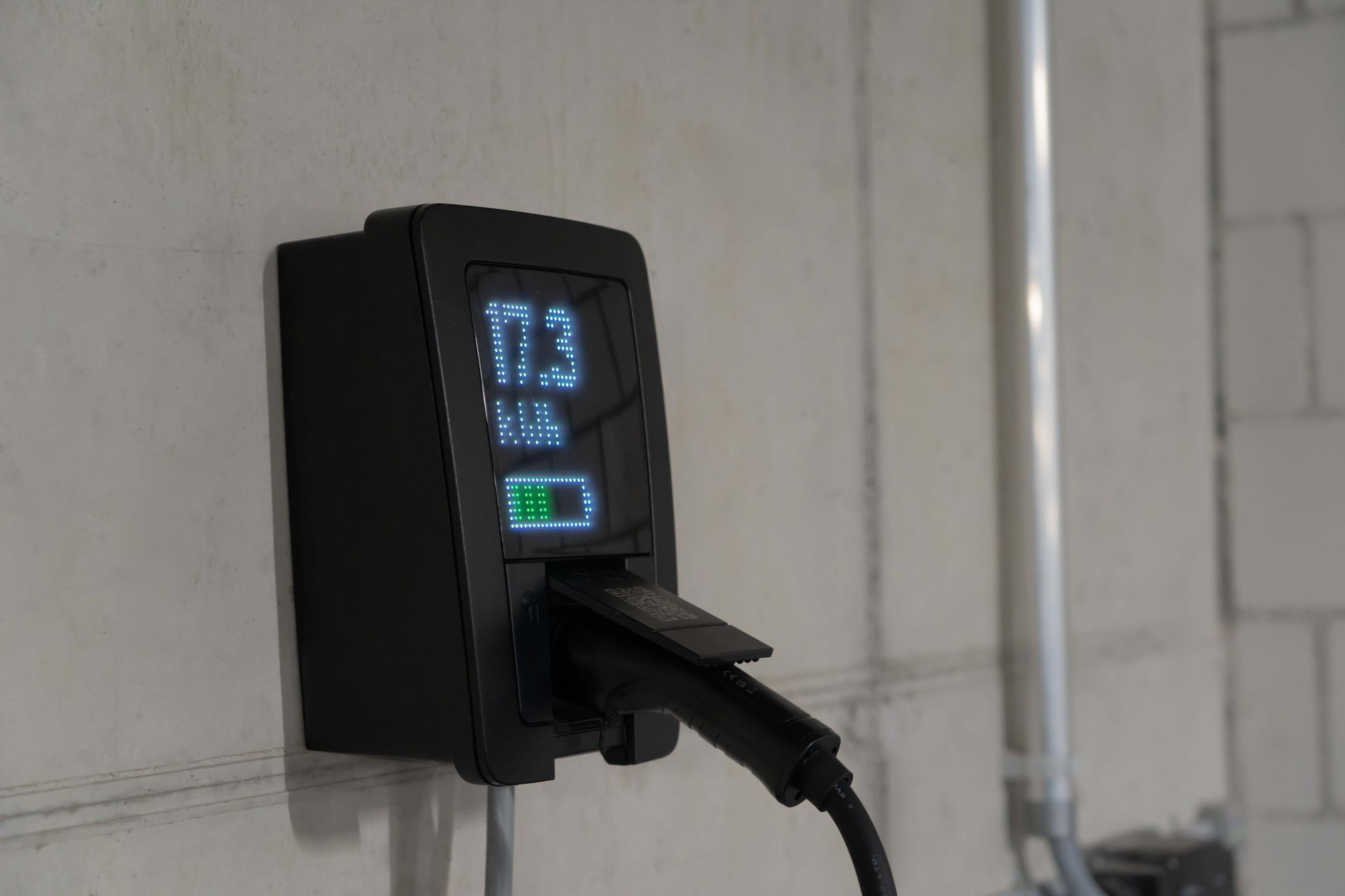
Regulators are watching, though the scrutiny has been limited so far. Most individual deals fall below thresholds that would trigger formal antitrust review, and the acquisitions can be framed as rescuing stranded assets rather than eliminating competition. But if a small number of large fuel distributors end up controlling a significant share of fast-charging capacity in key markets, the pricing and access dynamics could start to look like the fuel distribution market itself – consolidated, with limited consumer leverage.
The irony that petroleum distributors are becoming the default stewards of electric vehicle infrastructure is not lost on anyone tracking this closely. Whether they operate those assets aggressively or treat them as a hedge to be managed carefully is a question that will shape EV charging availability for the next several years – and the answer will probably vary by company, by region, and by how quickly commercial fleet electrification creates real demand.
Frequently Asked Questions
Why are EV charging networks going bankrupt?
Many networks built aggressively when capital was cheap but now face revenue shortfalls because EV adoption has grown slower than projected, leaving them unable to cover fixed operating costs.
Why are fuel distributors well-positioned to take over EV charging assets?
They already hold site agreements at high-traffic locations, have existing utility relationships, and can spread charging overhead across multiple revenue streams at locations they already operate.