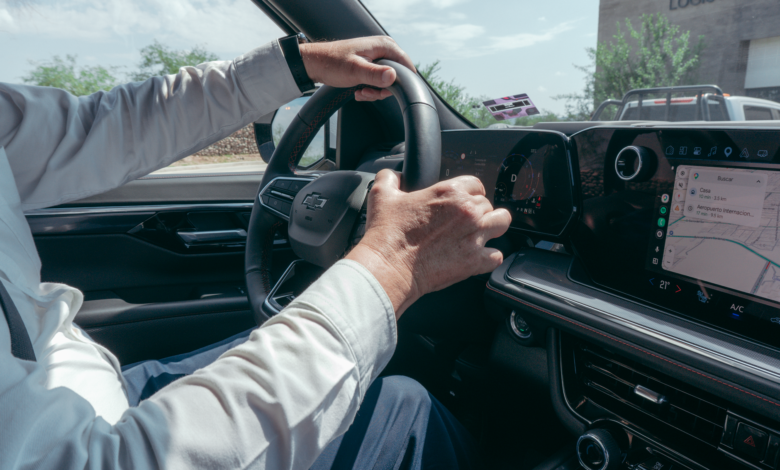
A driverless car can cross a state line in seconds. The legal permission to carry paying passengers cannot. That gap is the central problem for Tesla’s robotaxi ambitions, which depend on a software promise that scales instantly and a regulatory reality that does not scale at all.
Tesla has spent years telling investors that its camera-based driving system would one day power a fleet of autonomous cabs. The company began offering limited rides in Austin with a safety monitor on board, and it has named other cities as future targets. But every new market brings a separate set of questions. Who issues the permit? What does the application require? Does the state treat the service as a taxi, a ride-hail network, or an experimental vehicle program? The answers differ from one capital to the next, and Tesla’s expansion timeline now depends on them.
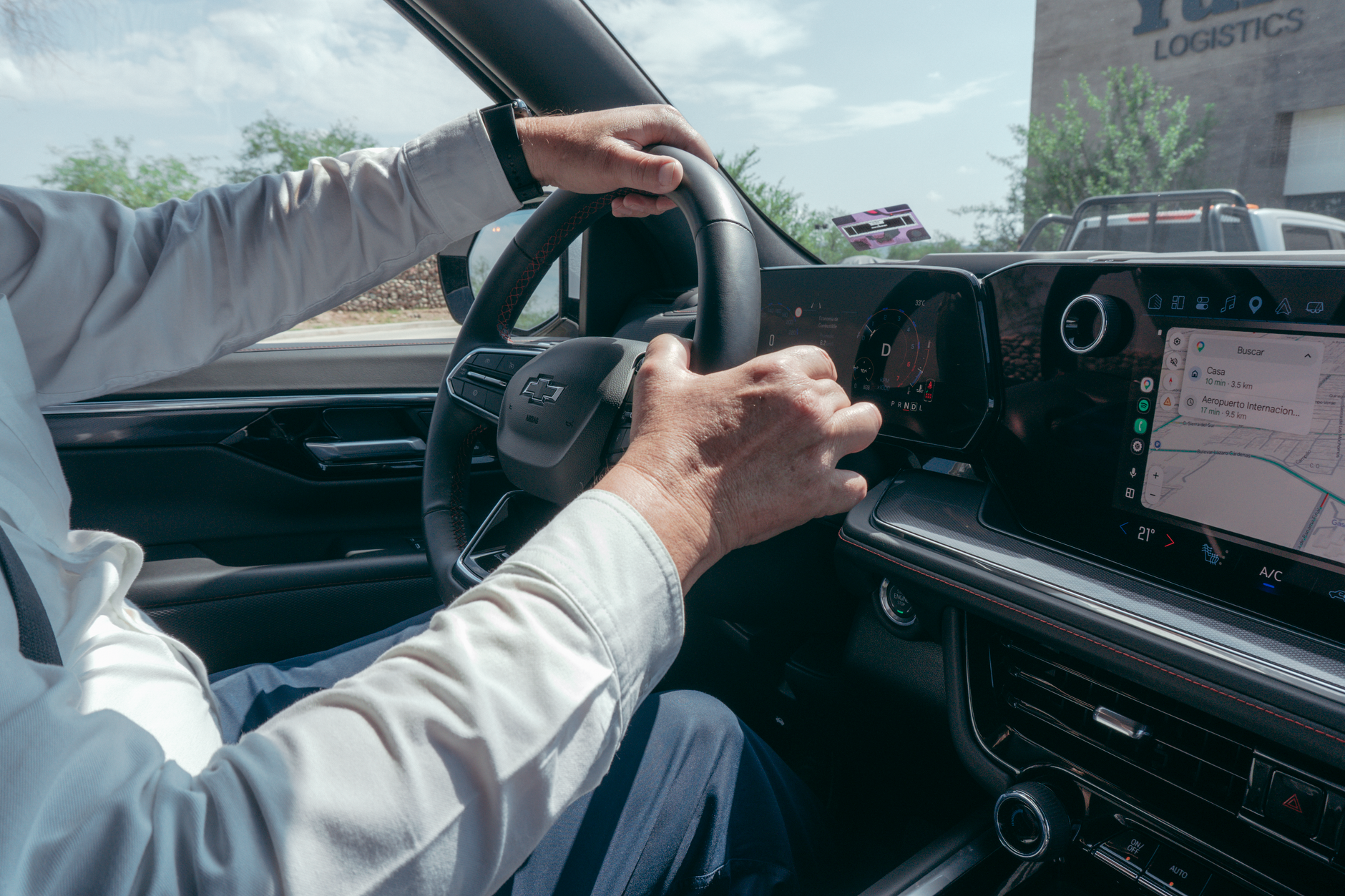
Fifty States, Fifty Answers
The United States has no single national framework for deploying driverless vehicles on public roads. Federal agencies set vehicle safety standards and can investigate defects, but states decide who may operate a car without a human driver, who may charge fares, and what insurance and reporting duties apply. Some states wrote permissive statutes years ago to attract testing programs. Others have layered several agencies over the same vehicle, so a company needs a motor vehicle permit for the technology and a separate utility or transportation commission approval to sell rides.
California shows how heavy that layering can get. Operating an autonomous vehicle without a driver there involves the state’s motor vehicle regulator, which controls testing and deployment of the technology, and a separate public utilities regulator, which controls passenger service. A company can hold one approval and be nowhere near the other. Tesla’s ride service in the Bay Area has relied on human drivers behind the wheel, which keeps it inside a more conventional permit category and outside the driverless one. That is a business choice as much as a technical one, and it shows how far the company still has to go before an empty driver’s seat is legal there.
Texas took the opposite approach for years, treating autonomous operation lightly and leaving cities little room to interfere. That is part of why Austin made a natural launch site. Even so, the state has moved toward a formal authorization process for commercial driverless operation, which means the friendliest jurisdiction on Tesla’s map is also adding paperwork. A permissive reputation is not a permanent condition, and companies that build a strategy around it risk watching the rules tighten after the first high-profile incident.
The Safety Monitor Problem
Tesla’s decision to put a human in the passenger seat during early rides was practical, but it also muddies the legal picture. A regulator reviewing an application wants to know whether the vehicle is operating autonomously or whether a person is effectively supervising it. If the monitor can intervene, the service looks closer to a driver-assist product. If the monitor cannot, the monitor is a comfort feature, not a safety mechanism. Neither description fits neatly into a permit form.
That ambiguity follows a longer-running tension. Tesla sells its Full Self-Driving software as a supervised system that requires an attentive driver, and California’s regulators have scrutinized how the company markets it. Asking for permission to run the same technology with nobody supervising invites a harder look at every earlier claim. The company’s past language becomes part of the record regulators read.
Why Permits Matter More Than Software
The common assumption is that the hard part of robotaxis is engineering, and that once the software is good enough, expansion is a matter of switching on new cities. In practice the sequence runs the other way. A competitor like Waymo spent years building relationships with city officials, filing detailed safety documentation, and accumulating a record of driverless miles that regulators could examine. That record is itself a regulatory asset. A permit office has little reason to approve a service with no track record when an established operator has already shown its numbers.
Tesla enters this process with an unusual profile. It has an enormous fleet of consumer cars, a large pool of driving data, and a founder who sets public deadlines that regulators do not share. Its argument is that a vision-only approach can be cheaper to deploy than rivals that depend on expensive sensors and detailed pre-mapped zones. That cost argument is persuasive to investors. It is less persuasive to a state agency that mainly wants to know what happens when a vehicle meets a flooded intersection or an emergency responder, and that asks for evidence, not projections.
Each state also hands Tesla a different test. A permit that requires disengagement reporting forces the company to disclose how often humans have to take over, a number Tesla has historically been reluctant to publish in detail. A permit tied to a local operations center forces it to staff remote support in the region. A permit that requires specific insurance minimums turns a software question into a balance sheet question. None of these requirements is unreasonable, but together they convert a single national product into dozens of local compliance projects.
This is also where Tesla’s business model creates its own friction. The long-term pitch involves owners adding their cars to a shared network, earning money while they sleep. That model multiplies the regulatory surface. A company-owned fleet in a single city needs one operator to answer to. A network of privately owned vehicles raises questions about who carries liability when a car with no driver injures someone, which regulators will want settled before they approve anything on that scale. So far Tesla has not had to answer those questions in public, because its fleet is small and its rides are supervised.
If Austin is the proof of concept, the harder proof is the second state that says no, or says “not yet,” and what Tesla does while it waits.