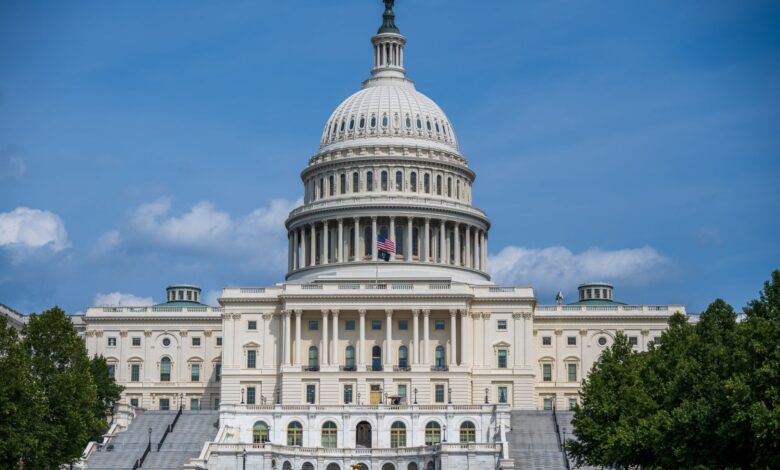
A spending deadline in the Senate is less a finish line than a starting gun. The twelve annual appropriations bills almost never move as a tidy set, which is why stopgap measures have become the chamber’s default instrument. Each one buys a few weeks, and each one pushes the same unresolved questions further down the calendar.
Senate appropriators know this better than anyone, and many are now preparing for the possibility that the next lapse in funding will not be averted.
The memory of the last shutdown is still fresh. It ran 43 days, the longest on record, and it left furloughed federal workers, strained airports and anxious families who rely on federal food assistance. Nobody on the Appropriations Committee wants to repeat that, but wanting to avoid a shutdown and having the votes to avoid one are different things. The committee’s leaders, Susan Collins and Patty Murray, have a record of writing bipartisan bills. The trouble is that the committee’s work product has to survive a floor that is far more polarized than the committee room.
Why the Math Keeps Breaking
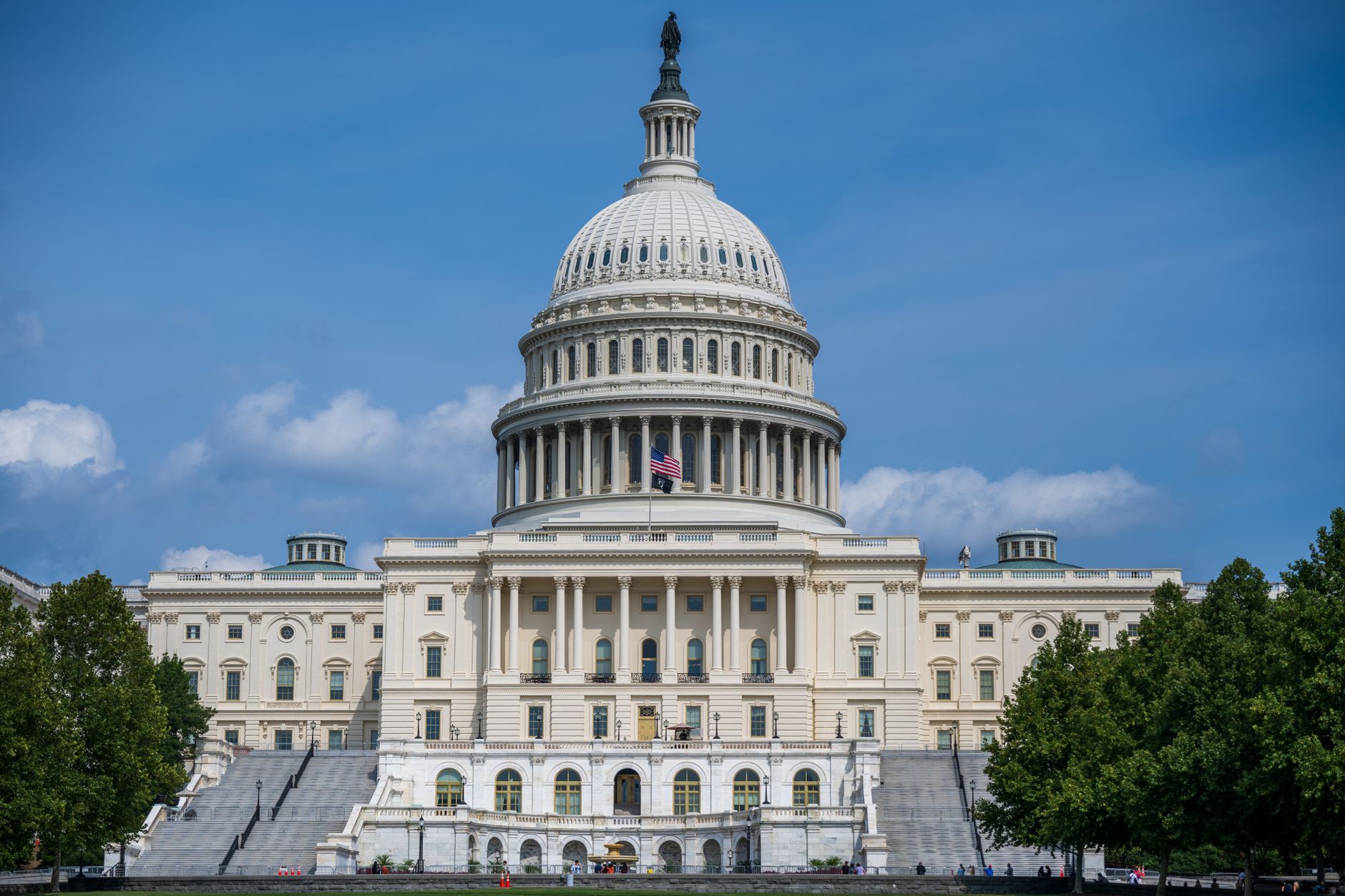
The core obstacle is arithmetic. Most spending bills need 60 votes to clear the Senate, which means a Republican majority cannot pass them without a meaningful number of Democrats. That threshold turns every funding bill into a negotiation, and every negotiation into a hostage situation. Democrats can withhold votes to extract concessions. Republicans can attach policy riders that make the bills impossible for Democrats to support. Either side can run out the clock and let the other absorb the blame for a shutdown.
Topline spending levels are the first fight. Before a single line item is written, the two parties have to agree on how much the government will spend in total and how that money divides between defense and nondefense programs. Without that agreement, the twelve subcommittees are drafting bills against different assumptions, and the committee’s usual bipartisan craftsmanship cannot do much to bridge the gap. Appropriators can sort out the details of a transportation bill or an agriculture bill in a matter of weeks, but only if leadership has settled the larger number first.
Then there is the matter of floor time. A Senate that is also processing nominations, treaties and whatever priority the majority leader wants next has limited room to debate a dozen spending bills one at a time. Pressure to bundle everything into one giant package grows as a deadline closes in, and that is exactly the kind of bill rank-and-file members complain about. The pressure on the filibuster itself, which is already quietly dividing Senate Republicans, only adds another layer of uncertainty about how far the majority is willing to go to bypass the 60-vote requirement.

A Trust Problem, Not Just a Spending Problem
The sharpest disagreement now has less to do with dollar figures than with whether a spending bill means what it says. Democrats have grown wary of agreeing to funding levels that the executive branch might then decline to spend. Tools like rescission requests and apportionment delays allow a White House to hold back money that Congress has already approved, and appropriators in both parties have bristled at the idea that their work can be quietly undone after the ink dries.
That wariness shapes the negotiating posture. Democrats want enforceable guardrails, written into the bills, that require funds to flow as intended. Many Republicans are reluctant to bind a president of their own party, and the White House has little appetite for limiting a power it considers legitimate. This standoff is hard to resolve with a compromise number. Splitting the difference on a topline is easy to imagine. Splitting the difference on whether the executive branch is obligated to follow the law as Congress wrote it is much harder.
Policy fights keep colliding with the calendar as well. The last shutdown was driven in large part by a dispute over expiring health insurance subsidies, a reminder that a spending deadline gives every unresolved grievance a convenient place to land. Members of the rank and file who might never vote to close the government on principle can still be pulled into a lapse when the alternative looks like surrender. Party leaders also face their own pressures. Primary voters tend to reward confrontation, and the political cost of a shutdown is rarely felt evenly or immediately.
What Happens If the Clock Runs Out
The last shutdown ended after 43 days, and the structure that produced it, a 60-vote threshold, a short-term funding habit and a deep distrust over whether appropriations will be honored, has not been repaired.