Dead Malls, New Rules
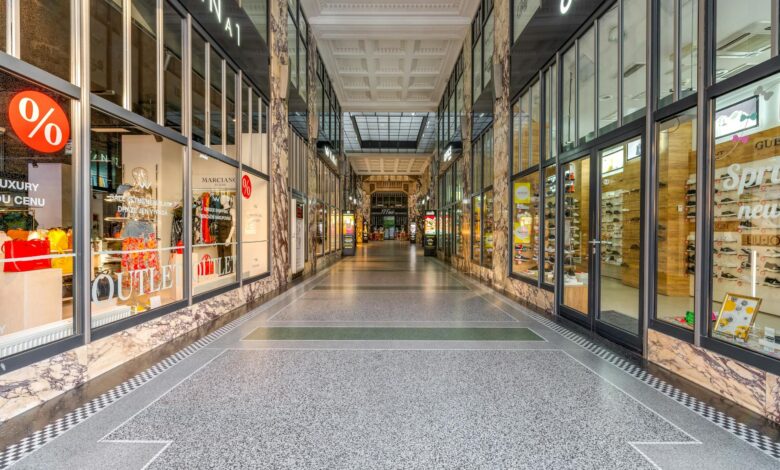
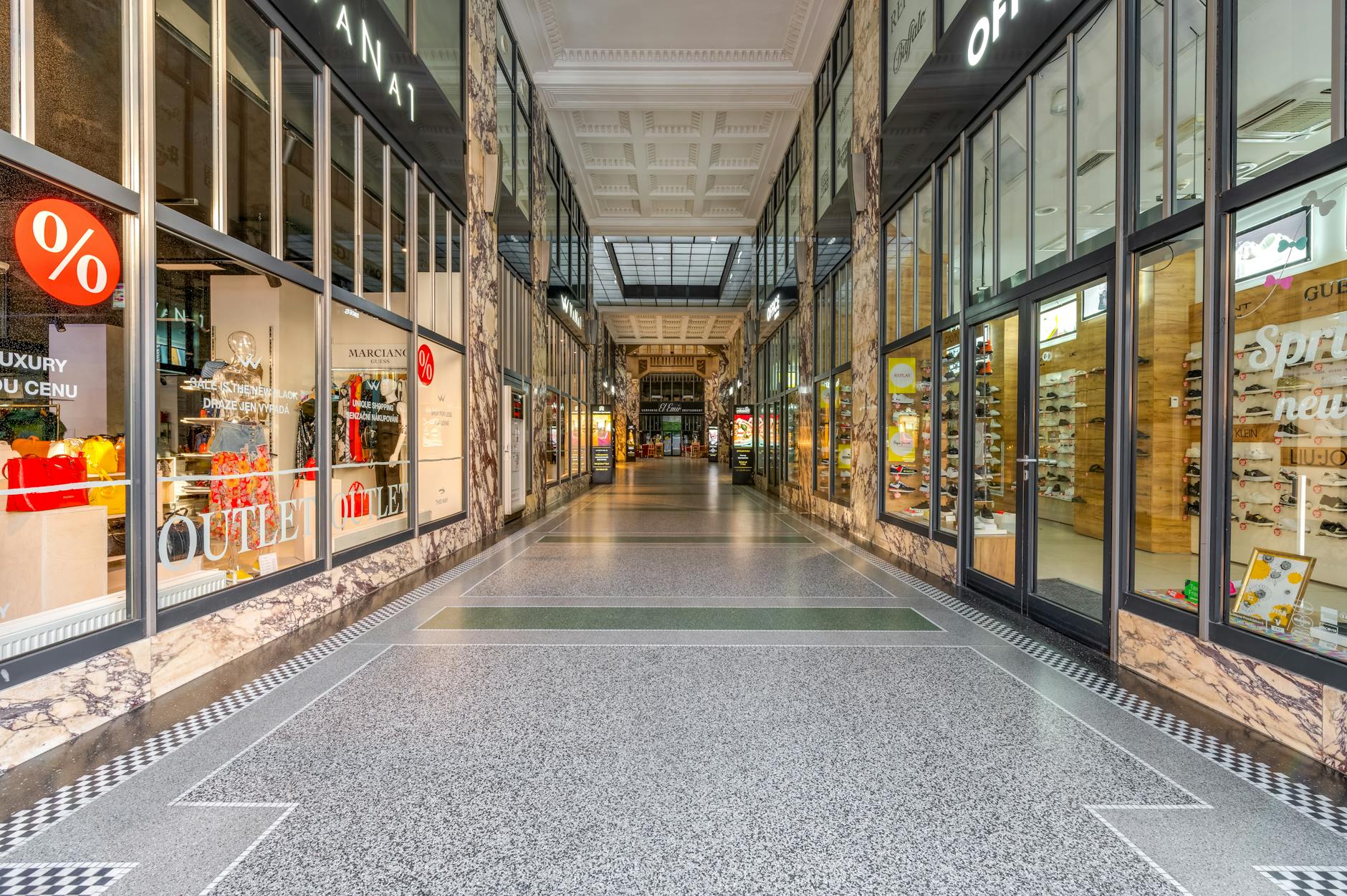
Walk through any mid-tier American shopping mall built between 1975 and 2000, and the math becomes obvious fast: the anchor stores are gone, the foot traffic has thinned, and the landlord is staring at 50,000 to 150,000 square feet of empty space that was designed specifically for a department store that no longer exists. Sears, JCPenney, Lord and Taylor – the roster of departed anchors is long, and the buildings they left behind are not easy to repurpose. Ceilings are high, columns are wide apart, and loading docks were built for semi-trucks, not yoga mats.
Pickleball, of all things, is becoming a serious answer to that problem. Across the country, retail landlords and mall operators are converting former anchor tenant spaces into multi-court pickleball facilities, betting that the sport’s explosive growth in participation can do what no amount of pop-up retail or food halls has managed: fill the space, generate foot traffic, and keep people on-site for hours at a time.
Why the Sport Fits the Space
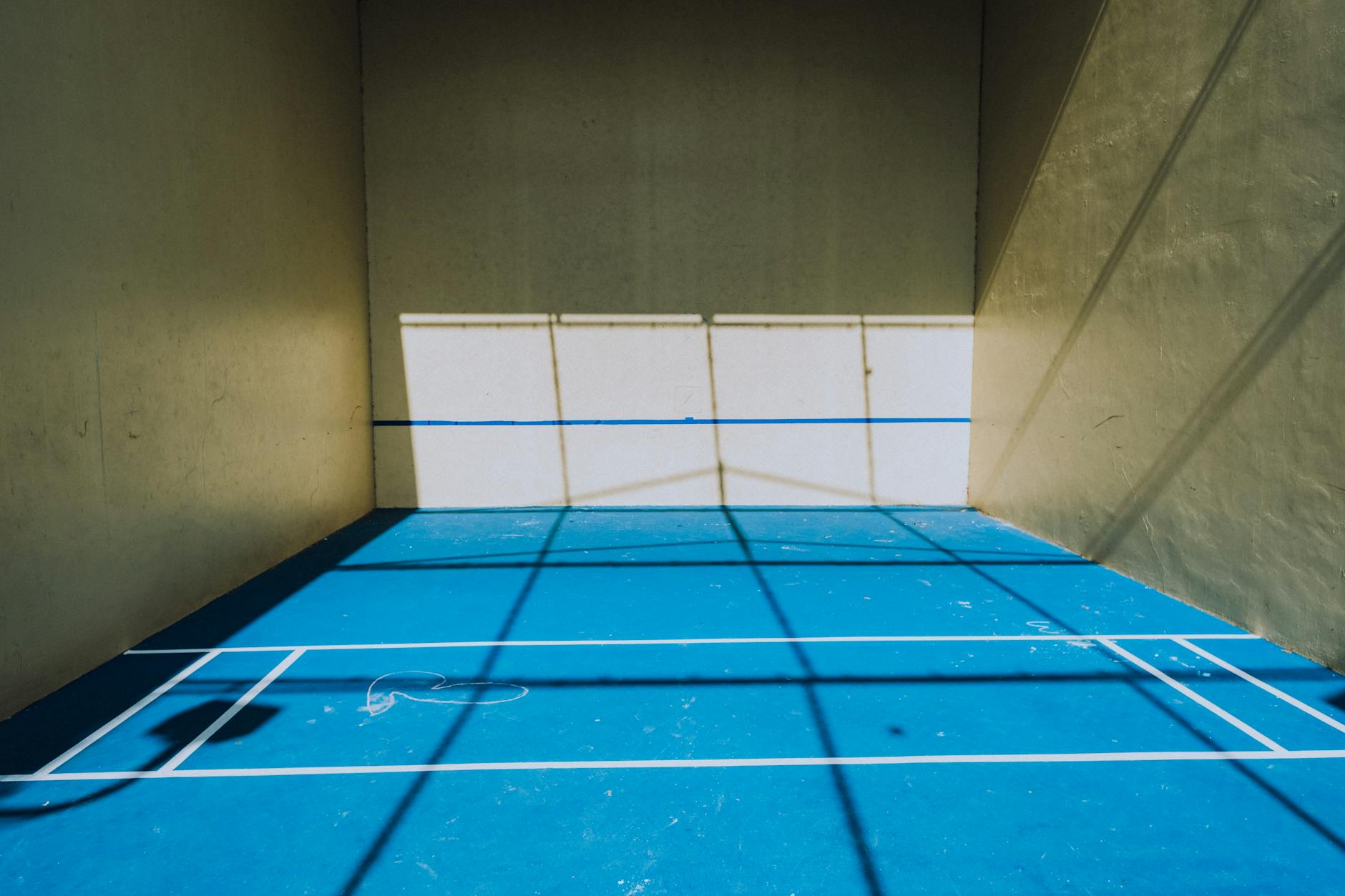
The physical dimensions work almost suspiciously well. A regulation pickleball court measures 44 feet by 20 feet, meaning a single former anchor space can hold anywhere from eight to twenty courts depending on configuration, with room left for locker areas, pro shops, and spectator seating. The height requirements are far lower than those for tennis or basketball, and the concrete slab floors that department stores preferred are essentially ready-made for court surfaces with minimal modification. From a construction standpoint, the bones of a former Sears are better suited to a pickleball complex than to almost any other athletic use.
The cost equation pushes in the same direction. Converting a vacant anchor into a pickleball facility runs significantly less than building a freestanding sports complex from scratch. The shell, the utilities infrastructure, the HVAC systems, the parking lots – all of it already exists. A landlord who might otherwise face a multi-year vacancy or a costly demolition can instead strike a lease with a pickleball operator and start collecting rent within months of breaking ground on the conversion. For a property that was generating zero revenue from the empty space, even a below-market lease rate represents a dramatic improvement on the balance sheet.
The Foot Traffic Logic
Mall landlords do not just want rent checks. They want people walking through the property, passing storefronts, stopping for food, and staying longer than a single errand would justify. This is the core commercial logic behind mixed-use entertainment concepts – and pickleball delivers on it better than most alternatives. A player who books a 90-minute court session arrives early, lingers afterward, and often brings non-playing friends or family. That behavior pattern looks a lot more like the old anchor tenant model than a trampoline park or a movie theater, both of which funnel people directly in and directly out.
The demographic overlap between pickleball’s core player base and mall retail’s target consumer is not incidental. The sport skews heavily toward adults over 35, with particularly strong adoption among the 50-and-older crowd – a group with significant disposable income and a demonstrated willingness to spend on experiences rather than objects. These are exactly the shoppers that the remaining inline tenants – the clothing stores, the jewelry chains, the sit-down restaurants – most want to see walking past their storefronts on a Tuesday afternoon.
There is also a membership economics angle that landlords find attractive. Most pickleball venue operators run some version of a membership or court reservation model, which means the facility generates recurring revenue on a predictable schedule rather than relying purely on walk-in traffic. That kind of stable cash flow makes the tenant a lower risk proposition for a landlord who has already absorbed years of volatility from retail tenants tied to shifting consumer spending habits.
The food and beverage component seals the argument. Pickleball venues consistently attach bars, casual restaurants, or at minimum grab-and-go counters to their operations. That means a conversion project can anchor not just one vacant space but potentially activate adjacent restaurant pads or food court areas that have also gone dark. A single pickleball operator signing a lease can, in practice, trigger a broader revitalization of an entire wing of a struggling property.
The Operators Moving In
A growing number of pickleball venue chains are expanding specifically by targeting vacant mall anchor spaces, and they are doing so with enough capital behind them to sign long-term leases and build out substantial facilities. These are not casual hobbyist operations – they are venture-backed or private equity-backed businesses with aggressive expansion timelines and detailed site criteria that map almost perfectly onto former anchor footprints. The alignment between what these operators need and what distressed mall landlords have available is driving deals at a pace that would have seemed implausible even three years ago.
The deals themselves vary. Some landlords are offering below-market rent in exchange for profit-sharing arrangements or co-investment in the buildout. Others are simply grateful enough for a creditworthy tenant to sign near-standard leases and absorb the conversion costs themselves. In markets where the mall property has already been written down significantly on a lender’s books, even a modest lease with a pickleball operator can look like a recovery rather than a compromise.
What This Does Not Solve
Pickleball courts do not fix every problem a struggling mall faces. They do not bring back the comparison shopping that once made enclosed malls economically self-sustaining. A 20-court facility generates foot traffic on a schedule tied to court reservations – concentrated peaks on evenings and weekends, thinner weekday mornings – which does not uniformly benefit every remaining inline tenant. A clothing boutique that needs steady Saturday afternoon browse traffic gets something different from a nearby pickleball complex than it did from a department store that pulled in shoppers all week.
The deeper question is whether pickleball’s current growth curve holds long enough to justify locking up large anchor spaces for 10 or 15 year lease terms. The sport’s participation numbers have grown sharply, but sports trends have stalled before, and a venue operator who signed an aggressive expansion plan at peak enthusiasm can become a problem tenant quickly if court utilization drops. For a mall landlord, trading one long-term vacancy risk for a different kind of long-term lease risk is a trade worth scrutinizing carefully – and the landlords writing the biggest checks on buildout costs should be asking that question hardest.