The Quiet Exit
Dollar stores were supposed to be recession-proof. The pitch was simple: when household budgets tighten, shoppers trade down, and discount retailers capture that overflow. For years, chains like Dollar General and Dollar Tree printed growth stories by planting flags in neighborhoods that larger grocers and big-box retailers had written off. Urban corridors, food deserts, low-income zip codes – these were the frontier. The stores arrived fast, multiplied faster, and the Wall Street narrative held.
Now the story is getting complicated. Dollar General quietly closed dozens of locations in 2023 and flagged more closures heading into 2024. Dollar Tree, still absorbing the troubled Family Dollar acquisition, has been pruning its portfolio with increasing speed. The retreats are not loud or announced with fanfare – they happen through lease non-renewals, quiet shutdowns on a Tuesday morning, and investor-call language about “optimizing the store base.” But the pattern, particularly in dense urban markets, is hard to ignore.
Why Urban Expansion Looked So Attractive
The logic behind urban dollar store growth was straightforward. Dense neighborhoods with high foot traffic and limited grocery competition looked like easy wins. Operating costs per customer could be lower in walkable areas where shoppers visited more frequently, even if individual basket sizes were small. For chains built around thin margins and high volume, urban density seemed like a natural fit.
Cities also offered something that mattered to Wall Street: growth story geography. Rural markets were saturated. Suburban strip malls had their own cost pressures. Urban expansion – particularly into neighborhoods underserved by traditional retail – gave analysts a map they could point to as proof that the store count could keep climbing. Dollar General went from roughly 10,000 stores in 2013 to over 19,000 a decade later, and urban markets were a meaningful part of that trajectory.
What the expansion models underweighted was operational complexity. Urban stores face higher labor costs, more difficult supply chain logistics, frequent inventory shrink from theft, and lease rates that don’t bend the way rural or suburban landlords sometimes do. A store format designed around low overhead and simple replenishment runs into friction when it’s on the third floor of a mixed-use building in a city where the nearest distribution center is two hours away in traffic.
Shrink and Theft Are Accelerating the Math
Retail shrink – the industry term covering theft, employee fraud, and inventory errors – has become a defining cost problem for dollar store operators in urban locations. Both Dollar General and Dollar Tree have named shrink explicitly in earnings calls as a drag on profitability, with Dollar General at one point describing it as a multi-hundred-million dollar annual problem. The issue is not new, but the scale has shifted, and urban stores tend to absorb a disproportionate share of that loss.
The response from operators has been staffing adjustments, locked merchandise cases, and in some locations, reduced store hours. Each of those fixes carries its own cost, and none of them solve the underlying economics cleanly. A store that needs three additional staff members to manage loss prevention, keeps cleaning products behind plexiglass, and closes at 7 p.m. instead of 10 p.m. is a meaningfully different business than the low-friction format these chains were designed to run.
What Closure Patterns Actually Reveal
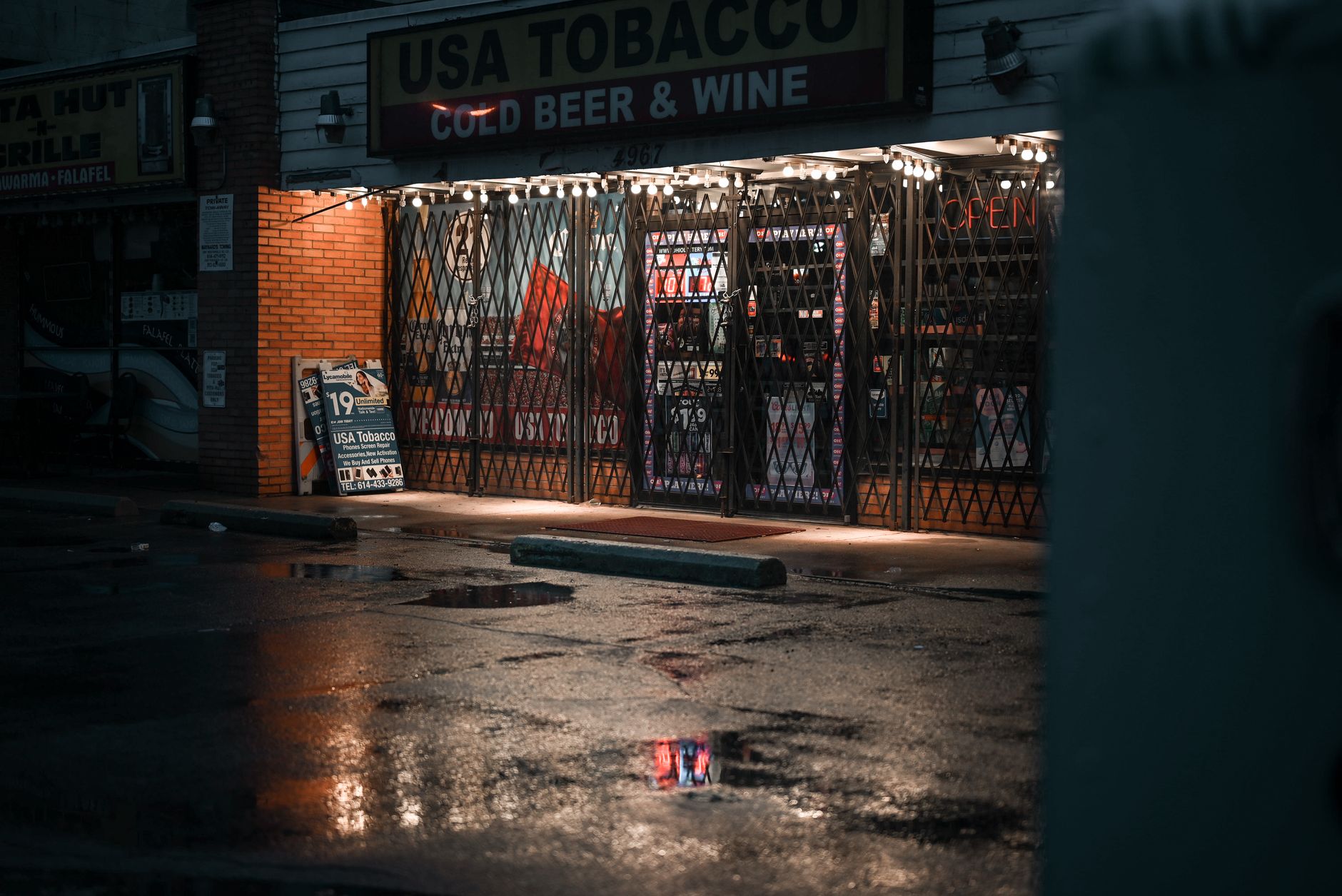
Mapping which stores close tells a cleaner story than press releases do. When dollar store locations shut down in urban areas, they tend to cluster in neighborhoods that also lack other retail anchors – the same communities the chains once pointed to as underserved markets worth serving. The closures don’t just represent a business retreating from unprofitable locations. They reopen the question of who actually serves these neighborhoods when the discount model stops working.
Community advocates have pointed out for years that dollar store proliferation sometimes displaced smaller independent grocers and created a retail monoculture. When the dollar stores then leave, those independent operators are often gone and unlikely to return. What remains is a gap – no dollar store, no grocery, no pharmacy – in zip codes where residents frequently lack reliable transportation to alternatives. The retail desert that the expansion was supposed to fix gets reconstituted, sometimes worse than before.
For the chains themselves, the calculus around urban closures is at least partly about capital reallocation. Dollar General has been vocal about shifting investment toward its pOpshelf concept, which targets higher-income suburban shoppers, and toward its health and fresh food initiatives. Those growth bets require resources, and freeing up capital from underperforming urban stores funds them. It’s a rational portfolio decision that looks very different depending on whether you’re reading an earnings call or living in a neighborhood that just lost its only nearby retailer.

The deeper tension is that dollar stores built their regulatory and reputational goodwill partly on a public-service argument: they were bringing affordable goods to communities that needed them. That argument made it easier to get zoning approvals, softened public criticism, and gave the expansion a moral frame that pure discount retail doesn’t typically get. Walking back from urban markets while that argument is still fresh creates a credibility problem the industry hasn’t fully reckoned with. A number of cities that once fast-tracked dollar store permits are now watching those same stores darken their storefronts – and some are asking whether the same chains should face more scrutiny if they try to return.
Dollar Tree faces its own version of this pressure with Family Dollar, a brand historically rooted in urban and lower-income communities. The closure program for Family Dollar stores has been aggressive, running into the hundreds of locations. Unlike Dollar General’s portfolio pruning, which can be framed as strategic optimization, the Family Dollar situation carries the weight of an acquisition that may never fully justify its price tag – and a customer base that had fewer alternatives to begin with. Whether those closed Family Dollar stores get replaced by anything at all, or simply become vacant ground-floor retail in neighborhoods already short on services, is a question that plays out block by block rather than in quarterly reports.