Regional Radiology Staffing Groups Are Quietly Selling to Teleradiology Networks


Regional radiology staffing groups – the physician-owned practices that have long supplied imaging reads to community hospitals, urgent care networks, and outpatient centers – are being absorbed by national teleradiology platforms at a pace that is starting to reshape how diagnostic imaging gets done across the country.

The Quiet Exit From Independent Practice
For decades, regional radiology groups operated on a straightforward model: a pool of local radiologists contracted directly with nearby facilities, built relationships with referring physicians, and maintained quality control through proximity and institutional knowledge. The arrangement worked well when imaging volumes were predictable, staffing was stable, and reimbursement rates covered the overhead of running a physician-owned practice. None of those conditions hold as reliably as they once did.
Reimbursement pressure from Medicare and commercial payers has steadily compressed the per-read revenue that sustains smaller groups. Meanwhile, the administrative burden of credentialing radiologists across multiple state licenses, managing after-hours call coverage, and absorbing the cost of malpractice insurance has grown considerably. Smaller groups with ten to thirty radiologists find themselves carrying overhead structures that made sense when volumes were higher, but now eat into margins that leave little room for reinvestment or physician compensation growth.
Teleradiology networks, by contrast, operate at a scale that fundamentally changes the cost equation. A national platform credentialing hundreds of radiologists across all fifty states can spread licensing, compliance, and technology costs across a far larger revenue base. That structural advantage makes it possible to offer hospital clients faster turnaround times and broader subspecialty coverage – overnight neuroradiology, pediatric reads, cardiac imaging – without the staffing headaches that a twelve-person regional group cannot practically solve.
The result is a growing number of acquisition conversations that regional group partners are having quietly, often without their hospital clients knowing until the deal is signed. A practice that spent thirty years building a local reputation may announce one morning that it has joined a national platform. The radiologists stay in place, the reads continue, but ownership, contracting authority, and pricing now run through a corporate layer that the hospital never directly negotiated with.

Why Teleradiology Networks Want Regional Groups Now
National platforms are not simply buying competitors – they are buying contracts. A regional radiology group with a ten-year exclusive agreement covering three community hospitals and a surgery center represents a guaranteed revenue stream that would otherwise take years of sales effort to replicate. Acquiring the group means acquiring the client relationships, the existing fee schedules, and the incumbent advantage that makes displacement by a new competitor extremely difficult. That kind of contracted revenue commands a significant premium in any acquisition conversation.
Beyond the contracts themselves, regional groups offer something that pure teleradiology platforms have historically struggled to deliver: local trust. Referring physicians and hospital administrators have often built years of working relationships with the regional group’s radiologists. They know who to call with a complicated case. They know the turnaround expectations. When a teleradiology platform acquires the group but retains the physicians, it inherits that relationship capital overnight. The platform gets the scale advantages of a national operation while preserving the clinical credibility of a local practice.
Technology integration is another driver. Teleradiology networks have invested heavily in AI-assisted triage tools, voice recognition platforms, and worklist management systems that smaller regional groups cannot afford to build or license independently. A regional group joining a national platform gains access to that infrastructure immediately, which can meaningfully improve radiologist productivity and reduce the per-read cost structure. For practice owners approaching retirement age, that kind of technological modernization without personal capital investment is an attractive proposition.
The financing environment has also made acquisitions easier to execute. Private equity has moved aggressively into radiology over the past several years, backing national teleradiology platforms with acquisition capital. That money creates competitive pressure among platforms to grow contracted volume, which in turn drives up the multiples being offered to regional practice owners. A group that might have sold for four or five times earnings five years ago is now fielding offers considerably higher, a dynamic that accelerates the decision for partners who were already contemplating an exit.
This pattern is not unlike what happened in other regional professional services markets. Regional radiology billing groups have been navigating their own version of consolidation pressure, exiting complex contract structures as the administrative cost of maintaining them outpaces the return. Both trends point to the same underlying force: the economics of running a small, specialized professional services operation are deteriorating faster than most practice owners anticipated.
What Hospitals Are Left Managing
Hospital administrators who have relied on regional radiology groups often discover the consolidation after the fact. The contract they signed with a local physician group may now be administered by a national platform with standardized pricing, centralized billing, and a different approach to subspecialty coverage requests. Renegotiating terms becomes more complicated when the counterparty is a corporate entity rather than a group of physicians with a direct stake in the hospital relationship.
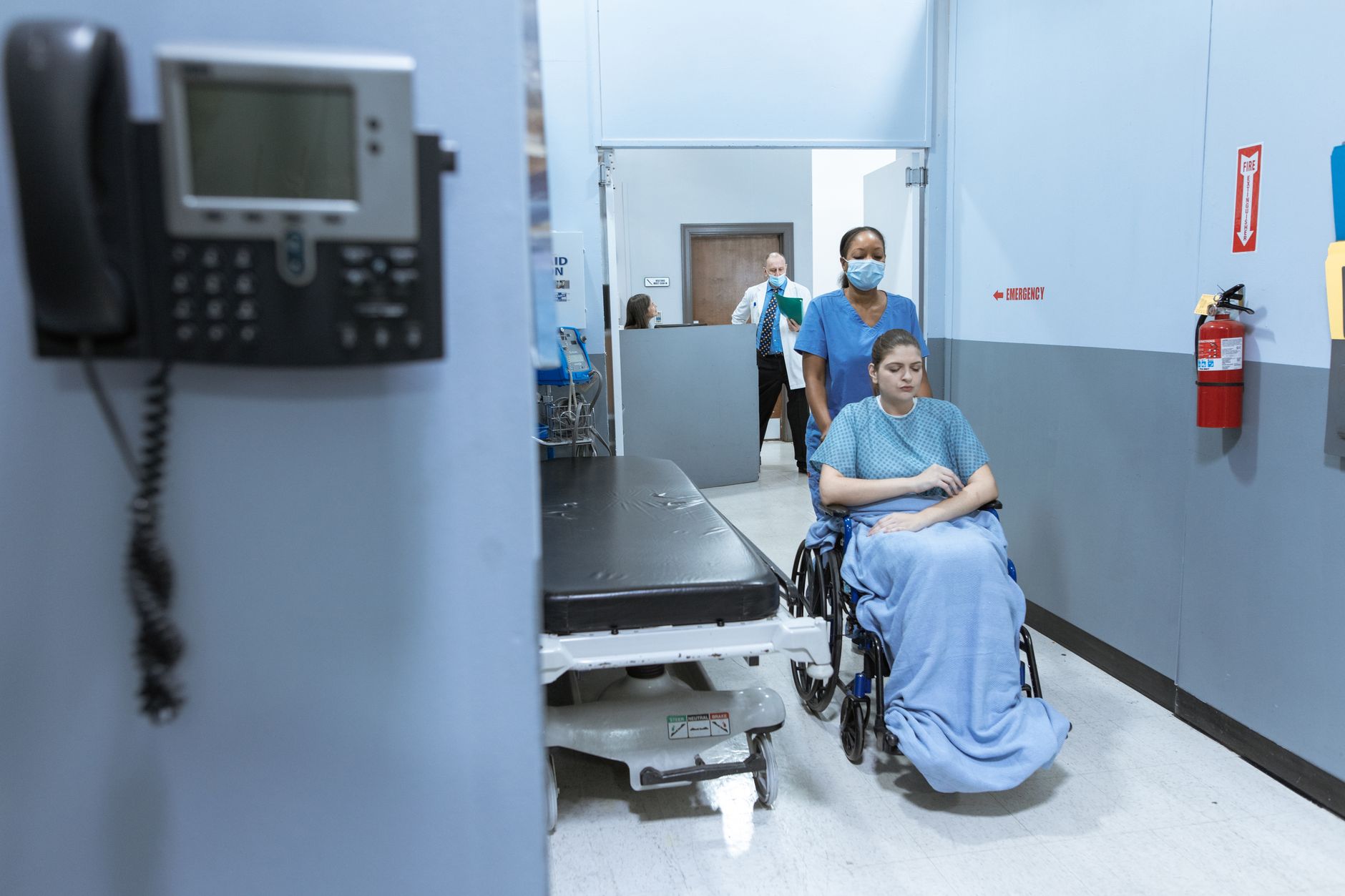
The harder question is whether the clinical quality holds through the transition. Most acquisitions retain the radiologists themselves, at least initially, and for routine imaging the difference in care delivery is often minimal. The concern surfaces at the edges: the complex case that previously got a hallway conversation with a familiar radiologist, the stat read at 2 a.m. that now routes through a national worklist rather than a local on-call physician, the subspecialty interpretation that a regional group handled internally but a national platform now subcontracts to yet another layer of the teleradiology stack. For hospitals in smaller markets, those edge cases are not hypothetical – they are weekly occurrences.
Frequently Asked Questions
Why are regional radiology groups selling to teleradiology networks?
Reimbursement pressure, rising overhead costs, and attractive acquisition multiples backed by private equity are pushing regional practice owners toward exits.
How does this affect hospitals that relied on regional radiology groups?
Hospitals may find their contracts administered by a national corporate entity, with changes to pricing, coverage structure, and the direct physician relationships they depended on.