The Quiet Consolidation of Eye Care
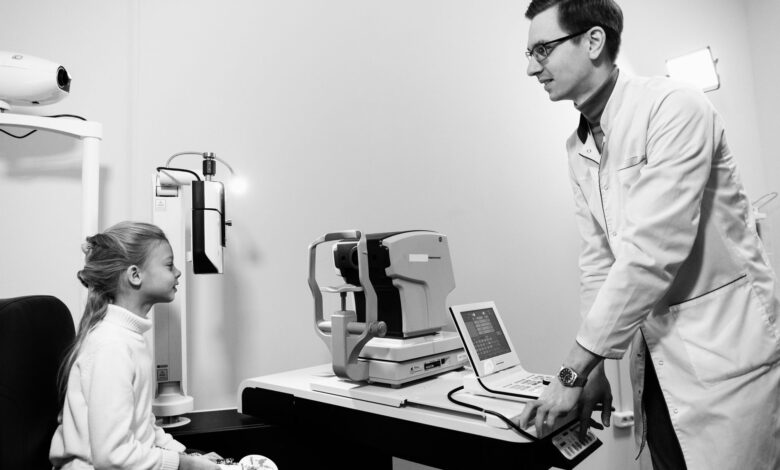
Walk into a local ophthalmology practice today and nothing looks different. The waiting room still has the same chairs, the same technicians, the same doctor you have seen for years. What has changed, often without any announcement, is who owns the building, the equipment, and the billing infrastructure behind it. Private equity firms have been buying up independent ophthalmology practices across the country, folding them into regional and national platforms that operate under familiar local names while answering to investors with very specific return timelines.
This consolidation is not new – it has been building for several years – but its pace has accelerated as more physicians approach retirement age and fewer young ophthalmologists want to manage the administrative weight of running an independent practice. The result is a quiet but substantial reshaping of how eye care is delivered, priced, and staffed across mid-size and smaller markets.
Why Ophthalmology Attracted PE Interest Early
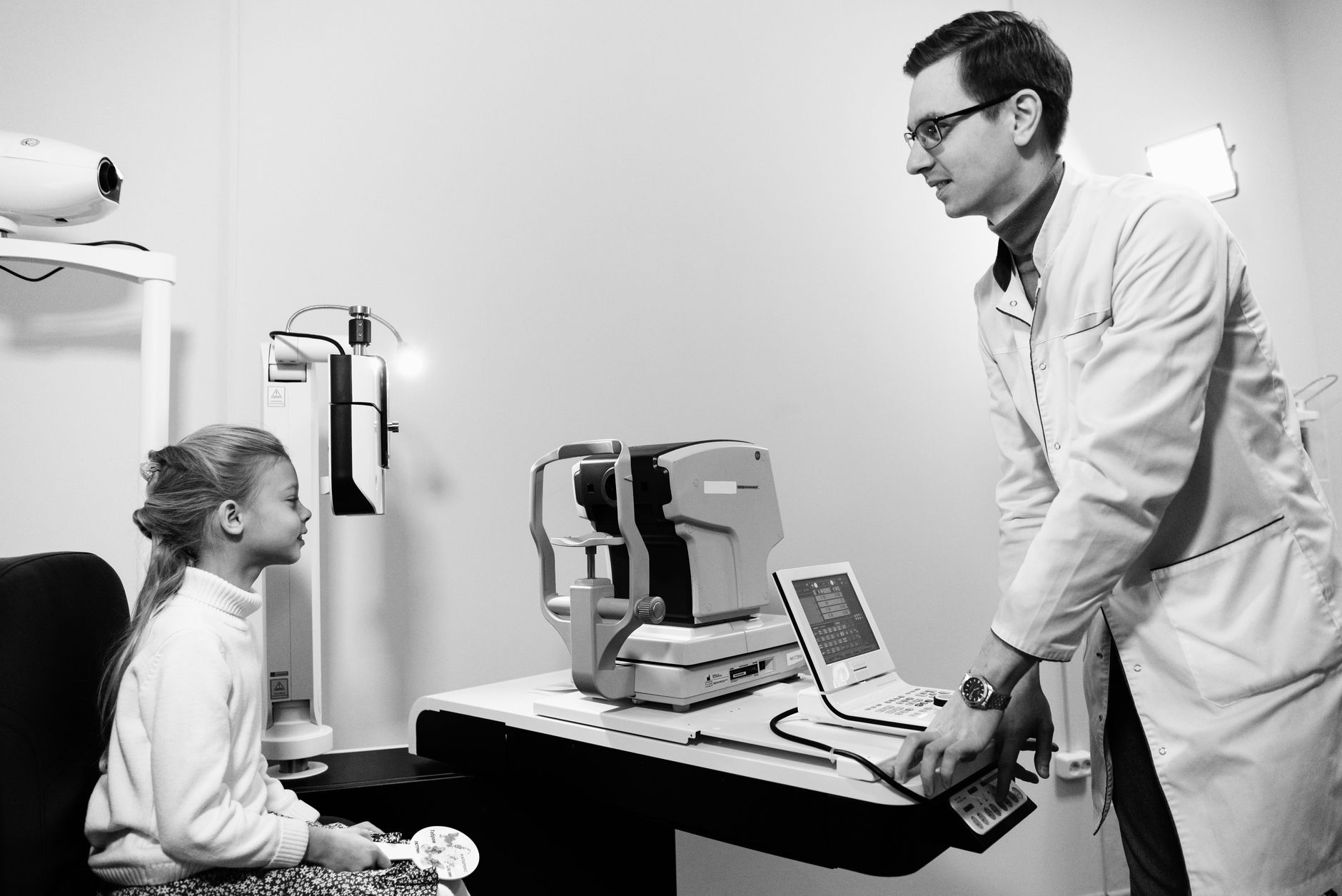
Ophthalmology has always been an attractive specialty for investors because of its procedural density. Unlike primary care, where most revenue comes from office visits with thin margins, ophthalmology generates income from cataract surgeries, LASIK procedures, retinal treatments, and glaucoma management – all of which carry significantly higher reimbursement rates. A single busy surgeon performing cataract surgeries can generate revenue that dwarfs what most general practitioners see in a year. That kind of procedure volume, combined with an aging population that needs more eye care than ever, made the specialty a natural acquisition target.
The business model that PE firms apply to ophthalmology practices is largely the same one used across healthcare consolidation: acquire multiple independent practices, centralize administrative functions like billing, credentialing, and HR, then renegotiate insurance contracts from a position of greater market leverage. The individual clinics keep operating under local branding, which reduces patient disruption and physician resistance, while the back-end operations get absorbed into a centralized platform. Cost savings come from eliminating redundant staff and purchasing supplies at scale. Revenue growth comes from adding ancillary services and increasing procedure throughput per surgeon.
What Physicians Are Actually Selling – and Why
A physician who has spent twenty years building a practice does not sell it to a PE firm without reason. The most common driver is straightforward: the financial and administrative burden of running an independent practice has grown substantially over the past decade. Prior authorizations, electronic health record compliance, malpractice costs, and staffing turnover consume time that most physicians would rather spend practicing medicine. When a PE-backed platform offers a purchase price that reflects the full value of the practice – not just the equipment and patient list, but the earnings multiple – many physicians find it hard to argue with the math.
Younger ophthalmologists entering the field are also less inclined toward ownership to begin with. Medical school debt levels have risen, the administrative complexity of running a practice has grown, and employment models that offer salary, benefits, and predictable hours are increasingly appealing. PE platforms can offer exactly that kind of employment structure to newly hired physicians, which makes recruitment easier for acquired practices that need to grow their physician headcount.
There is also a generational transition happening in physician demographics. A large portion of practicing ophthalmologists are within ten to fifteen years of retirement, and many of them have no obvious succession plan. Their children are not becoming ophthalmologists. Their junior partners cannot always afford a buyout. A PE acquisition provides a clean exit with immediate liquidity rather than a drawn-out transition that may never materialize at full value.
What physicians sometimes do not fully account for is how employment conditions change post-acquisition. Production quotas become more explicit. The flexibility to manage one’s own schedule narrows. Decisions about staffing, equipment purchases, and patient scheduling increasingly come from a central operations team rather than from the physician. Some doctors describe the transition as manageable. Others find it a poor fit within a year or two – and face non-compete clauses that limit their options.

The Regional Rollup Strategy
PE firms building ophthalmology platforms typically start with a large anchor practice in a given region, then acquire smaller practices around it. The anchor practice provides the infrastructure, the surgical center relationships, and the insurance contracts. Smaller practices feed patient volume into that system and expand geographic reach. The platform becomes more valuable as it covers more of a metro area or a state, because insurers must negotiate with it if they want adequate ophthalmology coverage in their network.
This mirrors the consolidation pattern seen across multiple healthcare-adjacent industries. The same model has played out in dental, dermatology, physical therapy, and veterinary care. It has also appeared in some non-clinical services – the broader dynamic of regional operators selling to capital-backed platforms is well-documented in sectors as different as regional septic services selling to waste management giants and specialty radiology billing groups exiting private contracts. Healthcare specialties are particularly attractive because patient demand does not shrink during economic downturns, and reimbursement, while complex, is relatively predictable.
What Patients Should Expect
For most patients, the transition to PE ownership is invisible for the first year or two. The physician they trust is still present, the office is still in the same location, and the care quality is often unchanged. Where friction tends to appear is in the scheduling and billing experience. Centralized billing systems sometimes create claim processing delays. Call centers that replace front-desk staff can be harder to navigate. Appointment availability may tighten if the platform is pushing for higher throughput per physician.
The more significant concern is what happens when a PE firm reaches its target holding period – typically five to seven years – and sells the platform to a larger acquirer or a different financial sponsor. Each transaction adds leverage to the platform and increases the pressure on margins. At some point in that chain, the cost pressure becomes visible at the clinical level: in staffing ratios, in the time a physician spends per patient, in which procedures get prioritized.

Where This Goes Next
The ophthalmology consolidation market is not yet saturated. A substantial portion of independent practices remain, particularly in smaller metros and rural markets where PE platforms have not yet established regional density. Those markets are now being actively targeted, and the acquisition pace is not slowing. Practices that were passed over in the first wave of rollups are now receiving outreach from multiple platforms simultaneously.
Regulatory scrutiny of healthcare PE consolidation has increased in some states, with legislators examining whether rollup strategies harm patient access or degrade care quality. Federal antitrust enforcement has shown more willingness to look at healthcare consolidation at the regional level, where a single platform can achieve meaningful market concentration without triggering national-level review thresholds. Whether that scrutiny translates into actual deal restrictions remains an open question – so far, most ophthalmology acquisitions have closed without significant regulatory interference.
What is becoming clear is that the window for independent ophthalmologists who want to sell at strong multiples may be narrowing. As PE platforms grow larger and more dominant in specific markets, the leverage that a single independent practice brings to a negotiation shrinks. The physicians selling today are doing so at a moment when competition among buyers is still active. The ones who wait five years may find the market has moved on without them.
Frequently Asked Questions
Why are ophthalmology practices attractive to private equity?
Ophthalmology generates high revenue from elective and medically necessary procedures like cataract surgery, making it more profitable per physician than most primary care specialties.
How does PE ownership affect patient care in ophthalmology?
Short-term impact is often minimal, but over time patients may notice changes in scheduling, billing processes, and physician availability as platforms optimize for throughput.