
Pulmonology practices that spent decades building patient panels around asthma, COPD, and sleep disorders are selling to hospital systems at a rate that would have seemed unlikely five years ago. The trend is quiet, largely unreported, and accelerating.

Why Independent Pulmonologists Are Walking Away
The economics of running a specialty practice have grown increasingly hostile for independent physicians. Pulmonology sits at a particularly uncomfortable intersection: it handles a high volume of chronic disease management, which insurers reimburse at flat or declining rates, while also requiring expensive diagnostic equipment – spirometry labs, sleep study infrastructure, bronchoscopy suites – that smaller practices struggle to justify purchasing or upgrading. When a practice’s capital needs outpace its reimbursement growth, the math starts pointing toward a sale.
Staffing pressure compounds the financial strain. Pulmonology has a well-documented shortage of trained specialists relative to demand, particularly in non-urban markets. That means the physicians already running independent practices are often doing so without adequate backup coverage, carrying on-call burdens that make recruitment harder and retention worse. A solo or two-physician group serving a mid-sized regional market may find that it simply cannot attract another partner, leaving the founding physicians with no succession path other than a hospital sale.
Prior authorization volume has also increased sharply for pulmonology services. Biologics for severe asthma, CPAP and BiPAP approvals, advanced bronchoscopy procedures – each category comes with its own denial and appeal cycle. Managing that administrative load requires dedicated billing and clinical staff that a small practice can barely afford. Larger health systems absorb those costs through centralized revenue cycle operations, which makes the employment model look attractive even to physicians who built their careers on independence.
There is also a generational dimension to what is happening. Many of the physicians selling now entered practice in the 1990s or early 2000s, and they are reaching a point where retirement or reduced hours is a reasonable priority. Selling to a health system provides an exit with guaranteed contract employment for a transition period, malpractice tail coverage, and a clean break from ownership obligations. For a physician who is ready to scale back, that package is hard to argue against.

What Health Systems Are Actually Buying
From a hospital system’s perspective, acquiring a regional pulmonology group is not simply about adding physicians to a roster. It is about controlling a referral stream that feeds directly into high-margin inpatient services. A patient managed by a system-employed pulmonologist is far more likely to be admitted to a system hospital, undergo bronchoscopy in a system procedure suite, and be enrolled in a system-run pulmonary rehab program. The lifetime value of that patient relationship – particularly for someone with chronic COPD or interstitial lung disease – is substantial.
Sleep medicine creates an additional layer of value. Many regional pulmonology practices have quietly built sleep study programs that generate consistent, high-volume revenue through home sleep testing and in-lab polysomnography. Acquiring a practice that has already built that infrastructure, trained staff, and established payer contracts is considerably cheaper than building a competing sleep program from scratch. Health systems that have been losing sleep medicine revenue to free-standing private sleep centers see practice acquisition as a direct counter-move.
Respiratory therapy integration is another factor. Hospital systems that employ pulmonologists can align their inpatient respiratory therapy departments more directly with outpatient chronic disease protocols, creating coordinated care pathways that insurers – particularly those running value-based contracts – reward. The acquired practice becomes both a patient source and a care management node in a larger clinical network. That network logic is what justifies the acquisition price in board-level discussions.
The geography of these deals also matters. Health systems are not buying practices in markets where they already have dominant specialty coverage. They are targeting practices in suburban or semi-rural communities where they have hospital campuses but sparse specialist employment. Acquiring a three-physician pulmonology group in a county seat community locks out competitor systems and strengthens the acquiring hospital’s case to payers that it provides comprehensive local specialty care – an argument that directly affects contract negotiations.
Practices that have also built out allergy or immunology services alongside pulmonology are drawing particular interest, because those service lines allow health systems to capture the full continuum of obstructive and inflammatory airway disease management. A group that looks modest on paper – six physicians, two locations – may represent an outsized strategic asset if it sits at the center of a regional referral web. The consolidation pattern mirrors what is happening in home infusion pharmacy, where regional players with established payer relationships are drawing acquisition interest out of proportion to their raw size.
What Gets Lost in the Transaction
Independent pulmonology practices tend to develop patient cultures that are hard to replicate under system ownership. Physicians who built their own practices often have decades-long relationships with COPD patients who require frequent titration of care, close phone follow-up, and the kind of informal availability that employment contracts do not typically incentivize. Once a practice is absorbed into a health system, scheduling access often narrows, administrative friction increases, and the physician’s bandwidth for informal patient contact shrinks. Patients notice, even if the system-level metrics do not immediately capture it.
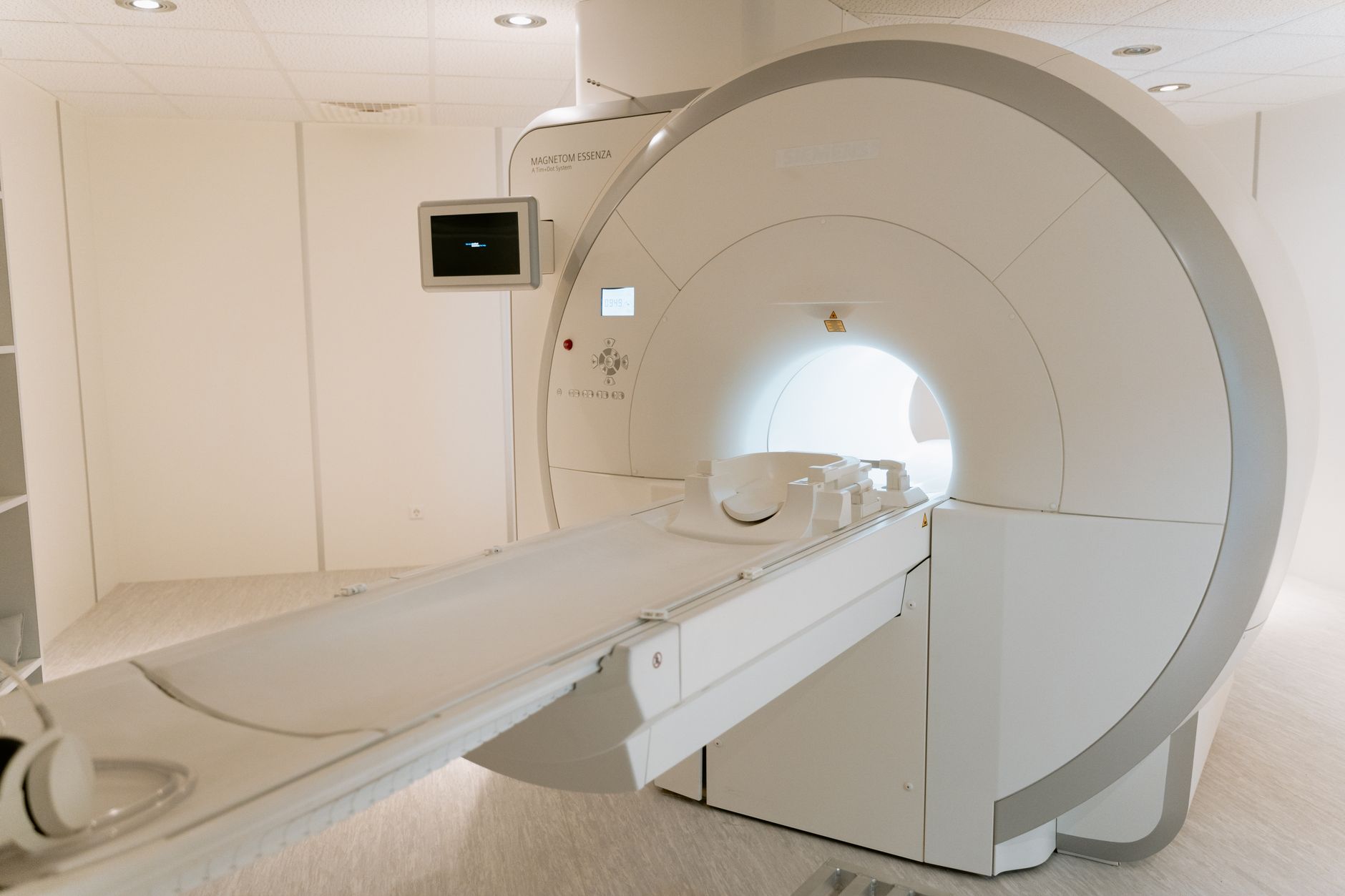
Whether the consolidation ultimately harms patient care or simply redistributes it remains genuinely contested. What is not contested is that independent pulmonology, as a practice model, is becoming harder to sustain. Health systems know this, and many are in no rush to close deals quickly – they can afford to wait until the economics become so difficult for small practices that the negotiating leverage shifts entirely to the buyer.