The Acquisition Wave Hitting Orthopedic Medicine
Regional orthopedic practices – the kind built over decades by two or three founding surgeons with a loyal patient base and a tight referral network – are selling to hospital systems at a pace that would have seemed improbable a generation ago. What was once considered a fiercely independent corner of American medicine, where orthopedic surgeons prided themselves on owning their own implants, running their own ambulatory surgery centers, and answering to no one, is now one of the most actively consolidated specialties in healthcare. The deals are closing fast, the valuations are high, and the physicians doing the selling are, by most accounts, not being dragged into it.
The reasons are structural, financial, and – in some cases – generational. Younger orthopedic surgeons entering the workforce increasingly prefer employment over ownership. They have watched their mentors spend nights on billing disputes and weekends managing staff turnover, and they want none of it. That preference shift is creating a natural alignment with hospital systems that are actively building orthopedic service lines and need trained surgeons to fill them. But the story is not only about young physicians. Senior partners at established groups are also selling, and their motivations are worth examining closely.
Why Orthopedic Groups Are Attractive Targets
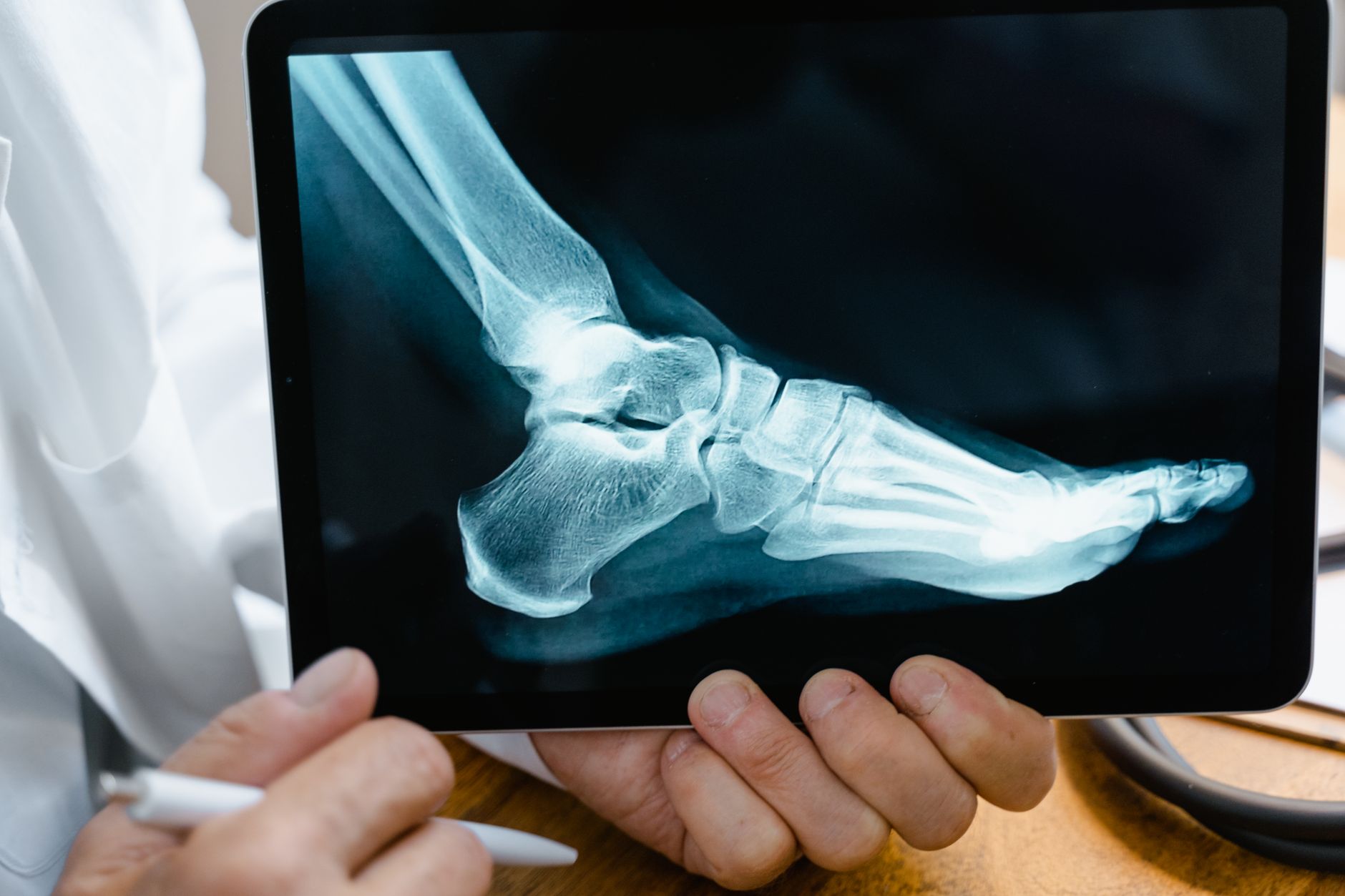
Orthopedics generates revenue that most other specialties cannot match. Joint replacements, spine surgeries, and sports medicine procedures are high-volume, high-margin services that hospital systems depend on for financial stability. When a hospital acquires a regional orthopedic group, it is not simply adding surgeons – it is capturing a referral stream, absorbing an ambulatory surgery center, and locking in the downstream revenue from imaging, physical therapy, and post-acute care. That bundled value is why hospital systems are willing to pay premiums that private equity groups were offering just a few years ago.
Ambulatory surgery centers are particularly attractive in this equation. Many regional orthopedic groups built their own ASCs years ago as a way to capture facility fees that would otherwise go to hospitals. Those same centers are now among the most valuable assets in the transaction. A well-run orthopedic ASC with strong case volume and clean financials can add several million dollars to the purchase price of a group sale, and hospital systems know it.
The referral network dynamic deserves equal attention. A regional orthopedic group that has spent 20 years building relationships with primary care physicians, emergency departments, and sports medicine clinics brings something that a hospital cannot easily replicate by hiring new surgeons. The relationships are personal, built on trust and responsiveness. When the group sells, those relationships transfer – or at least, that is the expectation. Hospital systems are betting that the referral patterns hold after the transaction closes, which is not always guaranteed.
There is also the matter of payer contract leverage. Large hospital systems negotiate from a position of strength with commercial insurers. A regional orthopedic group operating independently may be getting reimbursement rates that are meaningful but not exceptional. Once that group is folded into a health system’s contracting umbrella, reimbursement can increase substantially on the same procedures – without changing a single clinical protocol. That financial upside accelerates the timeline for the hospital to recoup its acquisition cost, and it makes the math work for both sides of the deal.

What the Selling Physicians Are Getting
For the surgeons in a group sale, the financial outcome can be substantial. Orthopedic practices with strong EBITDA and diversified revenue streams are commanding valuation multiples that make the transaction worth more than most physicians would accumulate through a traditional buy-in, work-through, and buy-out cycle over a full career. Add to that the elimination of personal liability associated with practice ownership, the offloading of administrative overhead, and access to hospital-level benefits packages, and the appeal becomes clear.
What they are giving up is harder to quantify but no less real. Independent practice means autonomy – the ability to choose implants without a committee review, to set scheduling without a system-wide template, to make personnel decisions without HR clearance. Some surgeons who complete these transactions report that the clinical freedom they expected to retain in their employment contract erodes within a few years of the sale. That tension between contractual promises and operational reality is one of the reasons a small number of post-acquisition orthopedic groups have seen surgeon departures after the deal closes.
The Hospital System Calculus
Hospital systems pursuing these acquisitions are not acting impulsively. The strategy reflects a deliberate effort to control as much of the orthopedic care continuum as possible – from the first office visit through surgery, rehabilitation, and follow-up imaging. Health systems that have built strong orthopedic service lines have used them as anchors for broader growth, attracting patients who then use other system services. Orthopedics functions as a front door in ways that some other specialties do not.
The competitive pressure is also real. When one health system in a region acquires a dominant orthopedic group, rival systems feel the loss immediately in case volume and referral patterns. That pressure creates urgency. A system that might have preferred to grow organically through recruitment suddenly finds itself in bidding competition to avoid losing market position. In some markets, the acquisition of a single large orthopedic group has set off a cascade of smaller deals as remaining independent practices reassess their standing.
This pattern is playing out in ways that parallel what has already happened in other healthcare sectors. Independent hospice providers have faced similar consolidation pressure from hospital networks, as health systems build out comprehensive care lines from acute treatment through end-of-life services. Orthopedics is earlier in that cycle, which means the window for independent groups to negotiate from maximum strength may be narrowing – not because the demand from buyers will disappear, but because the supply of high-quality independent groups is shrinking with each transaction that closes.
Where This Leaves Independent Holdouts
Not every regional orthopedic group is rushing to sell. Some practices – particularly those with strong ASC ownership, high surgeon productivity, and clean payer contracts – are watching valuations and choosing to wait. Others have structured their practices to remain attractive without requiring a sale, using group purchasing organizations and independent physician associations to gain some of the contracting leverage that hospital affiliation would provide. These groups are betting that their autonomy is worth more than the acquisition premium, at least for now.
The harder question for holdouts is what happens to recruitment. If hospital-employed orthopedic positions continue to offer competitive compensation with none of the capital risk of ownership, attracting young surgeons into an independent model becomes increasingly difficult. A group that cannot replace retiring partners loses volume, which affects payer negotiations, which affects income, which makes selling more attractive – a cycle that is self-reinforcing once it starts. Some of the most vocal defenders of independent orthopedic practice are the same senior surgeons who are five to seven years from retirement, which raises the question of who carries that position forward when they leave.