The Warehouse Floor Is No Longer a Fixed Cost
Regional logistics warehouses have spent decades operating on a straightforward labor model: hire a core workforce, add seasonal temps when volume spikes, repeat. That model worked well enough when retail cycles were predictable and e-commerce was still a secondary channel. Now, with same-day delivery expectations and consumer demand swinging week to week, the old approach leaves operators either overstaffed during slow periods or scrambling to fill shifts when orders surge. The economics have become hard to justify.
What’s replacing it is a more fluid arrangement – on-demand labor platforms that connect warehouses with pre-vetted workers who show up for shifts booked hours or days in advance, not months. The shift is quiet because it doesn’t make headlines the way union negotiations or automation investments do. But across distribution hubs in the Midwest, Southeast, and inland California, warehouse operators are quietly restructuring how they think about headcount entirely.
What On-Demand Labor Actually Looks Like
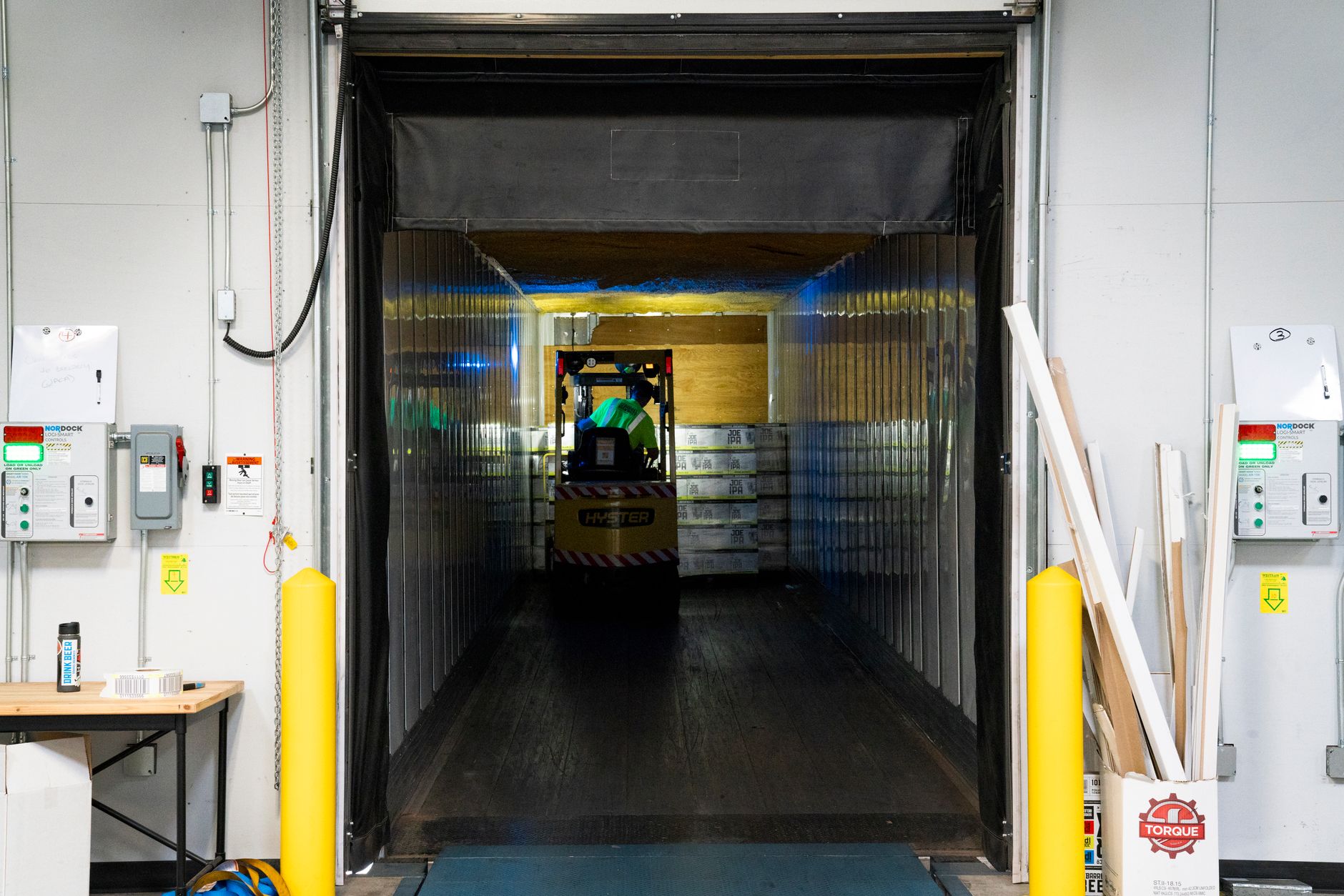
The mechanics are straightforward. A warehouse manager posts available shifts through a staffing platform – sometimes a national app, sometimes a regional broker that has built its own digital layer – and workers who have already completed onboarding, background checks, and basic safety training claim those shifts. By morning, the floor has coverage. The manager didn’t post a job listing, conduct interviews, or wait two weeks for a hire to start. For facilities dealing with variable order volumes, the operational appeal is immediate.
The workforce on the other side of this arrangement is more varied than the gig economy stereotype suggests. Some workers use these platforms as their primary income source, stringing together shifts across multiple facilities. Others treat it as supplemental income alongside a part-time or salaried job. A growing segment appears to be experienced warehouse workers who deliberately prefer flexibility over fixed schedules – a preference that workforce platforms have been quick to advertise as a feature rather than a compromise. Whether that framing holds up over time depends heavily on whether these workers have access to benefits, and most currently do not.
Why Regional Operators Are Moving Faster Than National Chains
Large national distributors and fulfillment centers owned by major retailers have their own staffing pipelines, vendor relationships, and in some cases proprietary labor management software. They can absorb inefficiency because volume is consistent enough to justify a permanent workforce at scale. Regional operators don’t have that cushion. A mid-sized warehouse serving a three-state footprint might handle 40,000 units on a Tuesday and 90,000 on a Friday before a holiday weekend. Keeping staff levels calibrated to that kind of variance through traditional hiring is expensive and slow.
On-demand platforms also reduce the administrative burden that sits between a shift need and a filled shift. Traditional temp agencies require lead time, charge markup fees that stack on top of the worker’s wage, and often deliver workers who haven’t been screened for the specific physical demands of warehouse work. Newer platforms front-load the vetting process so that by the time a worker shows up, the facility already knows their reliability score, injury history, and whether they’ve completed forklift certification.
There’s also a cost structure argument that operators find harder to ignore. Carrying a full-time workforce at 80 percent utilization sounds efficient until you run the math on benefits, overtime liability, workers’ compensation premiums, and turnover-related rehiring costs. The on-demand model shifts much of that overhead off the employer’s books. That doesn’t mean the model is cheaper in every scenario – during sustained high-volume periods, per-shift costs can exceed what a salaried employee would cost. But for facilities where demand is genuinely uneven, the variable cost structure fits the revenue pattern better.
One pattern that’s emerging in markets like Memphis, Columbus, and the Inland Empire is consolidation among the platforms themselves. Early-stage regional apps are either being acquired by larger workforce tech companies or folding outright. That means the warehouses leaning into this model are increasingly dependent on a small number of platforms to supply their contingent labor – a concentration risk that not all operators have fully priced into their thinking.

What Workers Are Getting – and What They’re Not
For workers, the platform model offers real scheduling autonomy. Someone managing a family obligation or a second job can pick up a Tuesday night shift and skip Thursday without consequence. That flexibility has genuine value, and dismissing it entirely misses why workers choose this arrangement voluntarily. The problem is that autonomy doesn’t cover a medical bill, and most on-demand warehouse workers are classified as independent contractors or short-term temps without access to employer-sponsored health insurance, paid leave, or retirement contributions.
State-level labor policy is catching up slowly. Some states are tightening the rules around contractor classification in logistics specifically, which could force platforms to reclassify workers and extend benefits – or exit those markets. How that regulatory friction plays out will shape whether this model remains as financially attractive for operators as it currently appears.
The Technology Layer Underneath It All
What makes this different from the traditional temp agency model isn’t just speed – it’s data. Platforms track attendance, performance ratings, injury incidents, and shift completion rates for every worker on the network. A warehouse operator can filter for workers with a certain reliability score before posting a shift. Over time, a facility can build a preferred pool of contingent workers who know the layout, understand the safety protocols, and don’t require orientation each time they show up. That’s a meaningful operational advantage over cold-start temp placements.
The same data infrastructure also gives platforms the ability to price dynamically. Shifts during peak demand periods – pre-Christmas, Amazon Prime Day cycles, back-to-school – can carry higher pay rates to attract workers when competition for labor is intense. That responsiveness to market conditions is something traditional staffing contracts can’t replicate, and it’s part of why platforms have been able to pull business away from legacy temp agencies in this sector.
What’s less clear is what happens when a platform’s algorithm deprioritizes a worker based on a metric they can’t see or contest. Unlike a traditional employer, the platform has limited accountability for how its scoring systems affect a worker’s ability to find shifts. Several labor advocacy groups are beginning to treat this as a transparency issue rather than simply a wage issue – and in at least one state, legislation requiring platform companies to disclose algorithmic scoring criteria to workers has already been introduced.

That last point may be where the model faces its most serious long-term pressure. Warehouses adopting on-demand labor are solving a real operational problem, but the regulatory and social costs of a contingent workforce at scale haven’t fully landed yet.