The Quiet Exit From Independent Practice
Oral surgery has long been one of the last bastions of independent specialty medicine. Unlike primary care or even orthopedics, oral and maxillofacial surgery practices built their reputations slowly – through referral networks, hospital privileges, and the kind of community trust that takes decades to establish. That reputation, it turns out, is exactly what private equity wants to buy.
Across the country, regional oral surgery groups are signing letters of intent with PE-backed dental service organizations and surgical rollup platforms at a pace that would have seemed unlikely five years ago. The deals are rarely announced with press releases. Partners tend to learn about them through the grapevine, and patients almost never know until a new logo appears on the front door.
Why Oral Surgery Became a Target
Oral and maxillofacial surgery sits in a financially attractive position: it is a cash-heavy specialty with predictable procedure volumes, minimal competition from urgent care alternatives, and a referral pipeline that flows steadily from general dentists. Wisdom tooth extractions, implant placements, and jaw surgeries are not elective in the way cosmetic procedures are – they generate reliable, recurring revenue. PE firms running rollup strategies in healthcare are drawn to exactly this kind of steady cash flow, and oral surgery delivers it with above-average margins relative to primary care or general dentistry.
The consolidation math is straightforward. A solo oral surgeon or a three-doctor group operating independently carries overhead that a centralized management platform can spread across dozens of locations. By centralizing billing, insurance credentialing, supply purchasing, and HR functions, a rollup platform can improve margins without touching the clinical work. That spread is where PE earns its return, and oral surgery’s relatively high procedure fees make the numbers work.

What Sellers Are Actually Getting – and Giving Up
For the oral surgeons doing the selling, the appeal is obvious. After years of running a business alongside running a surgical practice, the administrative burden alone is enough to push many toward the exit. A PE-backed acquirer typically offers a meaningful upfront payment – often structured as a combination of cash and equity in the larger platform – followed by a multi-year employment contract. For surgeons within ten years of retirement, that liquidity event looks like the finish line they’ve been working toward.
What gets less attention in those conversations is what changes after the deal closes. Productivity expectations tend to tighten. Scheduling software owned by the parent company optimizes for chair time and throughput in ways that an independent practice never had to. Staff decisions that used to rest with the founding surgeon increasingly move to a regional or national operations team. Some sellers report that the first two years post-acquisition feel largely unchanged, and then the operational controls begin to tighten gradually.
Referral relationships – the lifeblood of any oral surgery practice – can also become complicated after a sale. General dentists who had personal relationships with the founding surgeon may grow cautious when they realize the practice is now part of a corporate network. Some rollup platforms actively push cross-referral agreements within their own ecosystem, which creates friction with independent referring dentists who feel their patients are being funneled into a system they have no relationship with.
The employment contracts themselves deserve scrutiny. Non-compete clauses in PE-backed healthcare deals have historically been aggressive – covering wide geographic radii for periods of two to five years. For a surgeon who decides the corporate structure isn’t working and wants to return to independent practice, those restrictions can effectively mean relocating or leaving the specialty for a defined period. Contract terms have evolved in some states as legislatures have pushed back on healthcare non-competes, but the enforceability landscape remains uneven.
The Rollup Model Under Stress
PE rollups in healthcare are not uniformly successful, and oral surgery is not immune to the pressures that have stalled or unraveled consolidation strategies in other specialties. The model depends on continuous acquisition to generate the scale that justifies the management overhead. When deal flow slows – whether because valuations cool, because fewer independent practices are willing to sell, or because interest rates make leveraged acquisitions more expensive – the growth thesis gets harder to execute.
Several dental and oral surgery rollup platforms that expanded aggressively between 2018 and 2022 have since restructured debt, replaced leadership, or sold assets at reduced valuations. The practices underneath those platforms typically continued operating, but staff turnover increased and capital investment in equipment slowed. Surgeons holding equity in the parent platform discovered that equity value is not the same as cash, and some have watched that equity become illiquid or worth far less than projected.
What Independent Groups Are Thinking
Not every regional oral surgery group is rushing toward an exit. A number of mid-sized practices are actively building their own shared services infrastructure – pooling billing, negotiating group supply contracts, and formalizing referral networks – specifically to preserve independence while capturing some of the operational efficiencies that make PE offers look attractive. The model requires trust among partner surgeons and usually a willingness to bring in professional management, but it can work without surrendering ownership.
This is a pattern playing out across specialty medicine more broadly. Regional occupational therapy clinics face a similar calculation, where the gap between operational complexity and clinical focus makes outside capital feel like relief rather than a risk. The surgeons who resist consolidation are often the ones who run their practices like businesses from the beginning – tracking margins, investing in staff retention, and treating the referral network as a strategic asset rather than an afterthought.
The Longer Question for Patients
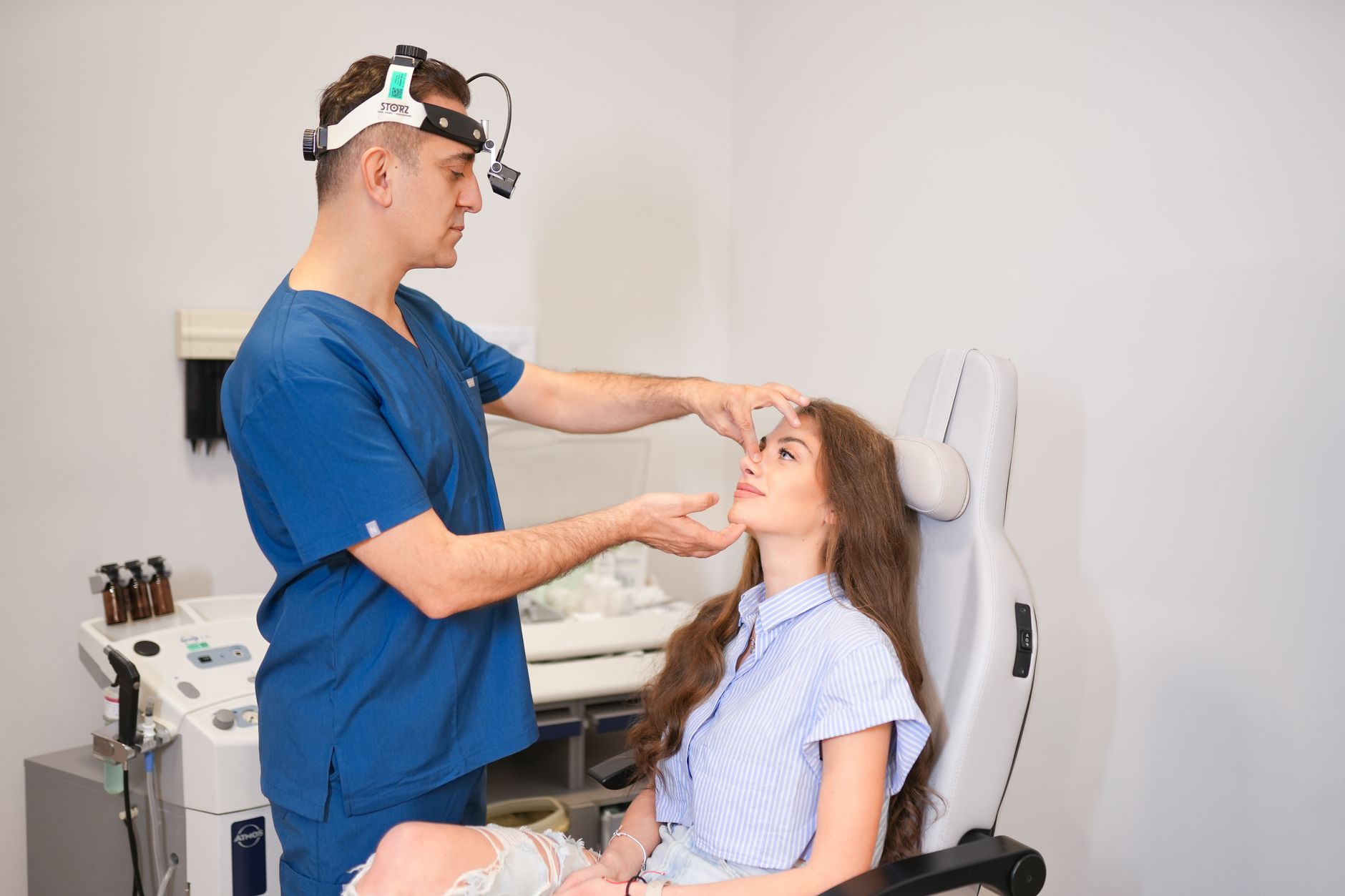
From a patient perspective, the transition from independent practice to PE-backed network is mostly invisible at first. The same surgeons are often still there. The office looks the same. The billing department might be in a different city, but that rarely surfaces during a consultation. What changes over time is subtler – wait times for appointments, the pace of the pre-surgical consultation, the flexibility around payment plans, and whether the front desk has the authority to make judgment calls.
Oral surgery is a specialty where patient anxiety runs high and trust runs deep. People arrive having already been told they need a procedure they would rather not think about. The relationship between that patient and the surgeon matters. Whether a corporate management layer disrupts that relationship depends heavily on how much operational latitude the acquiring platform actually gives its clinical teams – and that varies widely from one rollup to the next.
The oral surgeons currently weighing offers should probably be asking very specific questions: Who controls scheduling? Who can I call if I have a billing dispute on behalf of a patient? What happens to my equity if the platform gets sold to a larger platform? Those questions don’t always get asked in the early conversations, because the upfront number is distracting. And by the time surgeons think to ask them, they’ve often already signed.