The Quiet Consolidation of Environmental Testing
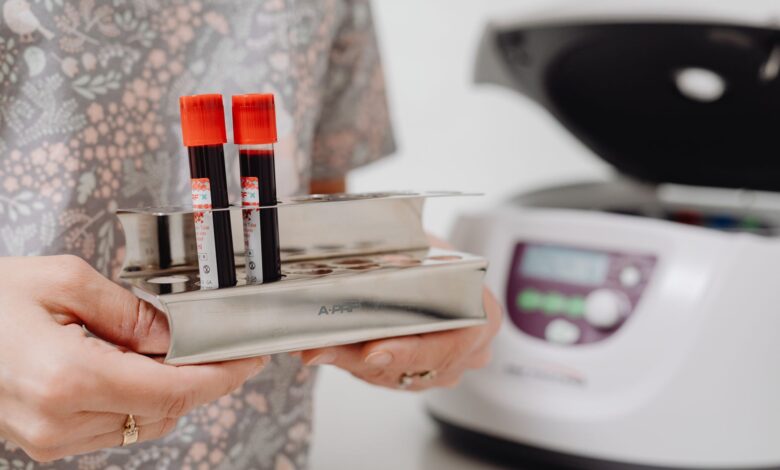
Walk into almost any regional environmental testing lab in the United States, and you will likely find a business that has been family-owned or privately operated for decades – built on relationships with local municipalities, industrial clients, and regulatory agencies. These are not glamorous businesses. They process water samples, soil cores, air quality data, and hazardous waste analyses. They operate under strict accreditation requirements and survive on thin margins. And increasingly, they are selling to Eurofins Scientific, the Luxembourg-based testing conglomerate that has spent the last decade quietly assembling the largest environmental laboratory network in the world.
The pattern has accelerated noticeably over the past several years. Eurofins has executed dozens of acquisitions across North America, targeting labs with regional accreditations, established client rosters, and specialized testing capabilities. Each deal, on its own, barely registers in the business press. But when viewed together, they tell the story of an entire industry being absorbed by a single corporate parent – one transaction at a time.
Why Regional Labs Are Selling Now
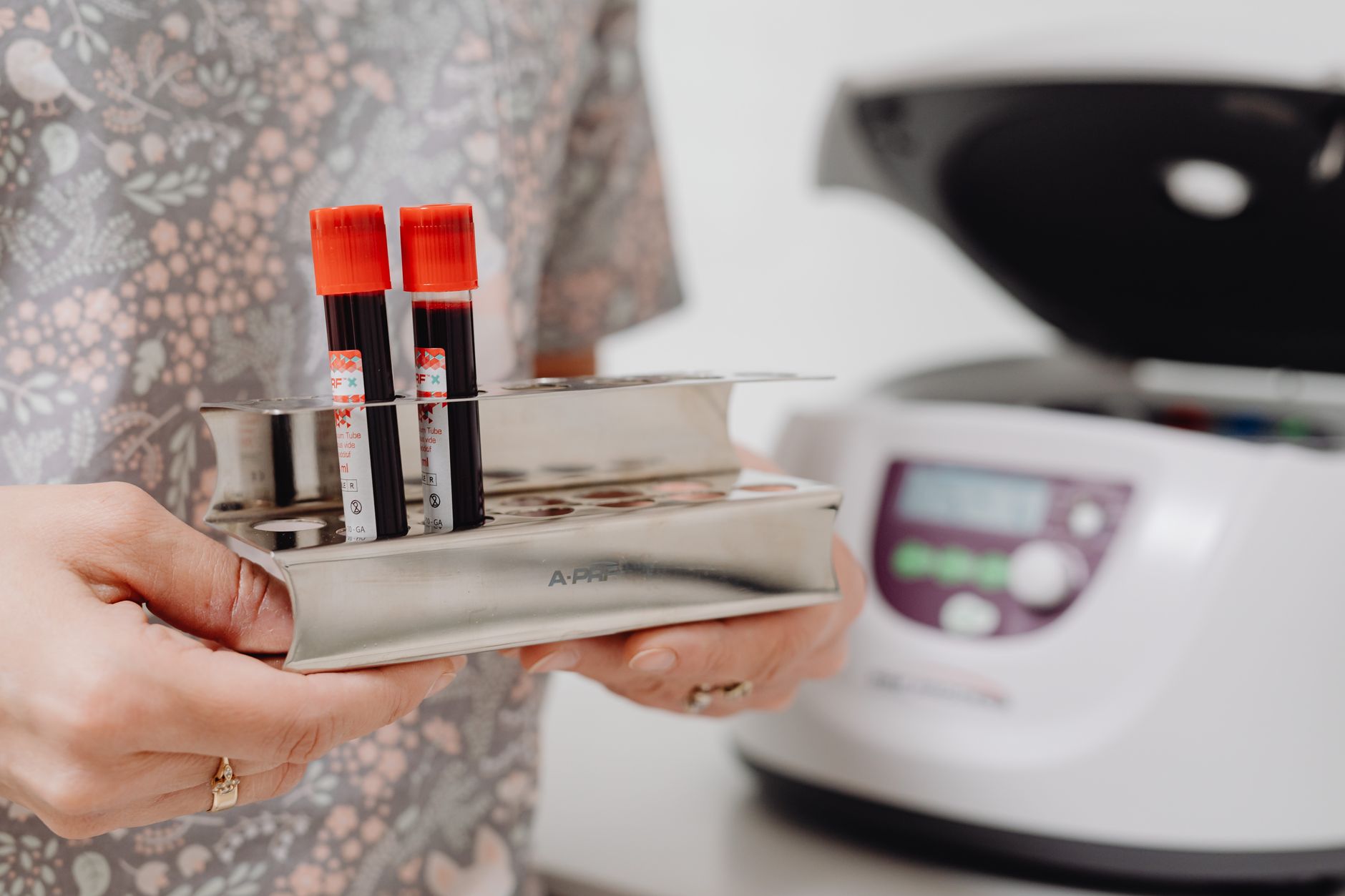
The decision to sell rarely comes from a single pressure point. Most owners of regional environmental labs are navigating a combination of factors that make staying independent harder to justify each year. Accreditation costs have risen as regulatory standards tighten. Equipment upgrades – particularly for methods like PFAS analysis, which require high-sensitivity instrumentation – demand capital investments that smaller operations struggle to finance. At the same time, federal and state environmental spending creates bursts of sample volume that independent labs often lack the staffing flexibility to absorb. The business has always required precision. It now also requires scale.
Succession is the other engine driving deals. The founders who built regional labs in the 1980s and 1990s, often after careers at the EPA or state environmental agencies, are now in their sixties and seventies. Their children frequently have no interest in running a laboratory accredited under 40 different state programs while managing a fleet of sampling trucks. Eurofins offers those founders a clean exit: a fair multiple, retention of staff (at least initially), and the assurance that the client relationships they spent careers building will continue to be serviced.
How Eurofins Builds Its Network
Eurofins does not operate like a traditional private equity rollup, where the goal is rapid cost-cutting followed by a quick resale. The company’s strategy is closer to permanent aggregation – buy labs, integrate their accreditations and client lists into the broader network, and use centralized infrastructure to improve margins over time. Acquired labs often retain their local brand names for a period, which matters in a business where trust with municipal water authorities and state regulators is built over years of consistent performance.
The accreditation angle is particularly important and frequently underappreciated. Environmental testing labs must hold state-specific accreditations to legally analyze samples from those jurisdictions. A lab in Ohio holding certifications from 35 states represents years of audit cycles, proficiency testing, and regulatory correspondence. Buying that lab means buying those accreditations – or at minimum, the operational history that makes maintaining them straightforward. For Eurofins, acquiring a well-credentialed regional operation is faster and cheaper than building one from scratch.
PFAS contamination testing has become a specific growth driver. As the EPA has moved toward enforceable maximum contaminant levels for PFAS compounds in drinking water, utilities across the country now face mandatory monitoring requirements. The demand for compliant, high-throughput PFAS testing has surged, and only labs with the right instrumentation and method validations can legally perform it. Eurofins has positioned its network to capture that demand, and its acquisition strategy increasingly targets labs with existing PFAS capabilities or the facility footprint to install them efficiently.
There is also a straightforward competitive logic at work. A regional lab competing against Eurofins for a statewide utility contract is, in practical terms, competing against a company with hundreds of labs, centralized logistics, and the ability to offer pricing that reflects a cost structure no single-location operation can match. For many independent owners, selling to Eurofins removes a competitor they were already losing ground to.
What This Means for Clients and Regulators
Consolidation in environmental testing creates a tension that does not resolve neatly. On one hand, larger networks offer faster turnaround times, broader geographic coverage, and the financial stability to maintain rigorous quality systems. A national infrastructure client needs to know that its samples, collected across multiple states, can all be processed by accredited facilities without routing delays. Eurofins can provide that. A single-location regional lab often cannot.
On the other hand, the environmental testing industry exists specifically to provide an independent check on pollution, contamination, and regulatory compliance. When a handful of large corporate networks control most of the accredited testing capacity in a given region, questions about redundancy and competition become regulatory concerns. State environmental agencies depend on a functioning market of testing providers to ensure that labs have incentives to maintain quality. That market becomes harder to sustain when smaller competitors are steadily absorbed.
The Broader Rollup Pattern
Environmental testing is not the only professional services sector undergoing this kind of quiet consolidation. Regional plumbing contractors have been selling to private equity rollups at a similar pace, driven by the same combination of succession pressure, capital requirements, and the difficulty of competing against better-resourced national platforms. The mechanics differ, but the underlying dynamic is consistent: businesses that built local advantages over decades are finding that local advantages no longer insulate them from operators with national scale.
What makes Eurofins a somewhat different case is that it is a strategic acquirer rather than a financial one. Private equity firms buying regional labs are typically working toward an exit. Eurofins is not. It is building a permanent infrastructure business, which means acquired labs are unlikely to be resold – they are absorbed into a network designed to compound over time. For employees and clients of acquired labs, that distinction matters. It means fewer ownership changes, but it also means that the decision-making center is in Luxembourg, not in the lab down the street.

The Labs Still Holding Out
Not every regional lab owner is ready to sell, and a meaningful number are actively resisting the pressure. Some have found a defensible niche – specializing in a testing category where Eurofins has limited presence, or building deep enough relationships with state agencies that switching costs protect their position. Others are pursuing mergers with fellow independent labs to build enough scale to stay competitive without giving up ownership. These strategies can work, but they require a level of operational investment and strategic focus that not every owner is positioned to sustain.
A few states have also seen informal coalitions form among independent lab owners, sharing accreditation resources and sample routing arrangements to compete more effectively on larger contracts. Whether those arrangements are enough to slow the consolidation is unclear. What is clear is that the window for independent labs to establish a durable competitive position is narrowing. Eurofins is not pausing its acquisition activity while the holdouts deliberate – it is continuing to purchase the competitors and capabilities it needs, one regional lab at a time, and the map of independent testing capacity in the United States grows smaller with each closed deal.