Regional Diagnostic Imaging Centers Are Quietly Selling to Radiology Partners

Independent radiology practices across the country are being absorbed into larger networks at a pace that would have seemed unlikely even five years ago. The transactions are rarely splashy – no press conferences, no industry headlines – but the pattern is consistent enough that it now defines how diagnostic imaging is being reorganized from the ground up.
Why Independent Centers Are Selling Now
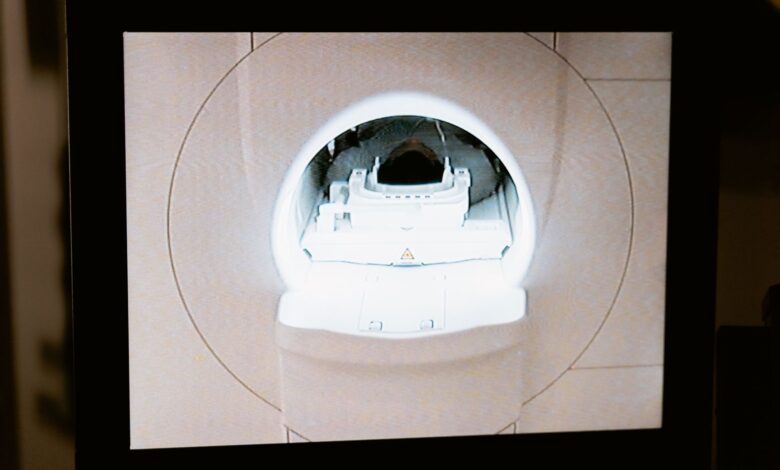
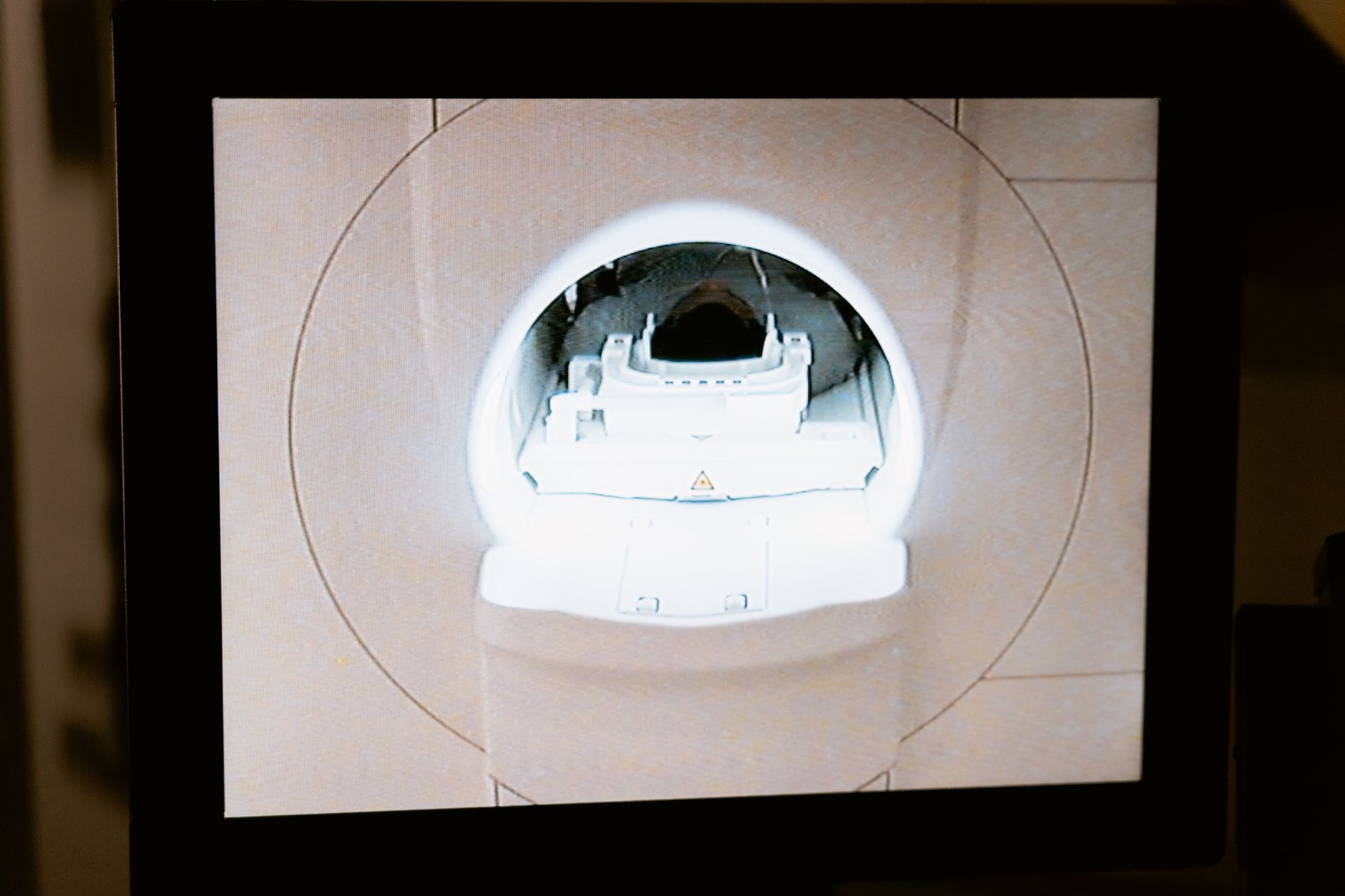
The economics of running a standalone imaging center have tightened considerably. Equipment cycles are shorter, reimbursement rates from both private insurers and Medicare have compressed, and the administrative burden of credentialing, billing compliance, and prior authorization has grown into a full-time operation that many smaller practices are not staffed to handle efficiently. When the cost of a new MRI suite alone can run into the millions, and reimbursement for a single scan continues to drop, the margin for error shrinks to a point where partnership starts to look less like surrender and more like survival.
There is also a generational element at work. A significant portion of independent imaging center owners are radiologists who built their practices over two or three decades. When retirement approaches, the traditional path of selling to a younger partner or a junior associate has become harder to execute. Fewer radiologists entering the field want to take on the financial risk of ownership when employment at a large group offers a stable salary, negotiated benefits, and no capital exposure. The result is that retirement-age owners often find themselves with a valuable asset and no obvious internal buyer.
Radiology consolidators – typically private equity-backed platforms or physician-led networks with institutional backing – have positioned themselves as the ready answer to that problem. They offer liquidity, operational continuity, and in many cases, the promise that the selling physician can stay on as a contracted radiologist without the headaches of ownership. For a physician who still loves the clinical work but has grown exhausted by the business side, that structure is genuinely attractive.
The deals themselves tend to be structured as partial buyouts or joint ventures rather than outright acquisitions, which makes them easier to complete and easier to market to staff and referring physicians. The original owner retains some equity stake while the acquiring platform takes operational control. It is a structure that softens the psychological impact of a sale and reduces the risk that key staff leave or that referring physicians perceive a disruption in care quality.

How the Consolidation Model Actually Works
The radiology platform model works by aggregating what are essentially high-margin, asset-heavy businesses and then creating shared infrastructure across them. When a platform acquires five or six imaging centers across a metro region, it can centralize billing, negotiate better rates with equipment vendors, consolidate overnight reading coverage, and build a technology layer – scheduling, reporting, electronic health record integration – that no individual center could afford to build on its own. The per-center cost of that infrastructure drops sharply as the network grows, which is precisely why scale is the whole strategy.
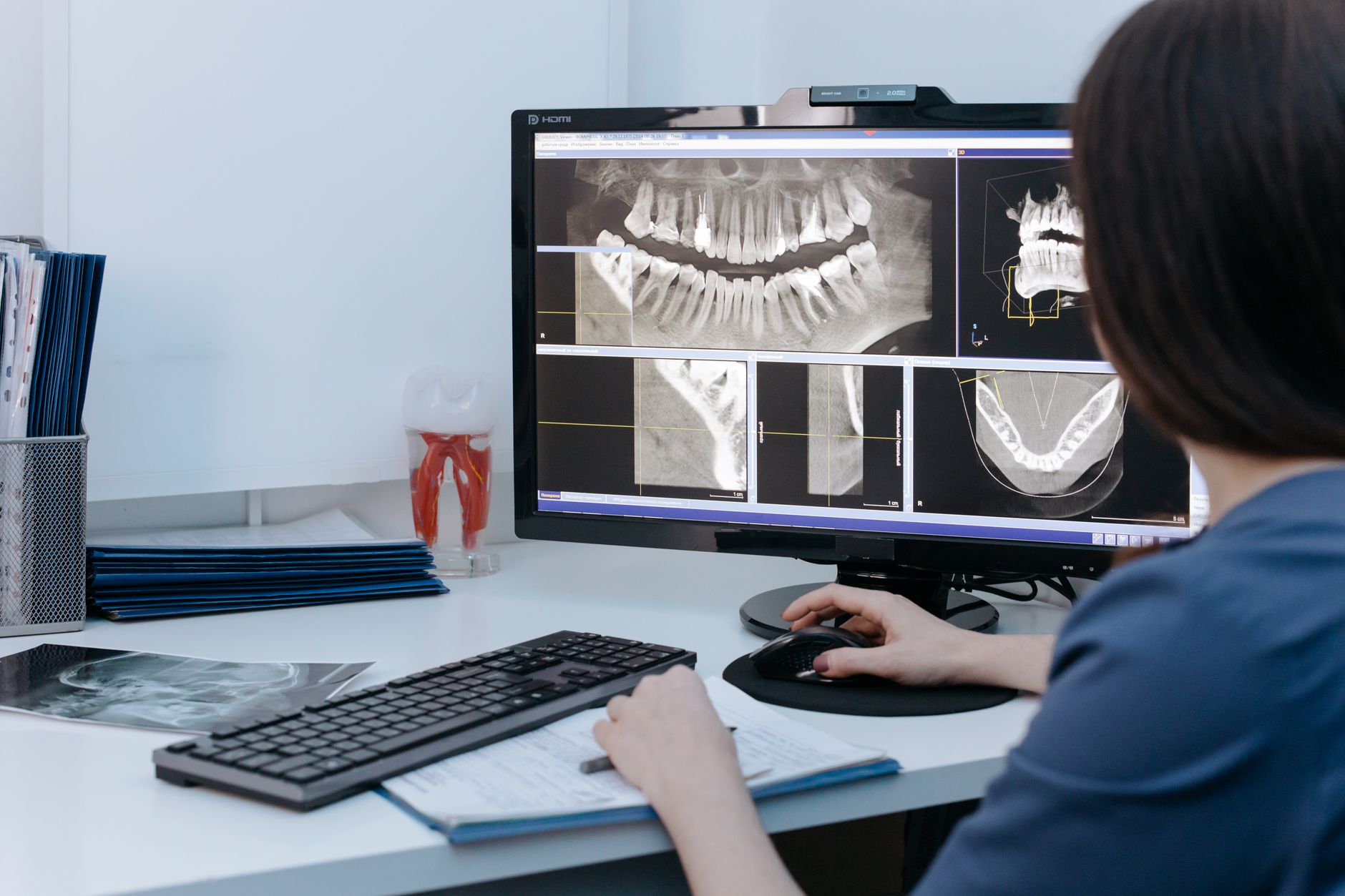
Teleradiology is a major enabler of this model. Reading can now be done remotely, which means a platform does not need a radiologist physically present at each site. Instead, a centralized reading team handles volume across the network, often with subspecialty readers available on-call for complex cases. That concentration of reading capacity reduces labor cost and increases throughput without requiring the platform to hire proportionally as it adds locations.
What happens to patient experience in this transition is more complicated. Referring physicians often notice a shift in responsiveness once a local center is absorbed. The informal relationship between a community-based radiologist and the internists or orthopedic surgeons who have been sending patients for years tends to erode as the practice becomes more operationally systematized. Turnaround times for routine reads may improve. But the ability to call the radiologist directly for a quick conversation about an ambiguous finding – a feature that community physicians consistently value – becomes less reliable when that radiologist is reading for 12 facilities simultaneously.
The platform model also changes how disputes over reimbursement and access get resolved. Independent centers typically have direct relationships with local insurer representatives. When a billing issue arises, there is a human on both sides of the phone. At a large platform, payer negotiations happen at the corporate level, and individual centers are largely passengers in those contract cycles. Some centers that entered joint ventures with large platforms have found themselves out of network with payers they had maintained relationships with for years, while the platform worked through its broader contracting strategy.
Private equity involvement adds another layer of complexity. PE-backed platforms operate on defined fund timelines, typically five to seven years, after which the portfolio is sold or recapitalized. For the radiologists who sold into a platform expecting long-term operational stability, that timeline can produce an unwelcome second transaction – this time, not one they chose. The practice they sold to a regional platform may end up inside a national one before the original deal has fully settled.
What the Shift Means for Local Markets
The consolidation of diagnostic imaging is already affecting how smaller markets access specialized radiology services. When a dominant platform controls most of the imaging capacity in a mid-size metro area, it acquires significant leverage over hospital systems that depend on outpatient referral pipelines. Some hospital systems have responded by launching their own outpatient imaging centers to compete directly, while others have entered formal partnerships with platforms rather than risk being sidelined. The result in certain markets is a two-player dynamic that leaves little room for truly independent operators.
The independent centers that have so far resisted acquisition share a few characteristics. They tend to have strong subspecialty reputations – a breast imaging program with a loyal referring base, for instance, or a musculoskeletal practice tied closely to a regional orthopedic group. They also tend to have owners who have deliberately stayed small enough to avoid the capital pressure that forces the sale decision. But that position grows harder to maintain as equipment ages, as payer contracting shifts toward volume-based arrangements that favor large networks, and as younger radiologists increasingly decline to buy in. The question for those holdouts is not whether the pressure will arrive, but how long they can absorb it before the calculus changes.
Frequently Asked Questions
Why are independent imaging centers selling to larger radiology groups?
Compressed reimbursement rates, rising equipment costs, and a lack of internal succession options are pushing owners toward acquisition, especially those nearing retirement.
How do private equity-backed radiology platforms make money from these acquisitions?
They centralize billing, reading, and technology infrastructure across multiple centers, reducing per-site costs while increasing network volume and payer negotiating leverage.