A Quiet Consolidation Taking Hold
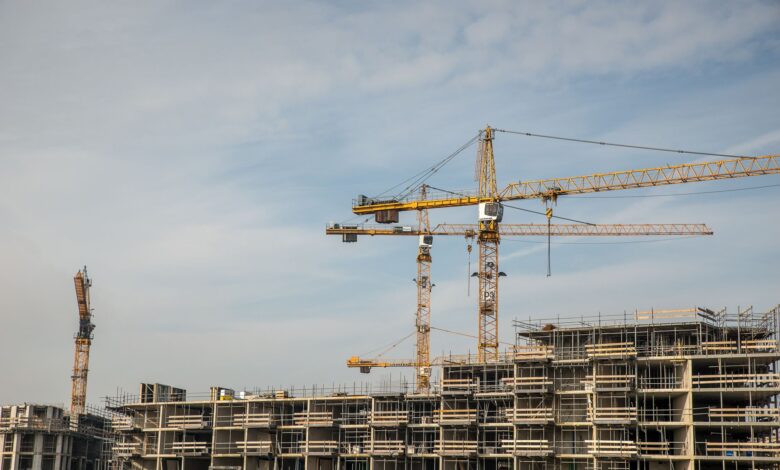
Across the American industrial heartland, a pattern is repeating itself with little fanfare: family-owned crane and rigging companies that have operated for decades are signing over their keys to Maxim Crane Works, one of the country’s largest heavy lift operators. The deals are happening in ones and twos, in markets like the Gulf Coast, the Ohio Valley, and the industrial corridors of the mid-Atlantic, and they are not generating much noise. No press conferences, no splashy announcements – just a local company quietly folding into a national platform.
Maxim Crane Works has been methodically expanding its geographic footprint through targeted acquisitions of regional operators who own specialized equipment, trained crews, and long-standing customer relationships that would take years to build from scratch.
This is not a new story in American industry. But the crane and rigging sector has held out longer than most.
Why Now, and Why These Sellers
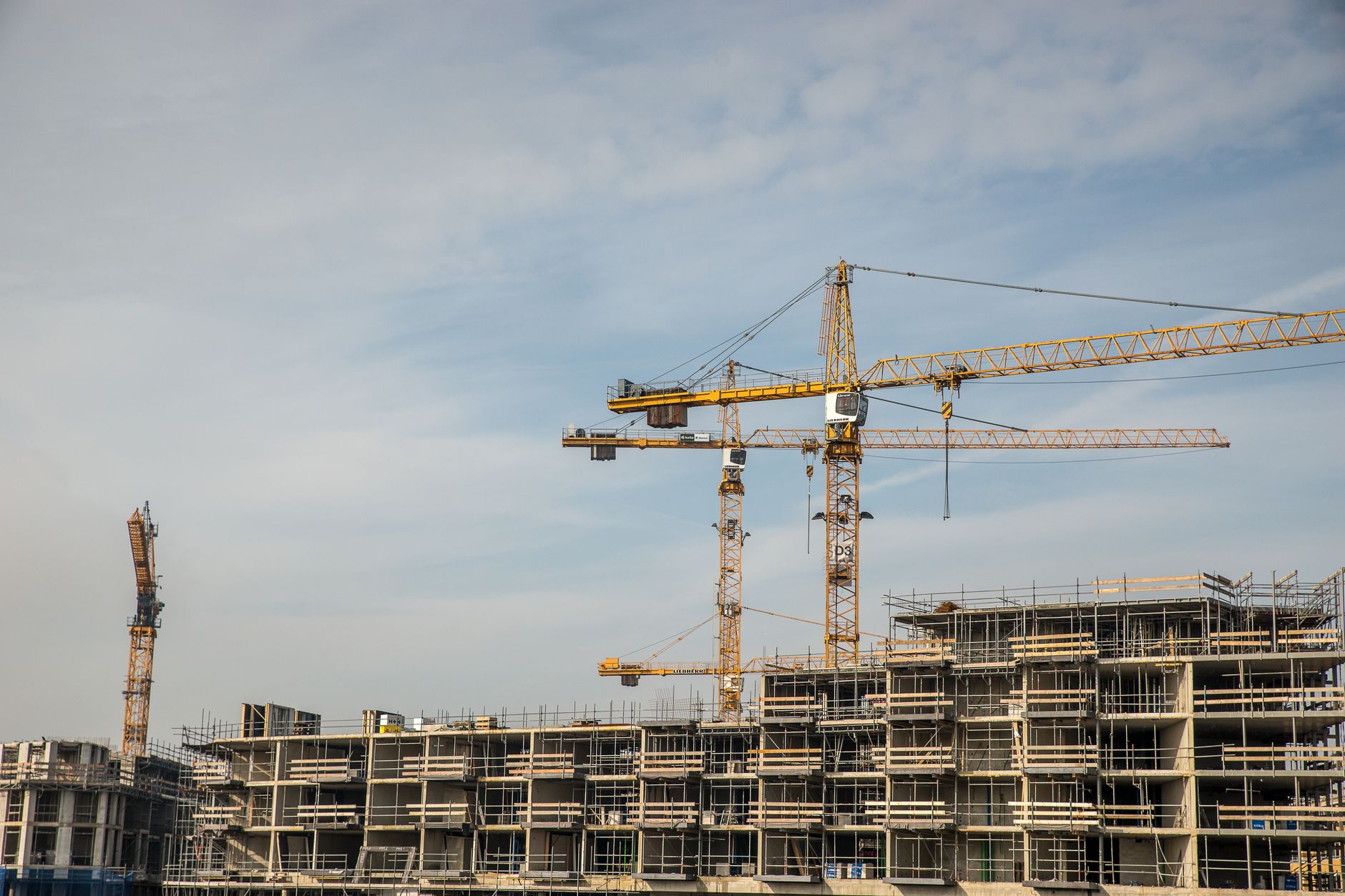
The economics of running a regional crane company have grown harder to ignore. Modern all-terrain cranes and crawler cranes can cost anywhere from several hundred thousand dollars to well over a million per unit, and that is before factoring in maintenance, insurance, operator certification, and the increasingly complex permitting environments that govern heavy lift work. For a founder approaching retirement age with no clear successor in the family, the math of staying independent starts to look less attractive every year that passes.
What Maxim offers is not just a purchase price – it is an exit with infrastructure attached. Sellers often retain their local management team and workforce in place, at least in the short term, which makes the transition palatable to longtime employees and to the industrial clients who rely on those relationships. A refinery operator in Louisiana or a construction manager building a bridge in Pennsylvania does not necessarily care who owns the crane company, as long as the project manager who answers the phone is the same one they have worked with for fifteen years. Maxim understands this, and structures its acquisitions accordingly.
There is also a generational pressure at work. Many of the founders now entertaining acquisition offers built their businesses during the infrastructure and energy booms of the 1980s and 1990s. Their companies are profitable, their equipment is maintained, and their reputations are solid – but the next generation either is not interested in the business or is not ready to take on the capital demands of growing it. Selling to a national operator resolves all of those tensions at once.

What Consolidation Actually Does to a Market
When a sector consolidates this way, the effects tend to be gradual and uneven. In the short term, customers often see little change – the local office still answers calls, the crews still show up, and the equipment looks the same. But pricing power concentrates over time. A market that once had three or four competing regional crane companies bidding against each other for a large industrial shutdown project may eventually have one national operator with a local presence and a rate card that does not flex the same way a hungry independent’s did.
This dynamic has played out across heavy industries before. The pattern is familiar enough that it has drawn regulatory attention in sectors like waste management and water infrastructure – where regional water treatment firms have sold to large national operators under similar pressures. Crane and rigging, being more fragmented and less regulated at the ownership level, has attracted less scrutiny so far.
For the workers on the ground, the calculus is mixed. National operators typically bring better benefits packages, more formalized safety programs, and greater job stability than a small regional shop can guarantee. What they sometimes lose is the flexibility and informal culture that made the original company a place where experienced operators stayed for decades rather than years.
The Sellers Who Are Holding Out – and Why That May Not Last
Not every regional crane firm is ready to sell. Some second-generation owners are actively investing in newer equipment, expanding into specialized lift categories like wind energy or petrochemical turnarounds, and positioning themselves as premium independents rather than acquisition targets. A handful of regional players have grown large enough through their own acquisitions to compete with national operators on major project bids without needing to join one. These companies represent the exception, and their ability to stay independent depends heavily on continued capital access and the willingness of their ownership to keep reinvesting rather than taking chips off the table.
The question hanging over the sector is what happens to project competition and pricing in markets where Maxim – or any single large operator – owns most of the meaningful lifting capacity. Industrial clients negotiating crane contracts in a consolidated market will have fewer levers to pull, and the informal relationships that once let a plant manager call three local companies and get honest competitive bids may no longer exist in the same form. That is the unresolved tension underneath a consolidation story that still looks, from the outside, like a quiet series of unremarkable local business sales.