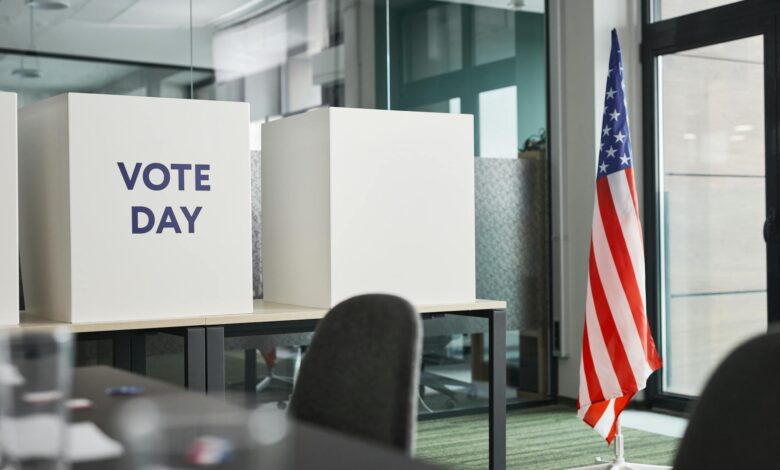
Independent voters are shattering early voting records across the country, fundamentally reshaping the dynamics of electoral participation just weeks before the general election. Voter registration databases show unaffiliated voters now comprise the fastest-growing segment of early ballot returns in competitive states.
The surge reflects a broader disenchantment with partisan politics among Americans who refuse to align with either major party.
This demographic shift carries profound implications for campaign strategies, polling accuracy, and ultimately, election outcomes that traditional models struggle to predict.
The Numbers Behind the Independent Surge
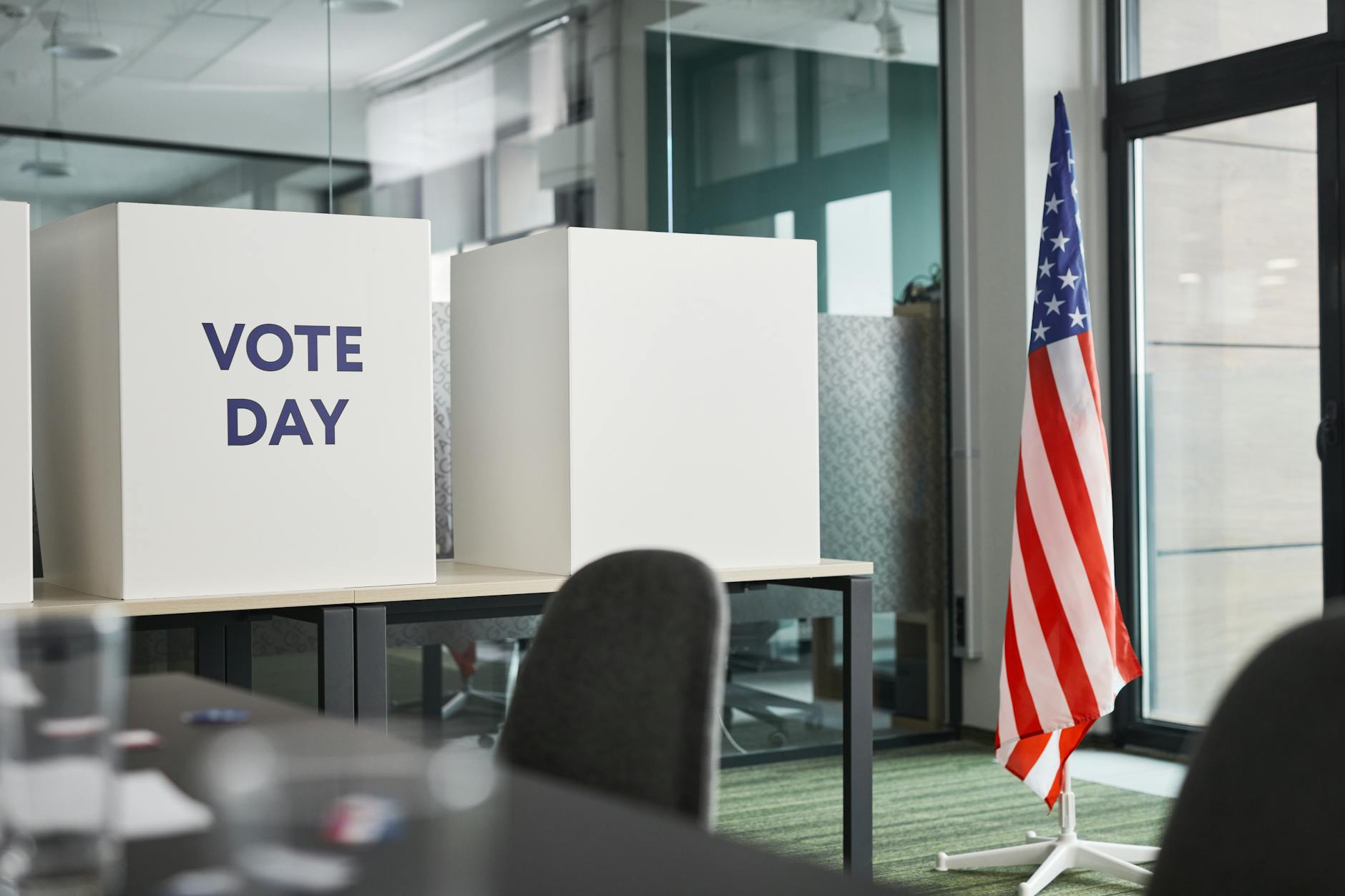
Early voting data reveals independent participation rates jumping by double digits compared to previous midterm cycles. In North Carolina, unaffiliated voters account for nearly 28% of early ballots cast, up from 22% during the 2020 election cycle. Similar patterns emerge in Nevada, where independent early voting participation has increased by 15% over 2018 levels.
These voters don’t follow traditional partisan turnout models. Where party-affiliated voters often mirror historical patterns of when and how they cast ballots, independents demonstrate more erratic but intense engagement. They’re more likely to vote early when motivated but also more likely to skip elections entirely when uninspired. The current surge suggests this election cycle has captured their attention in ways that standard midterm contests typically don’t.
Registration trends support this theory. States that allow party switching report thousands of voters changing from Republican or Democrat to unaffiliated status over the past two years. Colorado processed over 47,000 such changes since 2022, while New Hampshire saw a 12% increase in undeclared voters during the same period. The movement represents more than statistical noise – it signals a genuine realignment of how Americans view political identity.
What Drives Independent Voters to the Polls
Independent voters respond differently to campaign messaging than their partisan counterparts. Traditional appeals to party loyalty fall flat, while issue-based arguments and candidate character assessments carry more weight. Polling consistently shows independents prioritize specific policy outcomes over ideological consistency, making them harder to mobilize but more decisive when engaged.
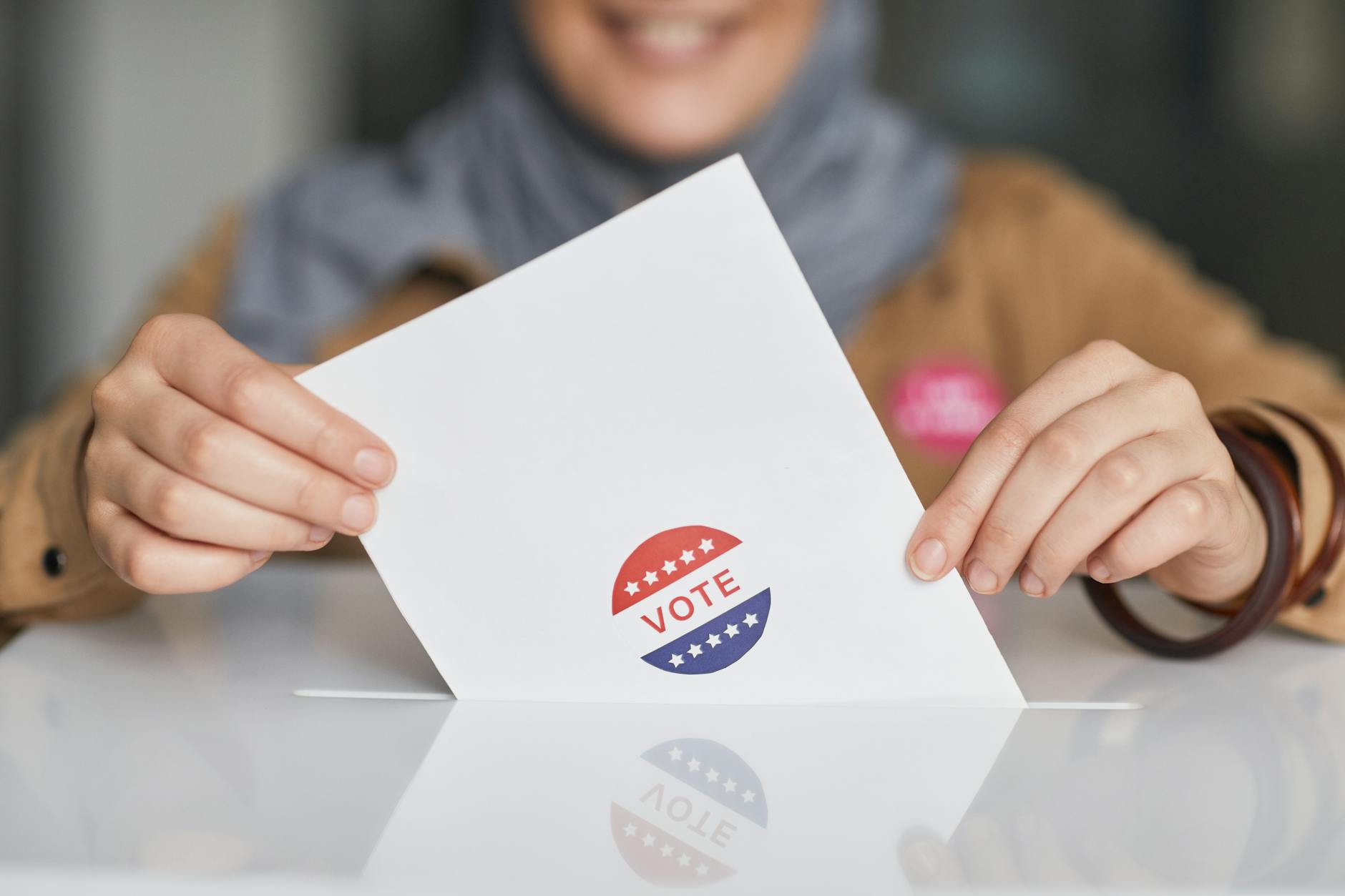
Local races often motivate independent participation more than federal contests. School board elections, city council races, and ballot initiatives directly impact daily life in ways that feel tangible compared to abstract partisan battles in Washington. This election cycle features numerous high-stakes local contests that align with independent voter priorities: education funding, infrastructure projects, and municipal governance reforms.
The rejection of negative campaigning also distinguishes independent voters from party loyalists. Research shows they’re more likely to support candidates who avoid personal attacks and focus on policy specifics. This preference explains why some traditionally safe districts now appear competitive – incumbents who relied heavily on partisan messaging find themselves vulnerable to challengers who appeal directly to unaffiliated voters with concrete proposals rather than ideological rhetoric.
Electoral Implications and Campaign Responses
Political campaigns are scrambling to adjust their voter outreach models to account for independent participation patterns. Traditional get-out-the-vote operations rely on partisan voter files that identify reliable supporters, but independents don’t fit these categories. Their voting history provides fewer clues about future behavior, making targeted outreach more expensive and less reliable.
Polling accuracy faces new challenges when independent voters comprise larger shares of the electorate. Most polling models weight responses based on historical turnout patterns by party affiliation. When independents vote at unexpectedly high rates, these models can miss significant shifts in voter preference. The phenomenon helps explain why some recent elections have produced results that deviated substantially from pre-election polling predictions.
Primary election outcomes increasingly depend on independent participation in states that allow unaffiliated voters to choose which party primary to enter on election day. This flexibility gives independents outsized influence in candidate selection, often favoring moderates over ideologically pure options that appeal primarily to party bases. The trend may accelerate if independent voter growth continues at current rates.

The early voting surge among independents signals a potential permanent shift in American electoral behavior rather than a temporary reaction to current political circumstances. These voters represent the fastest-growing segment of the electorate, yet they remain the least understood by campaign professionals who built their careers around partisan mobilization strategies that no longer apply to an increasing share of the voting population.