
The Senate chamber hasn’t seen change like this in generations. Women of color are positioned to shatter electoral ceilings across multiple states this November, potentially reshaping the upper chamber’s composition in ways that would have seemed impossible just a decade ago.
At least twelve women of color secured major party nominations for Senate seats in 2024, marking the largest field in American history. Their campaigns span from deep-red strongholds to purple battlegrounds, signaling a fundamental shift in candidate recruitment and voter expectations. The trend reflects broader demographic changes nationwide, where communities of color increasingly demand representation that mirrors their lived experiences.
This electoral moment builds on decades of gradual progress. When Kamala Harris left the Senate in 2021 to become Vice President, only one woman of color remained in the chamber. Today’s candidates represent diverse professional backgrounds – from state attorneys general to military veterans, from tech executives to community organizers. Their presence on ballots from Arizona to Georgia demonstrates how political parties are adapting to an evolving electorate.

Breaking Through in Competitive Races
Several high-profile contests feature women of color as front-runners or strong contenders. In Arizona, Democratic nominee Ruben Gallego faces a competitive race that could flip a traditionally Republican seat. Meanwhile, Republican candidates of color are making inroads in states where their parties historically struggled to field diverse nominees.
The financial backing behind these campaigns tells its own story. Female candidates of color collectively raised record-breaking amounts in the first half of 2024, according to Federal Election Commission data. Small-dollar donations comprise a significant portion of their war chests, indicating grassroots enthusiasm that extends beyond traditional Democratic strongholds.
Campaign strategies have evolved beyond standard playbooks. Many candidates emphasize kitchen-table issues – healthcare costs, childcare accessibility, economic mobility – while weaving in personal narratives that resonate across racial and ethnic lines. This approach appears to be paying dividends in polling, where several races remain within the margin of error despite historical voting patterns.
The influence of social media algorithms on congressional election outcomes has particularly benefited these candidates, who often excel at digital organizing and direct voter engagement through platforms their opponents struggle to navigate effectively.
Overcoming Historical Obstacles
The path to viable Senate campaigns for women of color has been fraught with structural barriers. Campaign finance networks, endorsement hierarchies, and media coverage patterns historically favored white male candidates. Recent cycles show these gatekeeping mechanisms gradually loosening, though challenges persist.
Name recognition remains a significant hurdle. Unlike House races, Senate campaigns require statewide visibility and coalition-building across diverse geographic regions. Several 2024 candidates spent years building profiles through state-level offices, military service, or business leadership before launching federal bids.
Opposition research and attack advertisements targeting these candidates often employ coded language or focus disproportionately on personal backgrounds rather than policy positions. Campaign managers report increased security concerns and online harassment compared to previous electoral cycles. These factors add complexity and cost to already expensive statewide races.

Endorsement patterns reveal changing power dynamics within both major parties. Traditional kingmaker organizations are sharing influence with newer advocacy groups, labor unions representing diverse workforces, and celebrity endorsements that carry surprising weight with younger voters. This diversification of endorsement sources has created multiple pathways to credibility for previously overlooked candidates.
Policy Platforms and Voter Appeal
The substantive focus of these campaigns extends far beyond identity politics. Climate change proposals, healthcare reform, and economic inequality feature prominently across candidate platforms. Many emphasize pragmatic solutions over ideological purity, appealing to moderate voters who determine outcomes in swing states.
Immigration policy presents both opportunities and challenges. Candidates with personal or family immigration experiences bring authentic perspectives to debates over border security and pathway to citizenship proposals. However, they must navigate complex political terrain where nuanced positions can be weaponized by opponents.
Criminal justice reform represents another area where these candidates often stake out distinctive positions. Many advocate for police accountability measures while emphasizing public safety concerns that resonate in suburban communities. This balance reflects careful attention to coalition-building across demographic lines.
Education policy, particularly around college affordability and student debt relief, emerges as a unifying theme. Several candidates propose innovative financing mechanisms or expanded vocational training programs that appeal beyond traditional Democratic constituencies.
National Implications and Future Trends
The success or failure of these campaigns will influence candidate recruitment strategies for years to come. Political action committees and party organizations are closely monitoring which messaging approaches and coalition-building tactics prove most effective. Early indicators suggest that authenticity and local connection matter more than national political trends in many races.
The broader electoral landscape shows signs of permanent change rather than temporary fluctuation. Demographic projections indicate that communities of color will comprise increasingly large shares of the electorate in key battleground states. Third-party candidates gaining ballot access in presidential swing states adds another variable that could influence down-ballot races in unexpected ways.
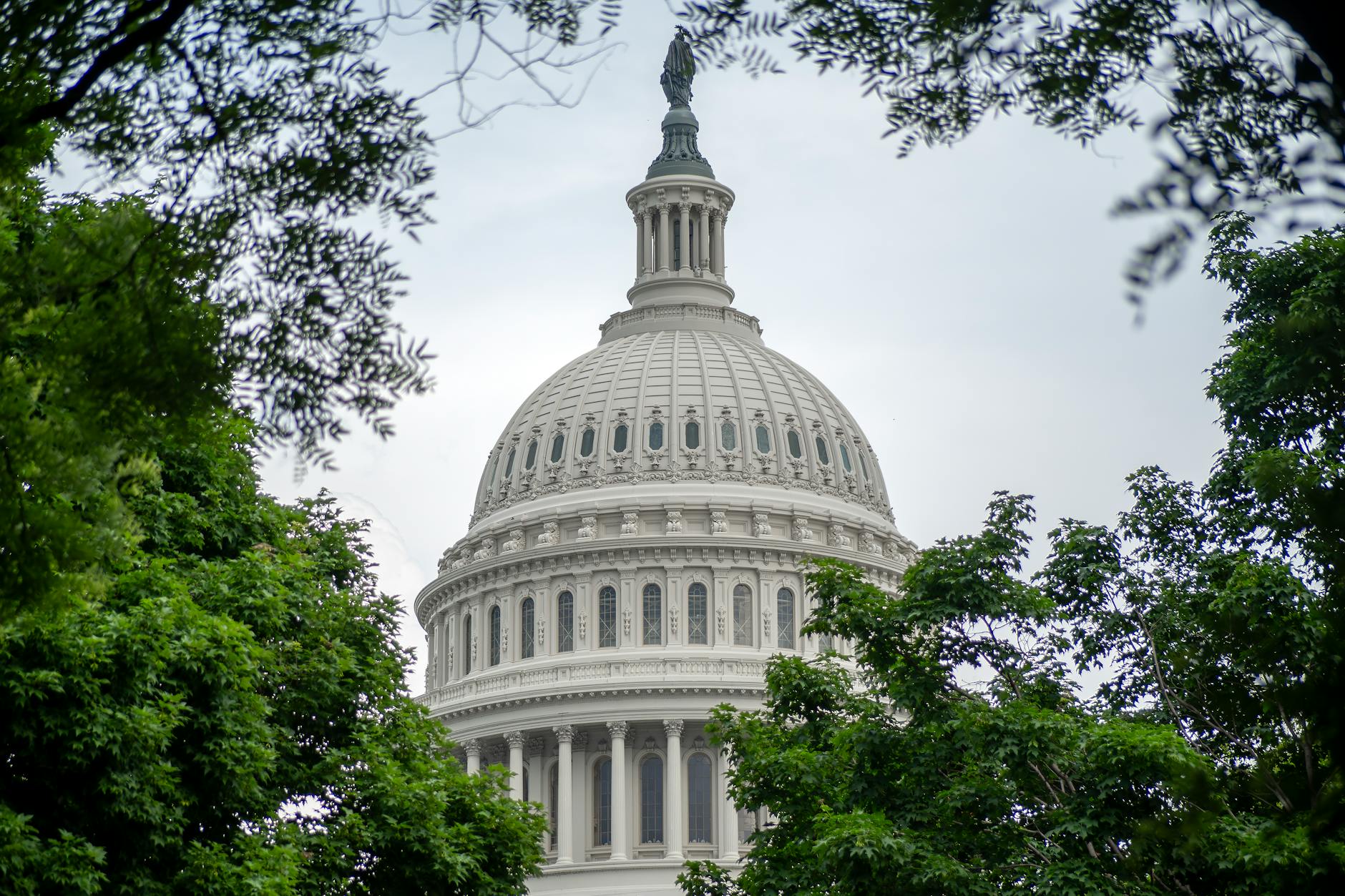
The 2024 results will likely accelerate or decelerate similar candidacies in future cycles. Success stories will become templates for replication, while defeats will prompt analysis of strategic missteps and structural barriers that remain insurmountable. The implications extend beyond individual careers to the fundamental question of whether American political institutions can adapt to reflect the nation’s changing demographics.
If current polling trends hold through November, the 2025 Senate could feature the most diverse class of women of color in its history. Their presence would not only change the chamber’s composition but also influence committee assignments, legislative priorities, and the informal networks that shape policy outcomes behind closed doors.
This electoral moment represents more than symbolic progress. It signals a potential realignment in American politics where representation increasingly matches population demographics. The outcomes in November will determine whether this trend accelerates or encounters the resistance that has historically limited political advancement for underrepresented communities.
Frequently Asked Questions
How many women of color are running for Senate in 2024?
At least twelve women of color secured major party nominations for Senate seats, marking the largest field in American history.
What states have competitive Senate races with women of color candidates?
Competitive races span from Arizona to Georgia, including both traditionally red states and purple battlegrounds nationwide.