
The Republican Party faces an unexpected challenge from within its own ranks. Young conservative voters, many under 30, are increasingly breaking with traditional GOP positions on climate change, creating friction with established party leadership and forcing conversations about the future direction of conservative politics.
This generational divide isn’t just about policy preferences. It represents a fundamental shift in how younger Republicans view environmental issues, economic opportunities, and the role of government in addressing long-term challenges. Recent polling shows that Republican voters aged 18-29 are twice as likely as older party members to support government action on climate change, creating unprecedented tensions within the party.

The Data Behind the Divide
Republican pollsters are documenting a stark generational split that has party strategists concerned. While 78% of Republicans over 50 oppose federal climate regulations, only 42% of Republicans under 30 share that view. This gap represents one of the largest generational divides on any major policy issue within the party.
The shift becomes more pronounced when examining specific policies. Young Republicans increasingly support renewable energy subsidies, carbon pricing mechanisms, and international climate agreements. Many view environmental protection as a conservative principle, arguing that stewardship of natural resources aligns with traditional conservative values.
“We’re seeing young Republicans who grew up with climate change as a reality, not a debate topic,” explains political analyst Sarah Chen. “They’re experiencing extreme weather events, seeing economic opportunities in clean energy, and questioning why their party isn’t leading on these issues.”
College Republican chapters across the country report internal discussions about climate policy that would have been unthinkable a decade ago. At universities from Texas A&M to Liberty University, young conservative leaders are organizing around what they call “conservative environmentalism.”
Economic Arguments Driving Change
The generational shift isn’t purely ideological. Young Republicans are increasingly viewing climate action through an economic lens, seeing renewable energy and environmental technology as growth sectors rather than job killers.
This perspective reflects their experience in a job market where clean energy employment has grown rapidly. Solar and wind industries have created hundreds of thousands of jobs in traditionally conservative states like Texas, Oklahoma, and North Dakota. Young Republicans entering the workforce see these industries as pathways to economic mobility.
“My generation doesn’t see environmental protection and economic growth as contradictory,” says Michael Rodriguez, a 26-year-old Republican working in renewable energy in Houston. “We see them as complementary. The companies creating the most jobs in our state are the ones investing in clean technology.”
This economic framing extends to concerns about long-term fiscal responsibility. Young Republicans worry about the costs of climate inaction, pointing to rising disaster relief spending, infrastructure damage, and agricultural losses. They argue that proactive climate policies could reduce these future costs, aligning with conservative principles of fiscal responsibility.
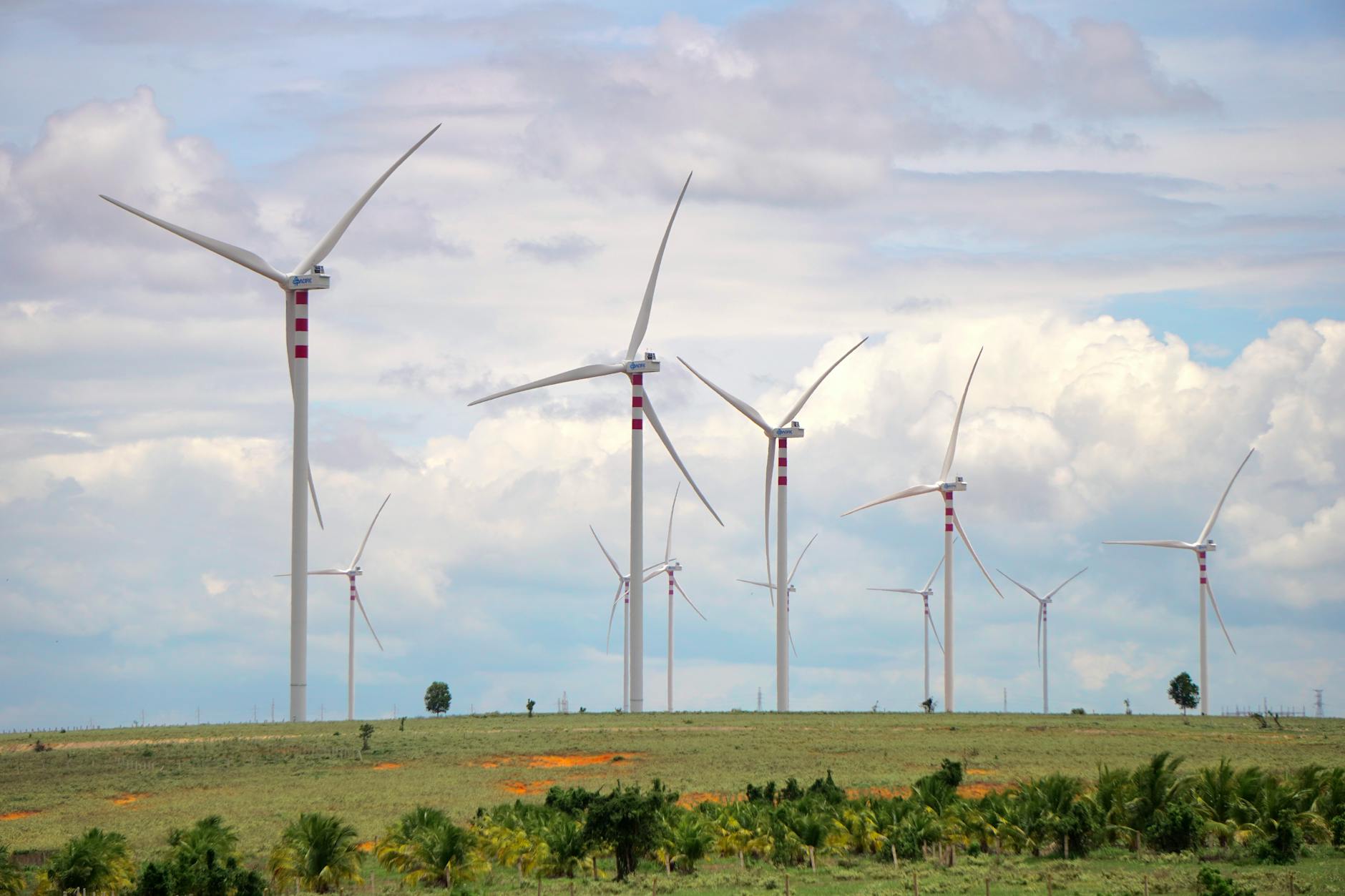
The business community reinforces these arguments. Major corporations headquartered in Republican strongholds have committed to carbon neutrality goals, creating demand for workers with skills in environmental technology and sustainable business practices.
Challenging Traditional Leadership
This generational divide has created uncomfortable moments for Republican leaders who built their careers opposing environmental regulations. Young activists within the party are increasingly vocal about their disagreements, leading to tensions at party events and internal discussions about platform positions.
Several prominent young Republicans have publicly criticized party leadership on climate issues. They argue that the party’s resistance to environmental policies will alienate younger voters and limit Republican competitiveness in future elections.
The challenge extends beyond policy disagreements. Young Republicans report feeling dismissed by party leaders when they raise climate concerns. Some describe being told they’ll “grow out of” their environmental views or that they don’t understand the economic implications of climate policies.
This dismissive approach has backfired in some cases. Young Republicans who feel unheard on climate issues are finding ways to advance their views independently, sometimes partnering with moderate Democrats or working outside traditional party structures.
The tension was evident during recent party conventions, where younger delegates pushed for climate-related platform language while older members resisted. These internal debates signal broader challenges for party unity as generational differences become more pronounced.
Electoral Implications and Future Directions
The climate divide has electoral implications that worry Republican strategists. Polling shows that environmental concerns significantly influence voting decisions among younger Americans, including young Republicans. The party’s traditional stance on climate issues may limit its appeal to these voters in competitive races.
Swing state voters are increasingly prioritizing infrastructure over social issues, including environmental infrastructure that addresses climate concerns. Young Republicans in these states often find themselves caught between party loyalty and policy preferences that align more closely with voter priorities.
Some Republican candidates have begun acknowledging these tensions by adopting more moderate positions on environmental issues. They speak about “American energy innovation” and “conservation as conservation,” attempting to bridge the gap between traditional party positions and younger voter preferences.
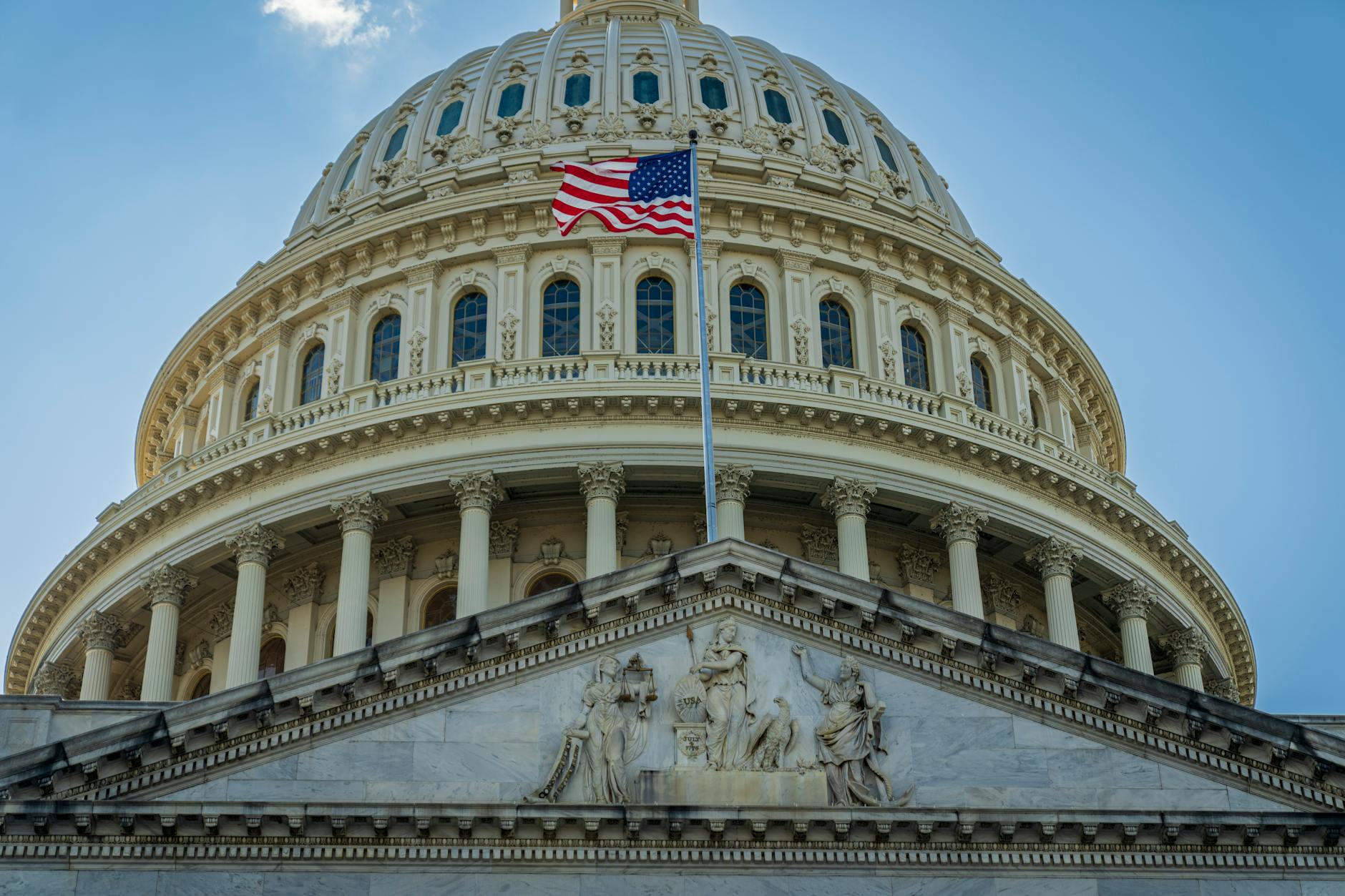
The implications extend beyond individual campaigns to long-term party strategy. Republican leaders face pressure to address climate concerns or risk losing an entire generation of potential party members. Some strategists argue that the party must evolve on environmental issues to remain relevant to younger voters.
Others worry that embracing climate policies would alienate the party’s base of older voters and fossil fuel industry supporters. This creates a challenging balancing act for party leaders attempting to maintain coalition unity while attracting new voters.
The resolution of this generational divide will likely shape the Republican Party’s future direction and electoral prospects. Young Republicans pushing for climate action represent a significant internal pressure for policy evolution, while established interests resist changes that could affect their economic positions.
As climate impacts become more visible and economic opportunities in clean energy continue growing, the pressure from young Republicans for policy changes is likely to intensify. The party’s response to these internal dynamics will influence its ability to attract and retain younger voters in an increasingly competitive political environment.
Frequently Asked Questions
Why are young Republicans supporting climate action?
They view environmental protection as economically beneficial and consistent with conservative values of stewardship and fiscal responsibility.
How significant is this generational divide within the Republican Party?
Polling shows Republican voters under 30 are twice as likely as older members to support government action on climate change.