Why Traditional Grocery Chains Are Struggling Against Meal Kit Delivery Services

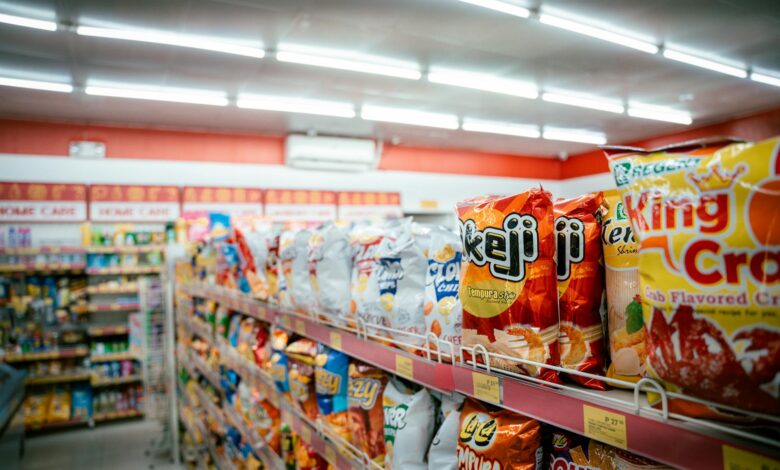
Kroger’s stock dropped 8% last quarter while HelloFresh reported a 12% increase in active customers. The numbers tell a stark story: traditional grocery chains are losing ground to meal kit delivery services at an accelerating pace, fundamentally reshaping how Americans approach food shopping and meal planning.
The shift represents more than changing consumer preferences. It signals a structural transformation in the food retail industry, where convenience trumps tradition and subscription models challenge century-old business practices. Major grocery retailers from Safeway to Stop & Shop are scrambling to adapt their strategies as meal kit companies capture increasingly larger portions of the household food budget.
The Convenience Revolution Redefines Shopping Habits
Time-pressed consumers are abandoning weekly grocery runs for the predictability of meal kit subscriptions. Blue Apron, HelloFresh, and Home Chef have collectively shifted over 4 million households away from traditional grocery shopping patterns, according to industry research from McKinsey & Company.
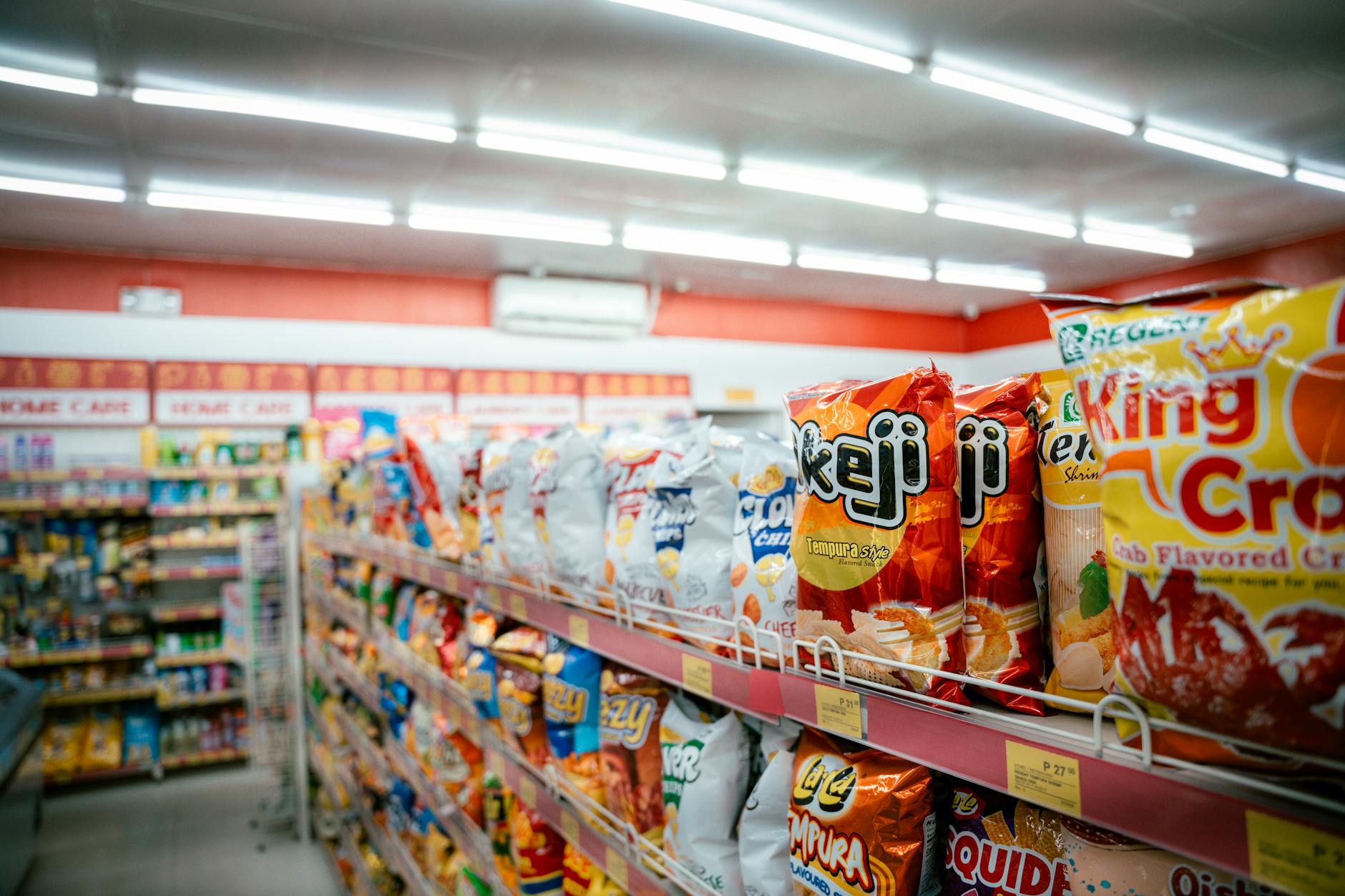
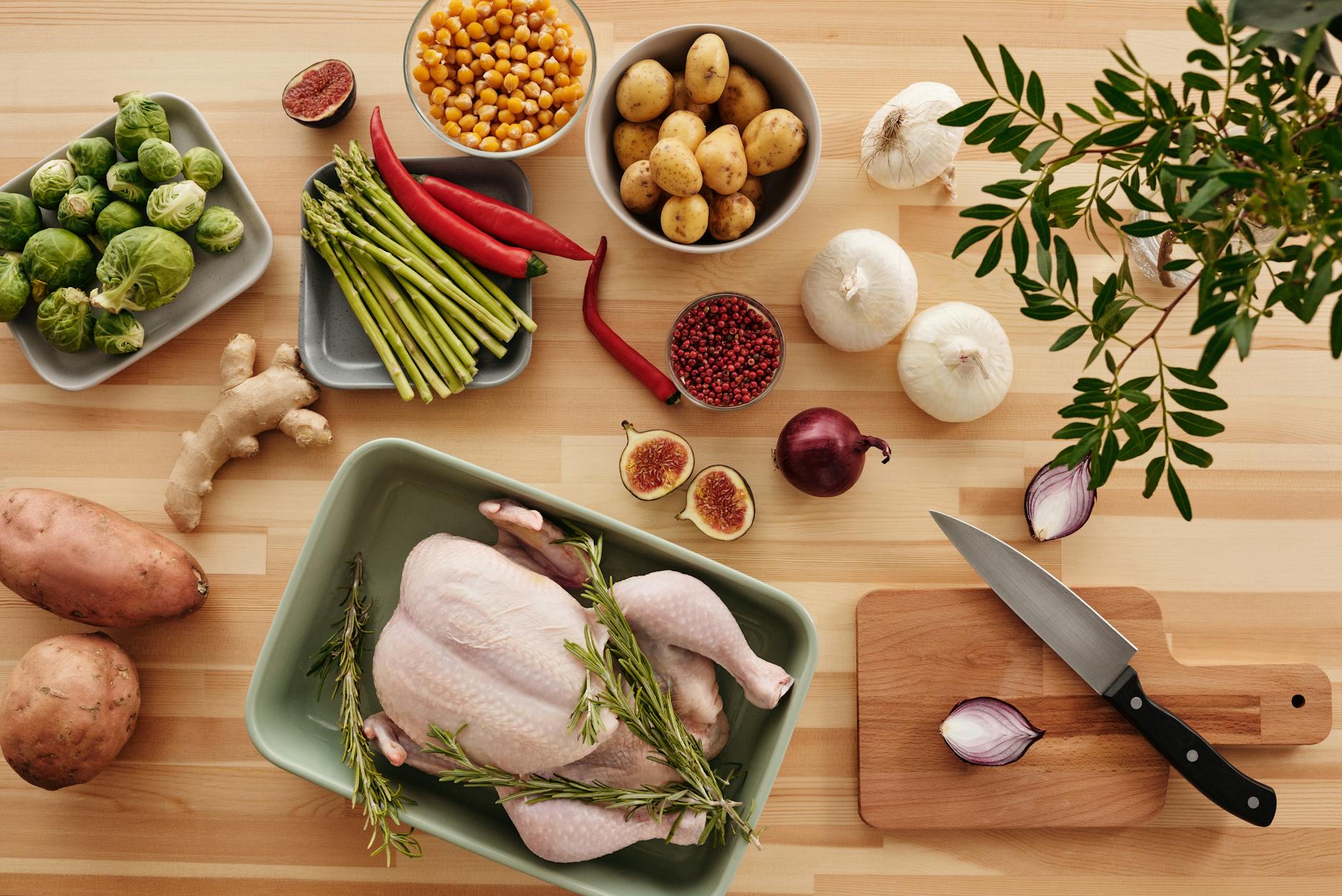
The appeal extends beyond mere convenience. Meal kits eliminate decision fatigue – that mental exhaustion from choosing among thousands of products in a typical supermarket. Instead of wandering grocery aisles wondering what to cook, subscribers receive pre-planned meals with exact ingredient portions, detailed recipes, and nutritional information.
“We’re seeing a fundamental behavioral shift,” explains retail analyst Jennifer Walsh from Forrester Research. “Consumers who once viewed grocery shopping as a weekly ritual now see it as an inefficient use of their time.”
This transformation particularly resonates with younger demographics. Millennials and Gen Z consumers, who grew up with on-demand services from Netflix to Uber, expect the same level of personalization and convenience from their food providers. Traditional grocery stores, with their vast inventories and generic shopping experiences, feel increasingly outdated to these digital natives.
The subscription model also creates predictable revenue streams that grocery stores can’t match. While supermarkets depend on impulse purchases and variable shopping patterns, meal kit companies enjoy steady monthly recurring revenue that enables better inventory planning and customer lifetime value optimization.
Economic Pressures Squeeze Traditional Retail Margins
Grocery stores operate on notoriously thin profit margins, typically ranging from 1-3%. This razor-thin profitability leaves little room for the investments needed to compete with tech-savvy meal kit companies that prioritize user experience and supply chain innovation.
Meanwhile, meal kit services command premium pricing – often 20-40% higher per serving than equivalent grocery ingredients. Consumers willingly pay these premiums for the convenience factor, recipe curation, and portion control that reduces food waste. This pricing power allows meal kit companies to invest heavily in technology, logistics, and customer acquisition.
Traditional grocers face a double squeeze. Rising real estate costs, particularly in urban markets, eat into already slim margins. Simultaneously, they’re pressured to match the convenience offerings of meal kit services without the pricing flexibility to cover those investments. Many chains have attempted their own meal kit programs, but these efforts often feel like afterthoughts rather than core business strategies.
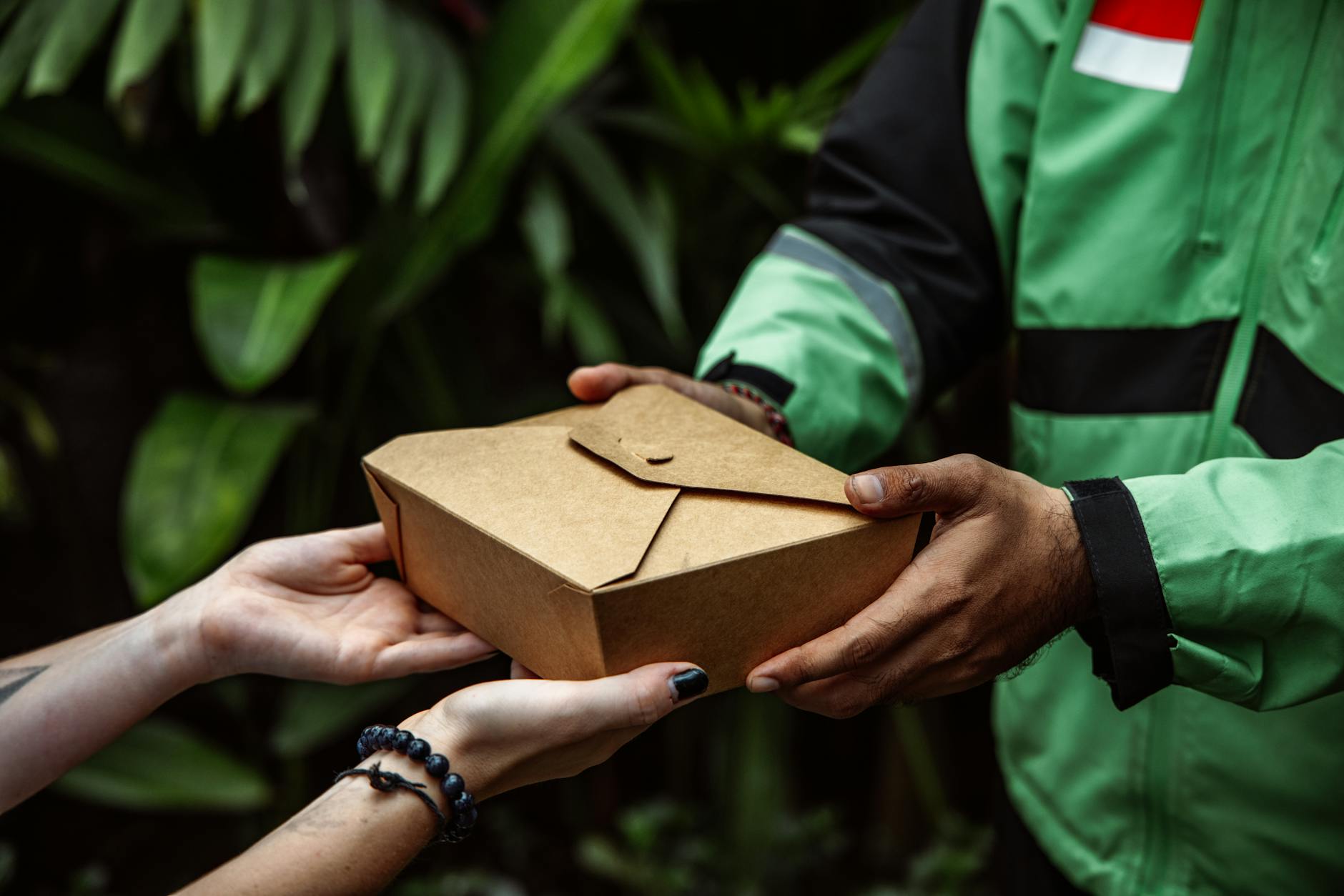
The labor shortage affecting retail workers has further complicated operations for grocery chains. High turnover rates and increased wage pressures add operational costs while potentially degrading customer service quality. Meal kit companies, operating primarily through automated fulfillment centers and delivery networks, face fewer labor-intensive touchpoints with customers.
Technology Gaps Widen the Competitive Divide
Meal kit companies leveraged technology from their inception, building sophisticated algorithms for demand forecasting, inventory management, and personalized meal recommendations. Traditional grocery chains, many dating back decades, struggle to retrofit legacy systems with modern capabilities.
HelloFresh’s algorithm analyzes customer preferences, dietary restrictions, and ordering patterns to suggest meals with 85% accuracy rates. Compare this to most grocery store apps, which function primarily as digital coupons and store locators rather than personalized shopping assistants.
The data advantages compound over time. Meal kit services know exactly what their customers eat, when they cook, and which recipes generate repeat orders. This granular insight enables continuous product development and targeted marketing. Grocery stores, handling thousands of SKUs across diverse categories, lack this focused customer intelligence.
Supply chain sophistication represents another technological divide. Meal kit companies work with fewer suppliers but develop deeper partnerships, enabling better quality control and fresher ingredients. They can trace individual ingredients from farm to customer, ensuring consistency that traditional grocery distribution networks struggle to match.
Social media integration also favors meal kit services, particularly given the power of celebrity social media endorsements in driving food trends. Instagram-worthy meal presentations from Blue Apron or HelloFresh generate organic marketing that grocery stores can’t easily replicate with their generic product displays.
Adaptation Strategies and Market Response
Some traditional retailers are fighting back through acquisition and partnership strategies. Kroger acquired Home Chef for $200 million in 2018, while Amazon’s purchase of Whole Foods demonstrated how tech companies view grocery retail as a strategic battleground.
Walmart launched its own meal kit service through partnerships with established providers, attempting to leverage its massive logistics network and price competitiveness. However, these efforts often struggle with identity confusion – customers aren’t sure whether they’re buying from a grocery store or a meal kit service.
Regional chains have found success focusing on local sourcing and community connections that meal kit services can’t easily replicate. Wegmans and H-E-B maintain strong customer loyalty by emphasizing fresh, local ingredients and knowledgeable staff who understand regional food preferences.
The pandemic initially appeared to boost traditional grocery sales as consumers stockpiled essentials. However, it also accelerated adoption of delivery services and subscription models, ultimately benefiting meal kit companies more than traditional retailers in the long term.
The grocery industry’s transformation mirrors broader retail disruption patterns, similar to how remote work policies are reshaping commercial real estate markets. Just as office spaces must adapt to hybrid work models, grocery stores must evolve beyond their traditional role as product warehouses to become experience destinations and convenience providers.
Traditional grocery chains that survive this transition will likely emerge as hybrid entities – part traditional retailer, part technology company, part logistics provider. Success will depend on their ability to combine the scale advantages of traditional retail with the personalization and convenience that define modern consumer expectations. The chains that fail to make this transformation risk becoming casualties in the ongoing convenience economy revolution.
Frequently Asked Questions
Why are meal kit services more expensive than grocery shopping?
Meal kits charge premiums for convenience, recipe curation, and portion control that reduces food waste.
How are grocery stores responding to meal kit competition?
Many chains are launching their own meal kit services through acquisitions or partnerships with established providers.