Why Third Party Candidates Are Gaining Ballot Access in Previously Locked States

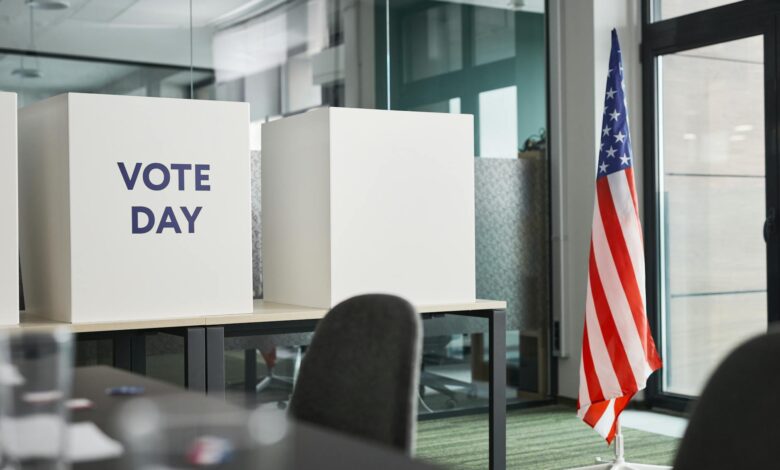
Third-party candidates are breaking through ballot access barriers that have kept them locked out of elections for decades. States once considered impenetrable fortresses for major party dominance are opening their doors to independent and minor party challengers, fundamentally reshaping the political landscape ahead of critical elections.
The shift represents more than just procedural changes. Voter dissatisfaction with traditional two-party options has created unprecedented momentum for alternative candidates, forcing state legislatures and election officials to reconsider restrictive ballot access laws that have historically favored established parties. From signature requirement reductions to filing fee adjustments, the barriers that once seemed insurmountable are crumbling across the country.

Legal Victories Opening Previously Closed Doors
Court challenges have proven instrumental in dismantling restrictive ballot access laws across multiple states. Montana recently reduced its petition signature requirement from 5,000 to 3,000 for statewide candidates after a federal court ruling declared the previous threshold unconstitutional. Similar legal victories in Oklahoma and South Carolina have forced these traditionally restrictive states to lower their barriers significantly.
The legal arguments center on constitutional principles of equal protection and free speech. Third-party advocates successfully argue that excessive signature requirements and prohibitive filing fees violate candidates’ First Amendment rights and deny voters meaningful choices. Federal judges have increasingly sided with these arguments, recognizing that ballot access restrictions can effectively disenfranchise entire segments of the electorate.
Georgia’s ballot access laws faced particular scrutiny after the 2020 election cycle. The state previously required third-party candidates to collect signatures equal to 1% of registered voters for statewide offices, creating an nearly impossible barrier. Following sustained legal pressure, Georgia reduced this requirement by nearly half and extended the collection period, making ballot access achievable for well-organized campaigns.
North Carolina’s transformation has been equally dramatic. The state once required third-party presidential candidates to collect over 89,000 signatures, among the highest thresholds in the nation. Recent legislative changes reduced this number to approximately 13,000, while also allowing electronic signature collection for the first time. These modifications have already resulted in more diverse candidate slates for upcoming elections.
Grassroots Movements Driving Change
Behind these legal victories lies a sophisticated network of grassroots organizations dedicated to expanding ballot access. The Ballot Access News coalition has spent years documenting restrictive practices and mobilizing support for reform efforts. Their research demonstrates how ballot access barriers disproportionately impact candidates from diverse backgrounds and political perspectives.
Local activism has proven equally important. In Texas, volunteer networks successfully pushed for legislation reducing the signature requirement for independent candidates from 83,000 to approximately 45,000. These volunteers organized petition drives, lobbied state legislators, and built coalitions with good-government groups to create political pressure for change.
The role of technology cannot be understated in these efforts. Digital organizing tools have enabled third-party movements to coordinate petition drives more effectively than ever before. Smartphone apps now help volunteers track signature collection progress in real-time, while social media campaigns generate awareness about ballot access issues among younger voters who increasingly identify as independents.

State-level Green Party and Libertarian Party organizations have also professionalized their ballot access operations. These parties now employ full-time staff dedicated to navigating complex state requirements and building the infrastructure necessary for sustained political engagement. Their success in previously locked states demonstrates how persistent organizing can overcome seemingly insurmountable legal obstacles.
Economic and Political Factors Creating Momentum
Rising campaign costs have paradoxically helped third-party candidates by highlighting the exclusionary nature of traditional ballot access requirements. When filing fees reach tens of thousands of dollars, as they do in some states, the barrier becomes explicitly financial rather than democratic. This has made legal challenges more compelling and generated sympathy among voters who see the system as rigged against ordinary citizens.
The changing media landscape has also benefited third-party candidates. Social media platforms provide direct communication channels that bypass traditional gatekeepers in political media. Candidates no longer need massive advertising budgets to reach voters, making ballot access the primary hurdle rather than fundraising capacity. This shift has encouraged more diverse candidates to seek office and motivated supporters to work for ballot access reform.
Economic inequality concerns have created voter appetite for alternatives to major party candidates. Polling consistently shows significant percentages of voters expressing dissatisfaction with their options from Democratic and Republican parties. This creates political incentives for state legislators to appear responsive to voter concerns by supporting ballot access reforms, even in traditionally partisan states.
The success of third-party candidates in local elections has demonstrated their viability and encouraged state-level ballot access reforms. When independent mayors and city council members prove effective governance alternatives, it becomes harder to justify excluding similar candidates from state and federal races through restrictive ballot requirements.
Technology and Administrative Modernization
State election offices are embracing technological solutions that inadvertently benefit third-party candidates. Electronic signature collection systems, initially developed to improve efficiency, have made ballot access more achievable for candidates with limited resources. Digital petition platforms reduce the administrative burden of signature verification while creating transparent processes that benefit all candidates.
Online voter registration systems have also expanded the pool of potential petition signers. When citizens can easily register to vote, third-party candidates have access to larger universes of eligible signers for their petitions. This has proven particularly beneficial in states with growing populations of young voters who are more likely to support diverse candidate options.
The modernization of campaign finance reporting has created additional transparency that benefits third-party movements. Voters can now easily track which candidates receive support from major donors versus grassroots contributors, creating advantages for candidates who position themselves as alternatives to traditional fundraising networks. This transparency has encouraged more third-party candidacies by reducing information asymmetries that previously favored established parties.
These technological advances coincide with broader trends in voter behavior that favor non-traditional candidates. As celebrity political endorsements lose influence among Gen Z voters, authentic grassroots candidates gain comparative advantages that make ballot access worth pursuing.
The transformation of previously locked states into accessible electoral territories represents a fundamental shift in American political competition. As more third-party candidates qualify for ballots in traditionally restrictive states, they create momentum for continued reforms and demonstrate that determined organizing can overcome institutional barriers. The 2024 election cycle will serve as a crucial test of whether these ballot access gains translate into meaningful political influence and further democratization of American elections.
Frequently Asked Questions
Why are states reducing ballot access requirements for third-party candidates?
Legal challenges and voter demand for alternatives have forced states to lower restrictive signature requirements and filing fees that courts found unconstitutional.
Which states have made the biggest changes to ballot access laws?
Montana, Georgia, North Carolina, and Texas have significantly reduced signature requirements and modernized collection processes for third-party candidates.