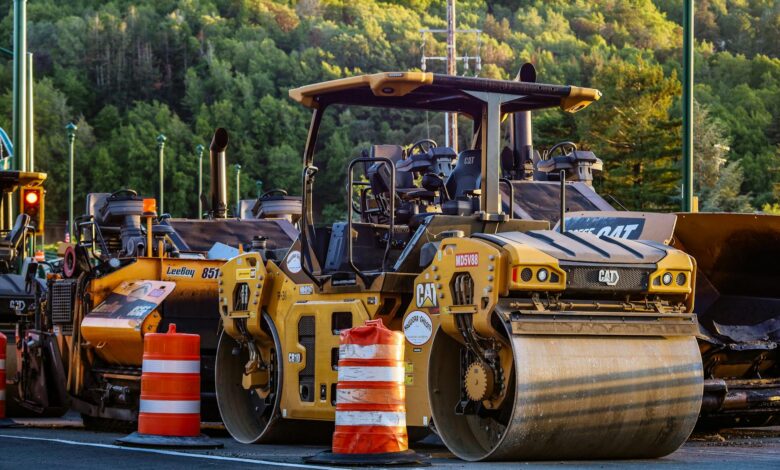
Crumbling bridges and pothole-riddled highways are driving more votes than abortion rights and gun control in America’s most contested states. Recent polling data reveals a dramatic shift in voter priorities, with infrastructure concerns now ranking among the top three issues for swing state residents ahead of the midterm elections.
The change reflects growing frustration with deteriorating roads, failing water systems, and unreliable internet access that directly impact daily life. In Pennsylvania, Michigan, Wisconsin, and Arizona, voters increasingly view infrastructure as a kitchen table issue that transcends traditional party lines. The American Society of Civil Engineers’ latest report card gave U.S. infrastructure a C-minus grade, with some swing states faring worse than the national average.
This pivot represents a significant departure from previous election cycles where cultural and social issues dominated campaign messaging. Political strategists note that voters experiencing power outages, water main breaks, and traffic delays are less concerned with partisan rhetoric and more focused on tangible solutions.
Economic Reality Drives Political Preferences
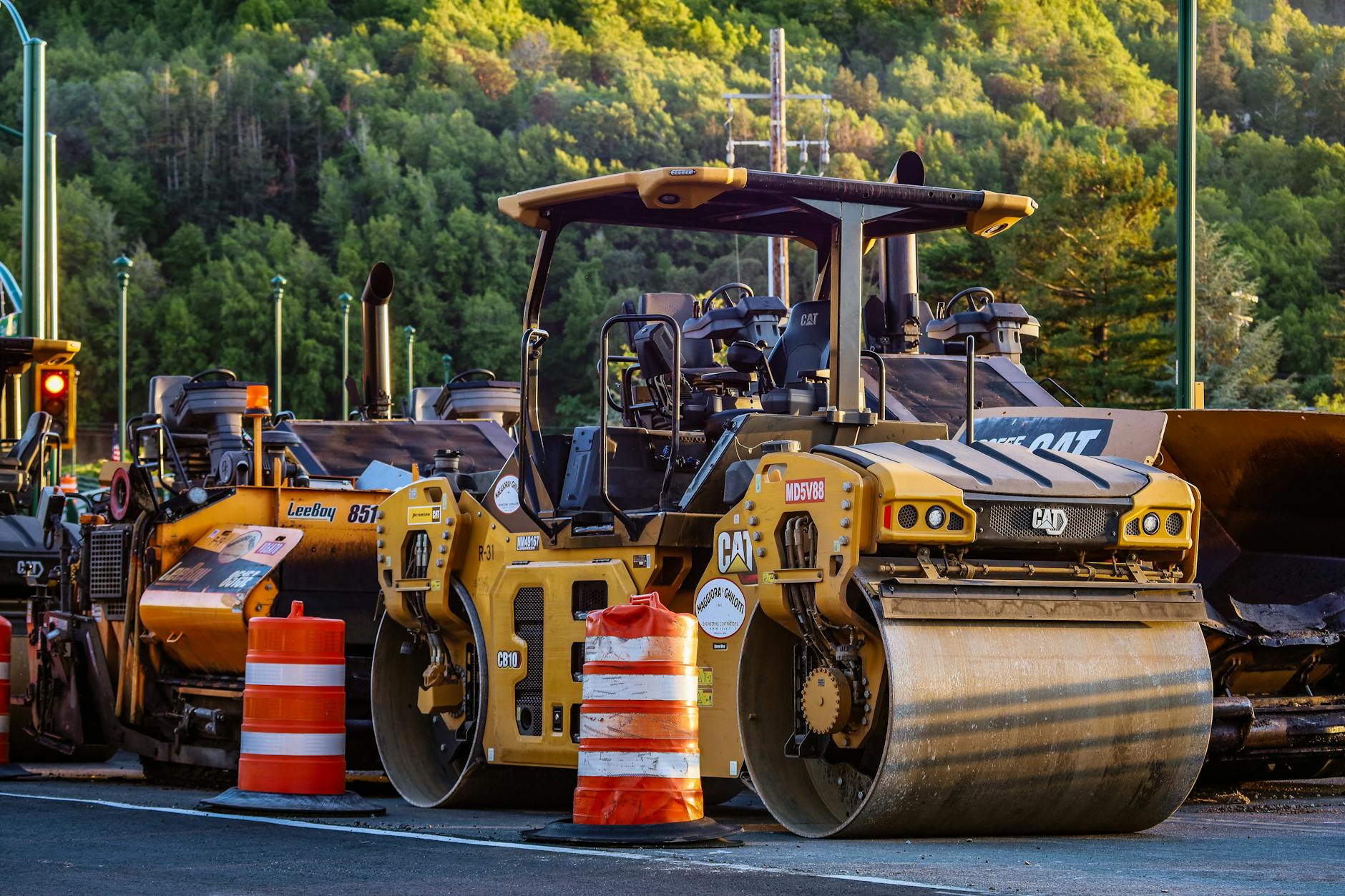
Infrastructure failures cost swing state families hundreds of dollars annually through vehicle repairs, productivity losses, and higher utility bills. In Michigan, poor road conditions cost drivers an average of $648 per year in additional vehicle operating costs, according to transportation research firm TRIP. These direct financial impacts resonate more powerfully with voters than abstract policy debates.
Small business owners particularly feel infrastructure shortcomings. Manufacturing companies in Wisconsin report losing contracts due to unreliable freight transportation, while tech startups in Arizona struggle with inconsistent broadband access. These economic pressures create bipartisan constituencies for infrastructure investment that didn’t exist when the economy was stronger.
The shift also reflects generational changes in voter priorities. Millennial and Gen Z voters, who represent growing portions of the electorate in swing states, view infrastructure as foundational to economic opportunity. They’re less motivated by traditional social issues and more focused on practical concerns like housing affordability, which connects directly to infrastructure capacity.
Rural voters in swing states show particularly strong infrastructure priorities. Communities that previously focused on cultural issues now emphasize broadband expansion, road maintenance, and water system upgrades. The COVID-19 pandemic highlighted these disparities when remote work and telehealth became necessities rather than conveniences.
Bipartisan Appeal Reshapes Campaign Strategies
Political campaigns are adapting messaging to match voter priorities, with candidates from both parties emphasizing infrastructure credentials over ideological positions. Democratic candidates highlight their support for federal infrastructure spending, while Republicans focus on reducing regulatory barriers to construction projects. Both approaches acknowledge that voters want results over partisan battles.
This trend mirrors broader changes in political communication, including why gubernatorial candidates are focusing campaign spending on local radio, where infrastructure concerns receive more airtime than national political debates. Local media coverage emphasizes practical issues that affect daily commutes and community services.
Infrastructure’s bipartisan appeal creates opportunities for pragmatic governance that transcends traditional political divides. Mayors and governors who successfully deliver infrastructure improvements often see approval ratings that exceed partisan expectations. Pennsylvania Governor Josh Shapiro’s focus on bridge repairs and Michigan Governor Gretchen Whitmer’s road funding initiatives demonstrate how infrastructure success translates to political capital.

Campaign finance patterns reflect this shift, with infrastructure-focused messaging receiving increased investment from both parties. Traditional social issue advocacy groups report decreased engagement in swing states, while organizations promoting infrastructure investment see growing membership and influence.
The changing priorities also affect primary elections, where candidates emphasizing infrastructure competence often outperform those focused solely on cultural issues. Voters increasingly evaluate candidates based on their ability to deliver tangible improvements rather than their positions on divisive social questions.
Federal Policy Implications and State Responses
The Infrastructure Investment and Jobs Act, passed in 2021, provides swing states with unprecedented funding opportunities that savvy politicians are leveraging for electoral advantage. States receiving the largest allocations per capita often see infrastructure rise to the top of political agendas, creating positive feedback loops for continued investment.
State governments are responding with innovative financing mechanisms and public-private partnerships that demonstrate responsiveness to voter priorities. Pennsylvania’s focus on bridge repairs, Wisconsin’s broadband expansion, and Arizona’s water infrastructure improvements all reflect political calculations based on polling data showing infrastructure as a top voter concern.
The shift influences federal legislative priorities beyond traditional infrastructure bills. Climate change legislation increasingly frames environmental protection in infrastructure terms, emphasizing grid modernization and transportation efficiency rather than abstract environmental goals. This framing proves more effective with swing state voters who prioritize practical benefits over ideological arguments.
Congressional representatives from swing states report that infrastructure inquiries now dominate constituent communications, displacing traditional social issue concerns. Town halls and public forums focus on project timelines, funding allocations, and construction impacts rather than cultural debates. This grassroots pressure influences legislative priorities and voting patterns in Washington.
Long-Term Political Realignment
The infrastructure focus may signal a broader realignment in American politics toward pragmatic governance over ideological positioning. Swing state voters’ emphasis on tangible results creates incentives for politicians to develop expertise in policy implementation rather than message discipline. This trend could reshape political recruitment and candidate qualifications in future election cycles.
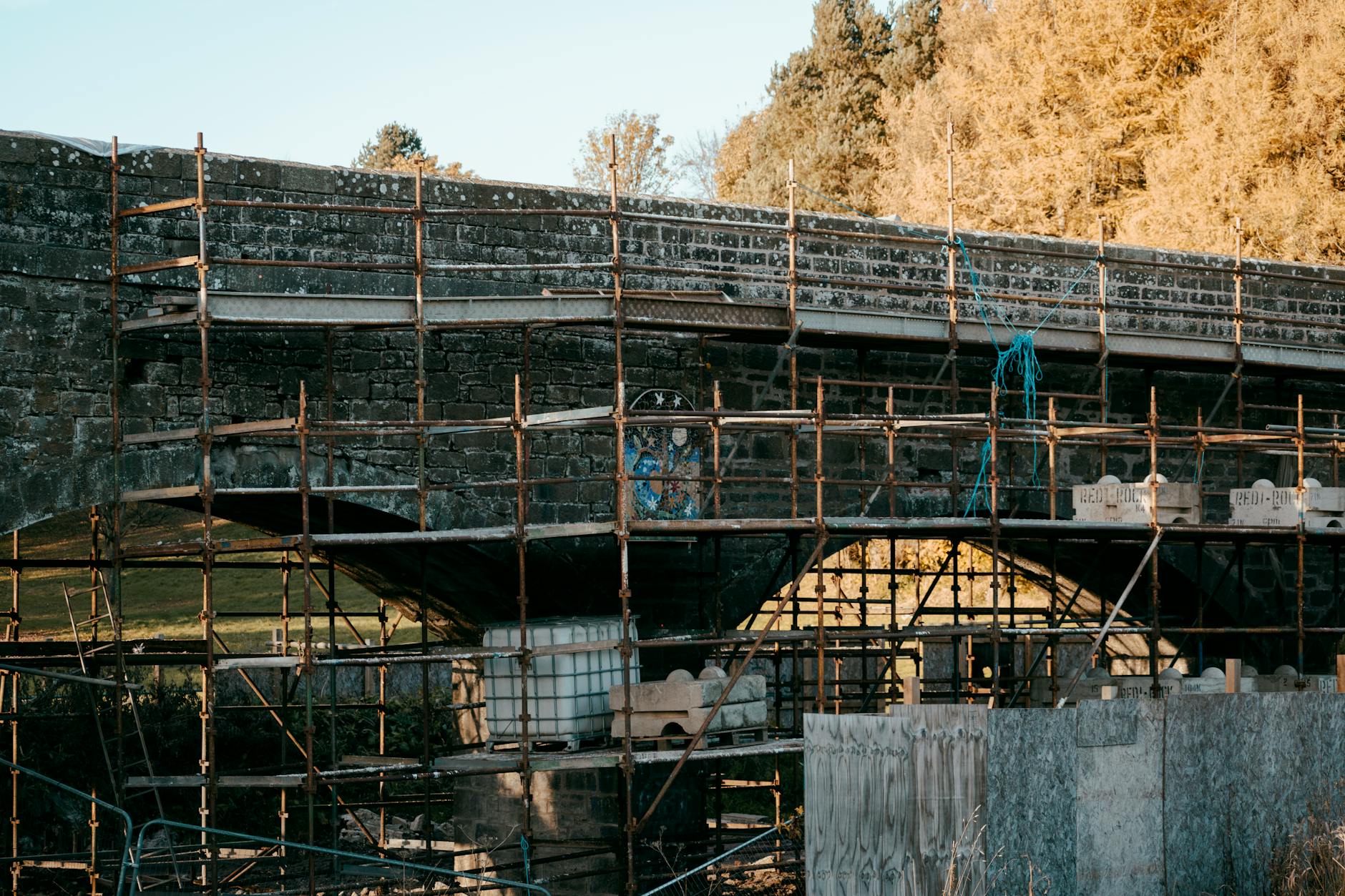
Demographic changes in swing states support continued infrastructure prioritization. Growing suburban populations experience traffic congestion and utility reliability issues that rural and urban voters may not face. These communities often determine election outcomes and their infrastructure concerns influence broader political agendas.
The trend also reflects economic anxiety that manifests as demands for government competence rather than specific policy positions. Voters experiencing infrastructure failures question government effectiveness across all policy areas, creating political pressure for demonstrable success in basic service delivery.
Future elections may see infrastructure competence become a key qualification for political leadership, similar to how military service or business experience previously influenced voter preferences. Politicians who successfully manage large construction projects or improve utility reliability could leverage these accomplishments for higher office.
This evolution suggests American politics may be entering a more pragmatic phase where voter priorities align around shared experiences rather than partisan identities. Infrastructure’s universal impact creates opportunities for political coalition-building that transcends traditional demographic and ideological boundaries, potentially reshaping campaign strategies and governance approaches for years to come.
Frequently Asked Questions
Why are swing state voters prioritizing infrastructure over social issues?
Poor roads, failing bridges, and unreliable utilities directly cost families money and affect daily life more than abstract social debates.
How are political campaigns adapting to this shift?
Candidates from both parties now emphasize infrastructure credentials and practical solutions over ideological positions to appeal to pragmatic voters.