Why Streaming Services Are Licensing Content to Traditional Broadcast Networks

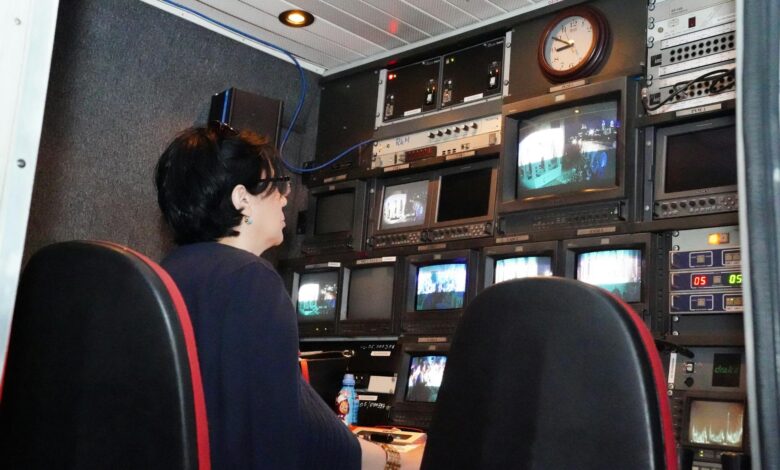
Netflix sold “The Office” back to NBC. Disney licensed Marvel content to cable networks. HBO Max shows are appearing on basic cable. The streaming revolution that promised to kill traditional television is now feeding it content in a dramatic role reversal that’s reshaping the entertainment industry.
After years of building exclusive libraries to attract subscribers, major streaming platforms are discovering that licensing their original content to broadcast and cable networks offers immediate revenue streams and broader audience reach. This shift represents a fundamental change in how content companies view their intellectual property and distribution strategies.
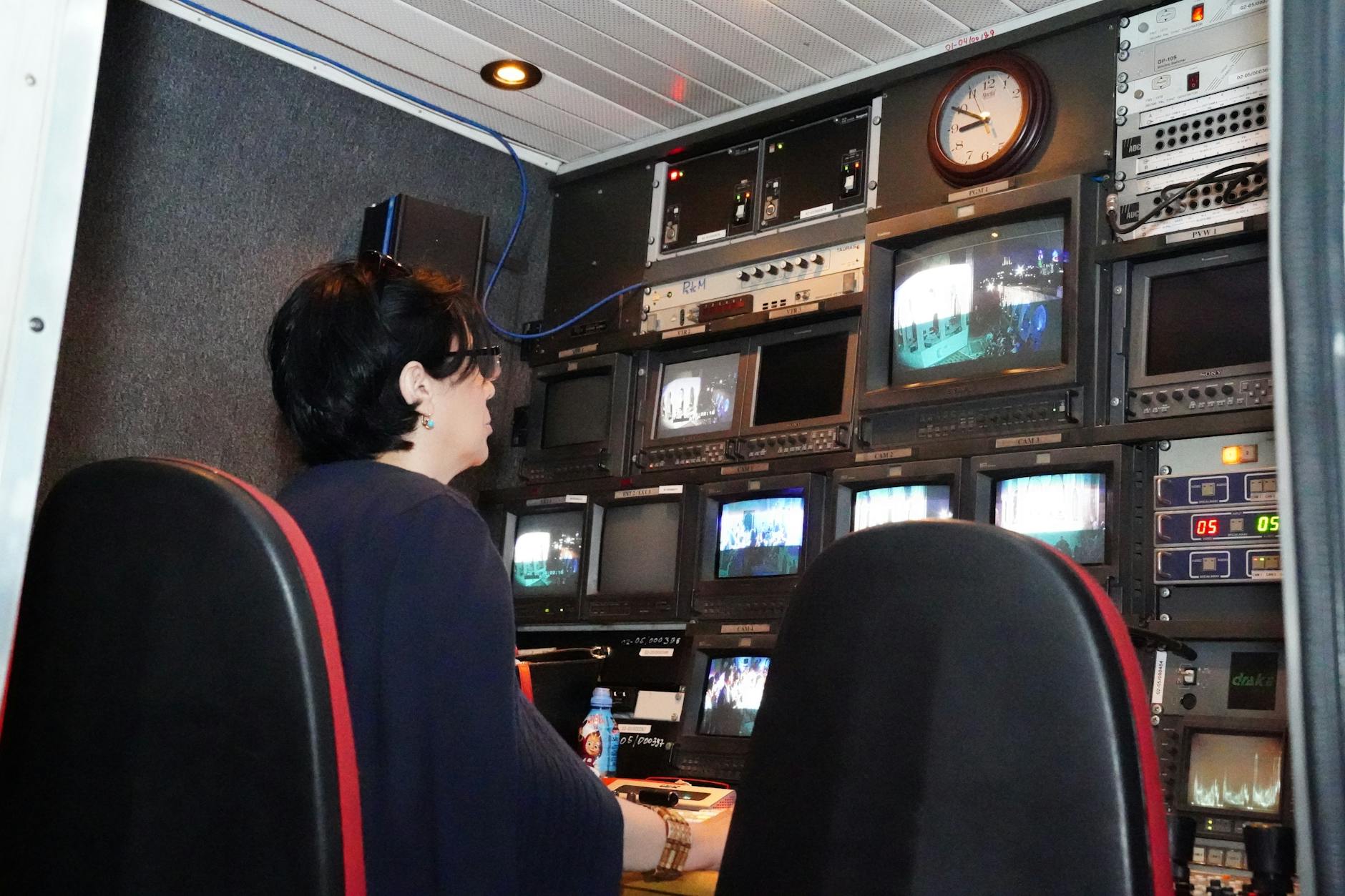
The Economics Behind Content Licensing Deals
Streaming services spent billions creating original programming, but subscriber growth has plateaued across most platforms. Netflix added fewer than 2 million subscribers globally in the third quarter of 2023, while Disney+ lost subscribers in several markets. With Wall Street demanding profitability over growth, executives are exploring new revenue models beyond monthly subscription fees.
Licensing deals provide immediate cash flow without production costs. When HBO Max licensed “Friends” reruns to TBS and other cable networks, Warner Bros. Discovery reportedly earned hundreds of millions in licensing fees. These agreements allow streaming services to monetize content multiple times across different platforms and demographics.
Traditional networks desperately need fresh content as production costs soar and audiences fragment. Cable channels that once relied on syndicated sitcoms from the 1990s now compete with 500+ streaming options. Licensed streaming content offers proven audience appeal with built-in marketing momentum from the original platform’s promotional efforts.
The math works for both sides. Streaming services recoup production investments faster while traditional networks access premium content without development risks. A successful Netflix series that costs $100 million to produce can generate additional revenue through cable licensing while still driving Netflix subscriptions.
Strategic Timing and Audience Expansion
Streaming platforms typically wait 12-24 months after a show’s streaming debut before licensing to traditional networks. This window allows the original platform to maximize subscriber acquisition and retention while keeping content exclusive during peak viewership periods.
Cable and broadcast networks provide access to audiences who haven’t adopted streaming services or prefer traditional viewing habits. Despite cord-cutting trends, over 60 million American households still subscribe to cable television. Linear television viewing remains particularly strong among viewers over 50, a demographic many streaming services struggle to reach effectively.
International expansion also drives licensing strategies. Netflix might license a popular series to local broadcast networks in markets where Netflix penetration remains low. This approach introduces content to potential future subscribers while generating immediate international revenue.

The timing strategy has evolved beyond simple exclusivity windows. Some streaming services now plan licensing deals during production, building additional distribution into their content financing models. Amazon Prime Video has licensed several original series to cable networks within months of streaming debuts, treating traditional television as a secondary marketing channel rather than competition.
Genre-Specific Licensing Patterns
Reality television leads streaming-to-broadcast licensing deals due to lower production costs and broad audience appeal. Netflix’s reality dating shows regularly appear on cable networks within months of streaming release. Unscripted content generates licensing revenue while requiring minimal ongoing investment from streaming platforms.
Procedural dramas and comedy series follow similar licensing patterns. Shows with episodic formats translate well to traditional television scheduling, where viewers can join mid-season without extensive backstory knowledge. Streaming platforms retain serialized prestige dramas exclusively longer, as these shows drive critical acclaim and award recognition that builds platform credibility.
Children’s programming represents a particularly active licensing category. Disney+ content appears on Disney Channel and other cable networks, creating cross-platform synergy that reinforces brand loyalty across different viewing habits within the same household. Nickelodeon has licensed content from various streaming platforms to fill programming gaps as production schedules stretched during industry strikes.
Documentary content moves between platforms frequently, as educational programming appeals to traditional television audiences while building streaming platform reputations for quality content. National Geographic, Discovery Channel, and History Channel regularly license documentary series from streaming services to complement their own productions.
Impact on Industry Competition and Future Strategies
This licensing trend suggests the streaming wars may be evolving into a more collaborative ecosystem. Instead of fighting for exclusive content, platforms are maximizing revenue from existing libraries while focusing competition on new production and technological innovation.
Traditional media companies with both streaming services and cable networks benefit most from this trend. Disney can move content between Disney+ and its cable channels based on strategic timing and audience needs. NBCUniversal shifts programming between Peacock and its broadcast networks to optimize revenue and viewership across its entire portfolio.
Independent streaming services face different challenges in this new landscape. Without owned traditional networks, platforms like Netflix must negotiate licensing deals with potential competitors. However, their content libraries’ proven popularity gives them significant leverage in these negotiations.
The licensing trend also reflects changing consumer behavior. Viewers increasingly discover content on one platform and seek it on others, treating different services as complementary rather than competitive. This behavior supports licensing strategies that prioritize content visibility over platform exclusivity.
Looking ahead, content licensing between streaming and traditional platforms will likely become standard practice rather than exception. The entertainment industry is recognizing that content can generate revenue across multiple distribution channels simultaneously, much like how retail companies are exploring new revenue models through rental business strategies, diversifying income streams to adapt to changing market conditions.
As streaming subscriber growth stabilizes and production costs continue rising, content licensing represents a sustainable path toward profitability. The companies that succeed will be those that view their content as assets to be maximized across all available platforms, not weapons in an exclusivity war that ultimately benefits no one except consumers who gain access to more content across their preferred viewing methods.
Frequently Asked Questions
Why are streaming services licensing content to traditional TV networks?
They need additional revenue streams as subscriber growth slows and production costs rise, while licensing provides immediate cash flow from existing content.
How long do streaming services wait before licensing their content?
Most platforms wait 12-24 months after streaming debut to maintain exclusivity during peak viewership periods before licensing to traditional networks.