Why Rural Democrats Are Winning GOP Strongholds Through Infrastructure Messaging


Rural bridges need fixing. Roads crack under heavy farm equipment. Broadband internet crawls at dial-up speeds. Water systems built decades ago struggle to serve growing populations. These aren’t abstract policy debates – they’re daily realities that transcend party lines in America’s heartland.
Smart Democratic candidates discovered this truth and rode it to victory in traditionally red territory. From Montana’s eastern plains to Kentucky’s coal country, a new breed of pragmatic Democrats won seats by focusing on concrete infrastructure needs rather than divisive cultural issues. Their playbook offers lessons for both parties about what truly matters to voters when partisan rhetoric fades.

The Infrastructure-First Strategy That Works
The winning formula emerged from necessity. Democratic candidates in rural GOP strongholds couldn’t compete on traditional liberal messaging about climate change or social programs. Instead, they talked about fixing the interstate that floods every spring, expanding broadband for local businesses, and modernizing water treatment plants.
Marie Henderson won a county commissioner seat in rural Kansas by campaigning exclusively on road maintenance and internet access. She never mentioned her party affiliation in campaign materials, focusing instead on securing federal highway funds and negotiating with telecommunications companies. Her opponent talked about national politics while Henderson talked about the county budget.
“People don’t care about your party when their well water tastes like sulfur,” Henderson explains. “They want someone who can get things done.”
This approach resonates because infrastructure affects everyone equally. Conservative farmers need reliable internet to monitor commodity prices and submit crop insurance claims. Liberal teachers need decent roads to reach their schools safely. The bridge that needs replacing doesn’t discriminate based on voting history.
Recent successes span multiple states and office levels. In North Carolina’s rural districts, Democratic state legislature candidates won by promising to advocate for better cell phone coverage and highway improvements. Montana saw similar results when Democratic county commissioners focused on maintaining rural roads that connect small communities to larger economic centers.
Why Traditional GOP Messaging Lost Ground
Republican candidates in these races often defaulted to national talking points about border security, urban crime, and federal spending – issues that felt distant to voters dealing with immediate local problems. While these topics energize base voters in some areas, they don’t address the practical concerns keeping rural residents awake at night.
The disconnect became apparent in post-election interviews. Voters consistently mentioned local infrastructure needs as their primary concern, while losing GOP candidates had focused campaign messaging on national political battles. This mismatch allowed pragmatic Democrats to position themselves as the candidates who understood local priorities.
Traditional conservative infrastructure messaging also faced credibility challenges. Years of anti-government rhetoric made it difficult for some Republican candidates to argue effectively for federal infrastructure investment, even when their communities desperately needed it. Democratic candidates faced no such contradiction when advocating for public works projects.
Rural voters showed willingness to cross party lines when candidates demonstrated genuine understanding of their daily challenges. A functioning water system matters more than partisan loyalty when families can’t drink from their taps. Highway safety trumps political ideology when school buses navigate dangerous road conditions twice daily.
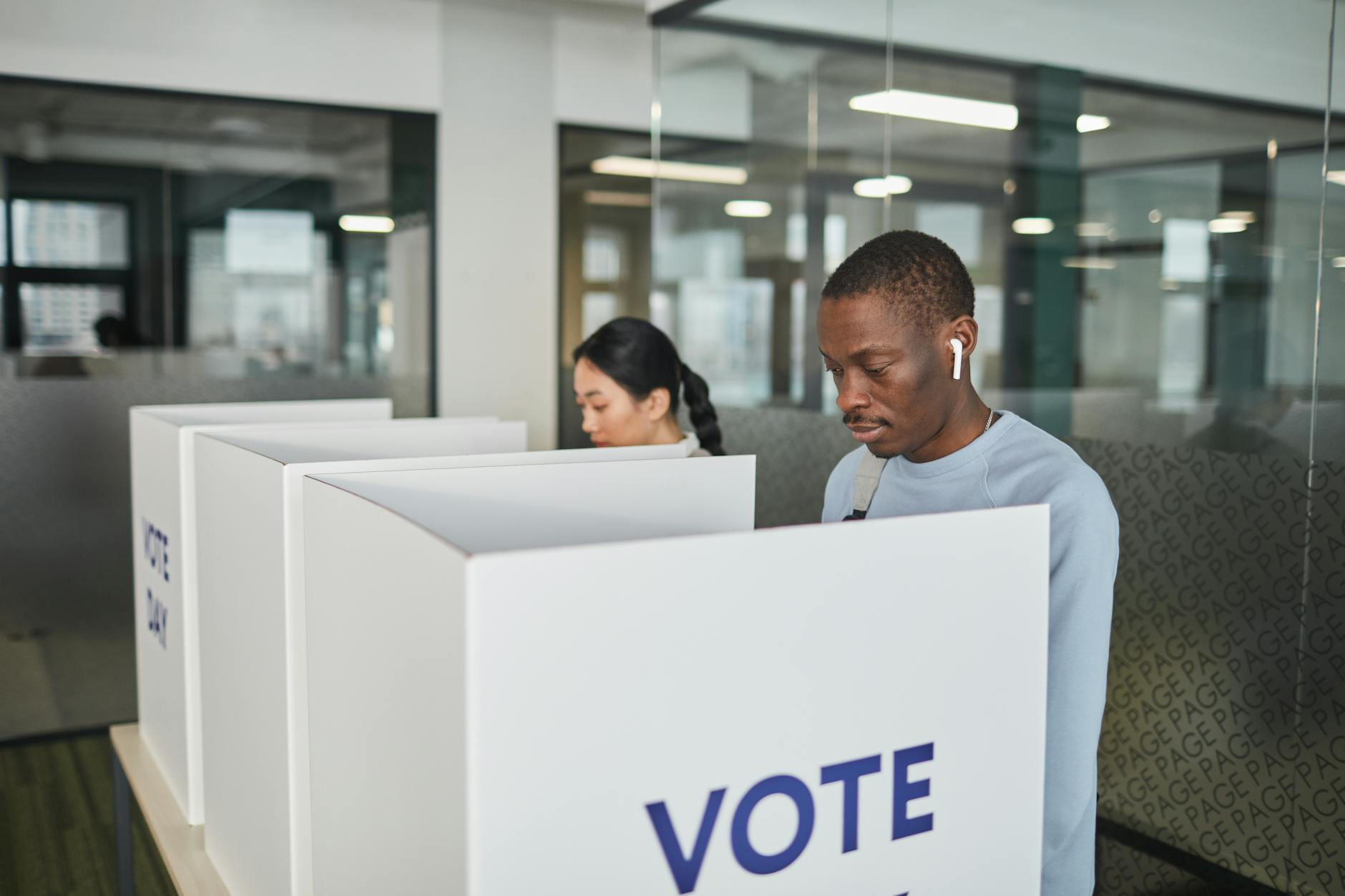
The shift reflects broader changes in rural political priorities. Economic pressures on family farms, declining local business districts, and outmigration of young people created urgent needs that transcended traditional partisan divisions. Infrastructure investment offers tangible hope for economic revival in communities that felt left behind.
Building Coalitions Beyond Party Lines
Successful Democratic candidates built unusual coalitions by partnering with typically conservative groups. Farm bureaus endorsed Democrats who promised better rural internet. Chamber of commerce organizations supported candidates advocating for infrastructure improvements that would help local businesses compete.
These alliances required Democrats to adopt more moderate positions on some issues while maintaining focus on infrastructure priorities. The strategy demanded political discipline – avoiding controversial topics that might alienate potential supporters while staying laser-focused on shared concerns about roads, bridges, and utilities.
Local business leaders proved especially valuable allies. Hardware store owners who struggled with slow internet for inventory management didn’t care about a candidate’s position on national social issues. They wanted reliable broadband service. Restaurant owners dealing with water quality problems focused on infrastructure solutions, not partisan talking points.
The coalition-building extended to traditionally Republican voter groups. Retired military families appreciated candidates who understood the challenges of rural healthcare access and transportation needs. Religious communities supported infrastructure advocates when those improvements would benefit their congregations and community outreach efforts.
Social media played a crucial role in reaching across party lines. Instead of partisan content, winning candidates shared photos of local infrastructure problems and detailed plans for addressing them. The impact of social media algorithms on electoral outcomes became clear as infrastructure-focused content generated more engagement than traditional political messaging.
Lessons for Future Elections
The rural Democratic successes offer several key insights for candidates in similar situations. First, local issues matter more than national political trends in many competitive races. Voters respond to candidates who demonstrate deep understanding of community-specific challenges rather than those who simply repeat party talking points.
Second, bipartisan messaging works when it addresses genuine shared concerns. Infrastructure needs affect everyone regardless of political affiliation, creating opportunities for candidates willing to build broad coalitions. This approach requires avoiding divisive topics that might alienate potential supporters.
Third, credibility comes from detailed policy knowledge and realistic implementation plans. Voters in these races wanted specific answers about funding sources, project timelines, and measurable outcomes. Vague promises about “fighting for rural America” carried less weight than detailed infrastructure improvement proposals.
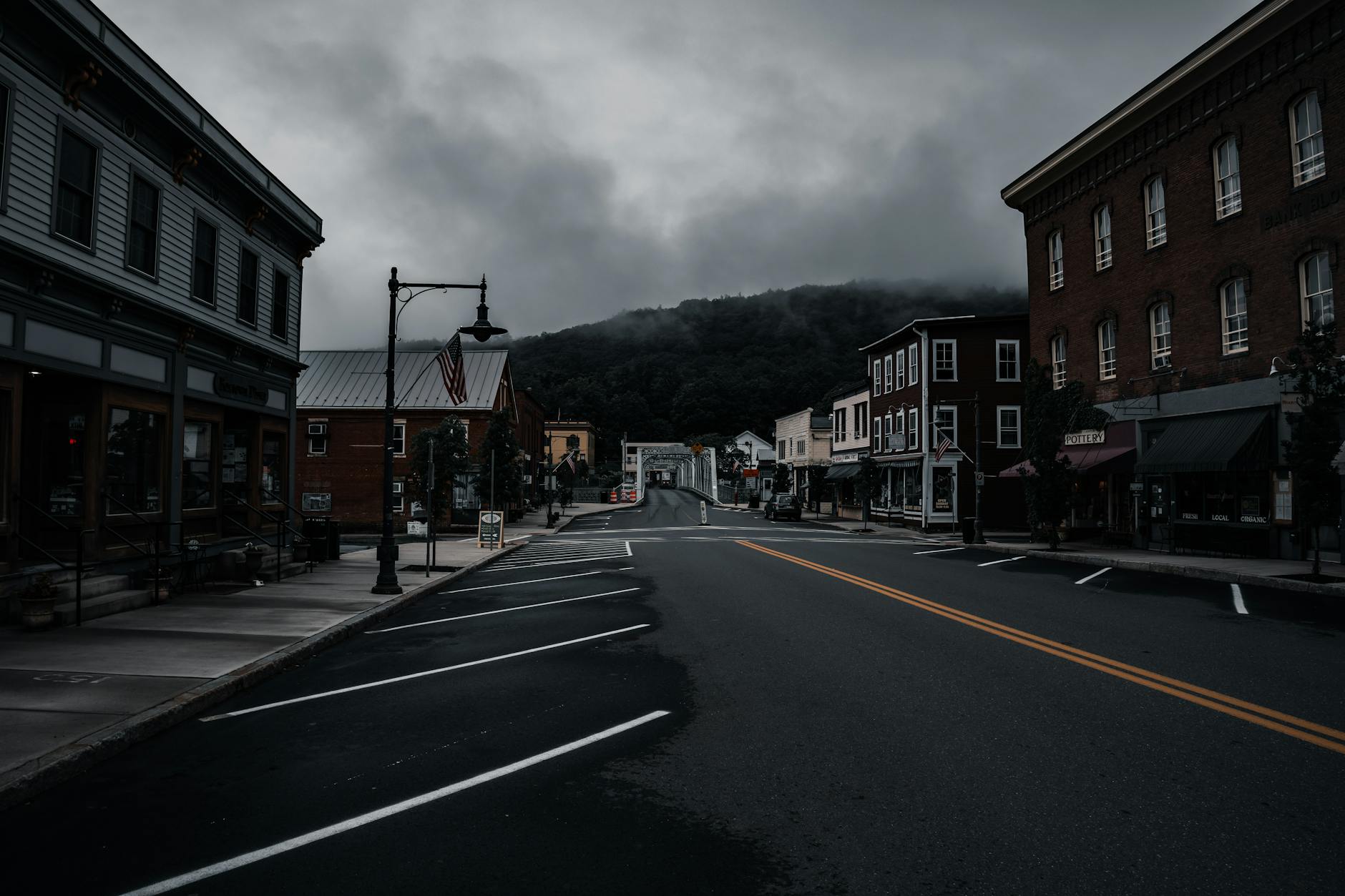
The infrastructure-focused strategy faces sustainability challenges as these newly elected Democrats take office. Delivering on campaign promises requires navigating complex federal and state funding mechanisms while maintaining local political support. Success in governance will determine whether this approach remains viable for future election cycles.
Other Democratic candidates nationwide are studying these rural victories for applicable lessons. The infrastructure messaging strategy might work in suburban areas dealing with aging water systems or urban districts needing transit improvements. However, each community requires tailored approaches based on specific local needs and political dynamics.
The broader implications extend beyond Democratic electoral strategy. Republican candidates may need to recalibrate their messaging to address infrastructure concerns more directly, potentially creating bipartisan opportunities for significant public works investments. Changing electoral demographics and voter priorities suggest that infrastructure-focused campaigns may become more common across party lines.
These rural Democratic victories demonstrate that American politics isn’t always as polarized as national headlines suggest. When candidates focus on solving practical problems that affect everyone’s daily lives, voters respond with surprising pragmatism. The infrastructure approach offers a potential model for reducing political division while addressing genuine community needs.
As America’s infrastructure continues aging and rural communities face economic challenges, the political rewards for addressing these concerns will likely grow. Candidates who master the balance between pragmatic problem-solving and effective coalition-building may find similar success in future elections, regardless of their party affiliation or the traditional political leanings of their districts.
Frequently Asked Questions
How are rural Democrats winning in Republican areas?
By focusing on local infrastructure needs like roads, broadband, and utilities rather than divisive national political issues.
What infrastructure issues matter most to rural voters?
Road maintenance, broadband internet access, water system improvements, and highway safety are top priorities that cross party lines.