Why Political Consultants Are Abandoning Television Ads for Digital Campaigns

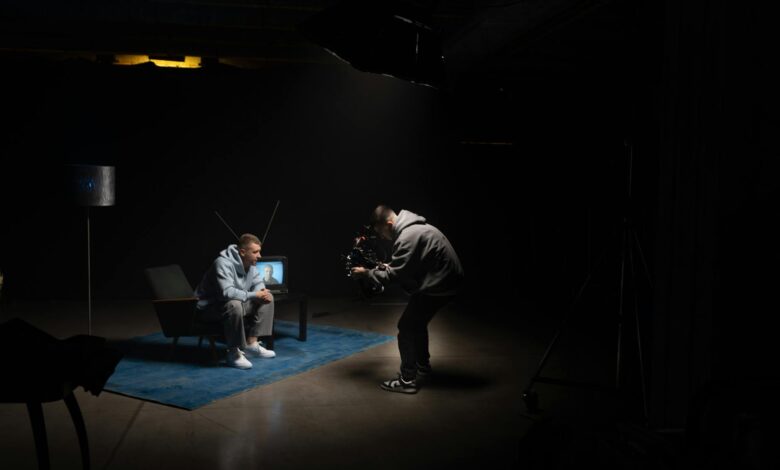
The 30-second television spot that once dominated American political campaigns is becoming an endangered species. This election cycle, campaign consultants are quietly pulling millions of dollars from traditional TV advertising and pouring resources into TikTok videos, YouTube pre-rolls, and precision-targeted Instagram ads that can reach voters scrolling through their phones at 11 PM.
The shift represents the most dramatic change in political advertising strategy since television displaced radio as the primary campaign medium in the 1960s. Major consulting firms that built their reputations on crafting memorable TV commercials now find themselves hiring social media specialists and data scientists instead of television producers.
“We’re seeing campaigns allocate 60 to 70 percent of their advertising budget to digital platforms, compared to maybe 20 percent just four years ago,” says Sarah Martinez, a veteran campaign strategist who has worked on Senate races across the country. “The math is simple: you can reach more people, more precisely, for less money.”
The Economics Behind the Exodus
Television advertising rates have skyrocketed while audience numbers have plummeted, creating an unsustainable equation for cash-strapped campaigns. A 30-second prime-time ad in a competitive market like Phoenix or Philadelphia can cost upwards of $15,000 during election season, reaching an aging audience that increasingly fast-forwards through commercials or streams content without ads entirely.
Digital platforms offer a stark contrast. Facebook and Instagram ads can reach specific demographic groups for as little as $5 per thousand impressions, with detailed analytics showing exactly who viewed the content and for how long. Google Ads allow campaigns to target voters searching for information about specific issues, capturing them at the moment they’re most engaged.
The targeting capabilities have revolutionized campaign strategy. Instead of broadcasting generic messages to entire media markets, consultants can now craft different ads for suburban mothers concerned about school funding, rural voters worried about agricultural policy, and urban professionals focused on transportation infrastructure. Each group receives messaging tailored to their specific concerns and interests.
“Traditional TV is like using a sledgehammer when you need a scalpel,” explains David Chen, who runs digital strategy for a prominent Republican consulting firm. “We can identify likely voters who care about immigration policy and live within five miles of the Mexican border, then serve them content specifically about border security initiatives.”
Where the Young Voters Actually Are
The demographic reality of American politics has forced consultants to follow voters to new platforms. Voters under 40 spend less than an hour per day watching traditional television, according to Nielsen data, while spending over three hours daily on social media and streaming platforms.
TikTok has emerged as a particularly powerful tool for reaching younger voters. The platform’s algorithm can make campaign content go viral organically, providing millions of views without the massive advertising budgets required for television reach. Successful political TikTok videos often feature authentic moments, behind-the-scenes campaign footage, or quick explanations of policy positions that feel more like conversations than traditional political advertisements.
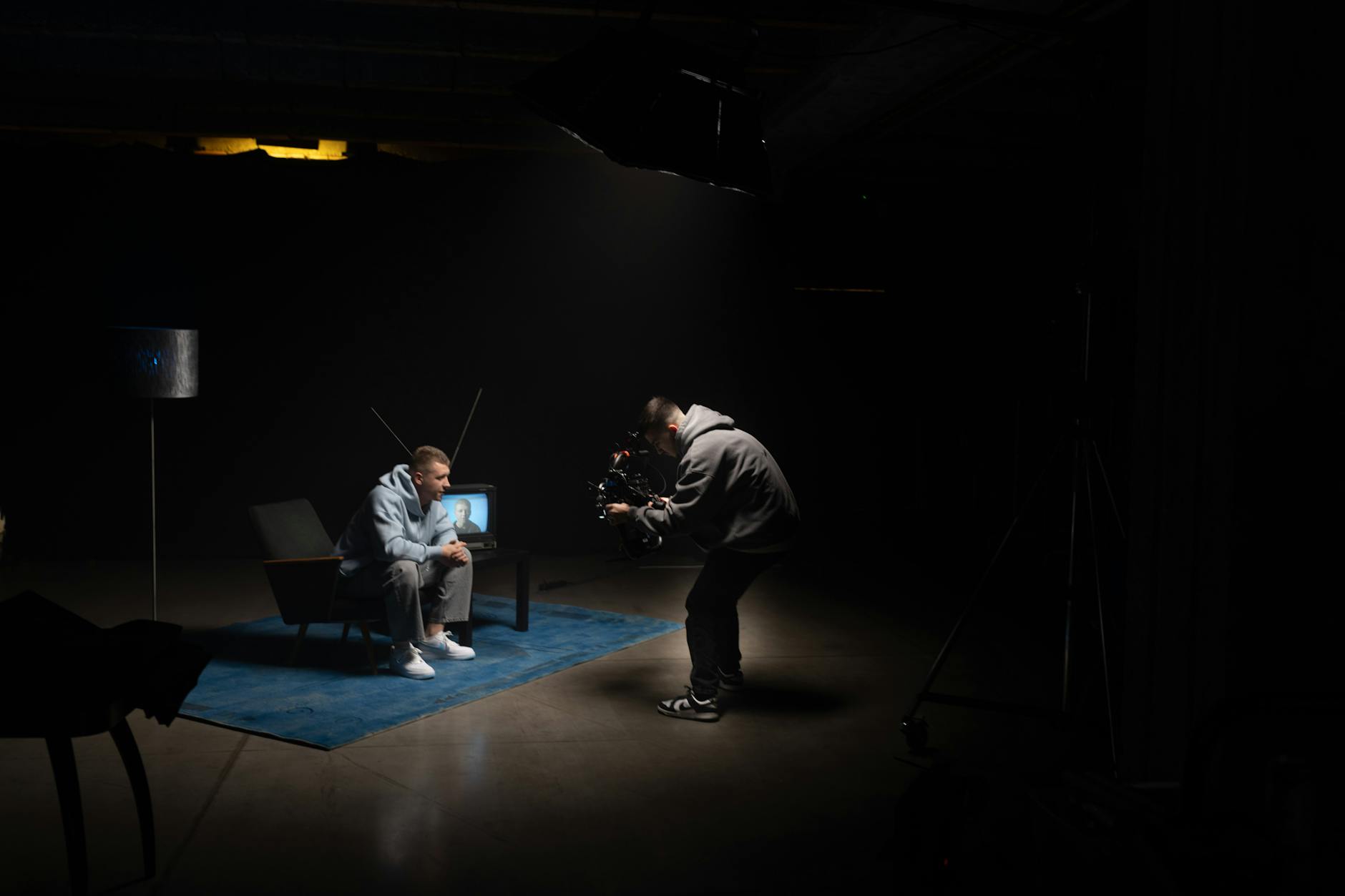
YouTube has become essential for longer-form political content. Campaigns now produce mini-documentaries, candidate interviews, and detailed policy explanations that can run five to ten minutes – formats impossible on traditional television due to cost constraints. These videos often generate more engagement than expensive TV commercials, with viewers choosing to watch rather than having ads interrupting their entertainment.
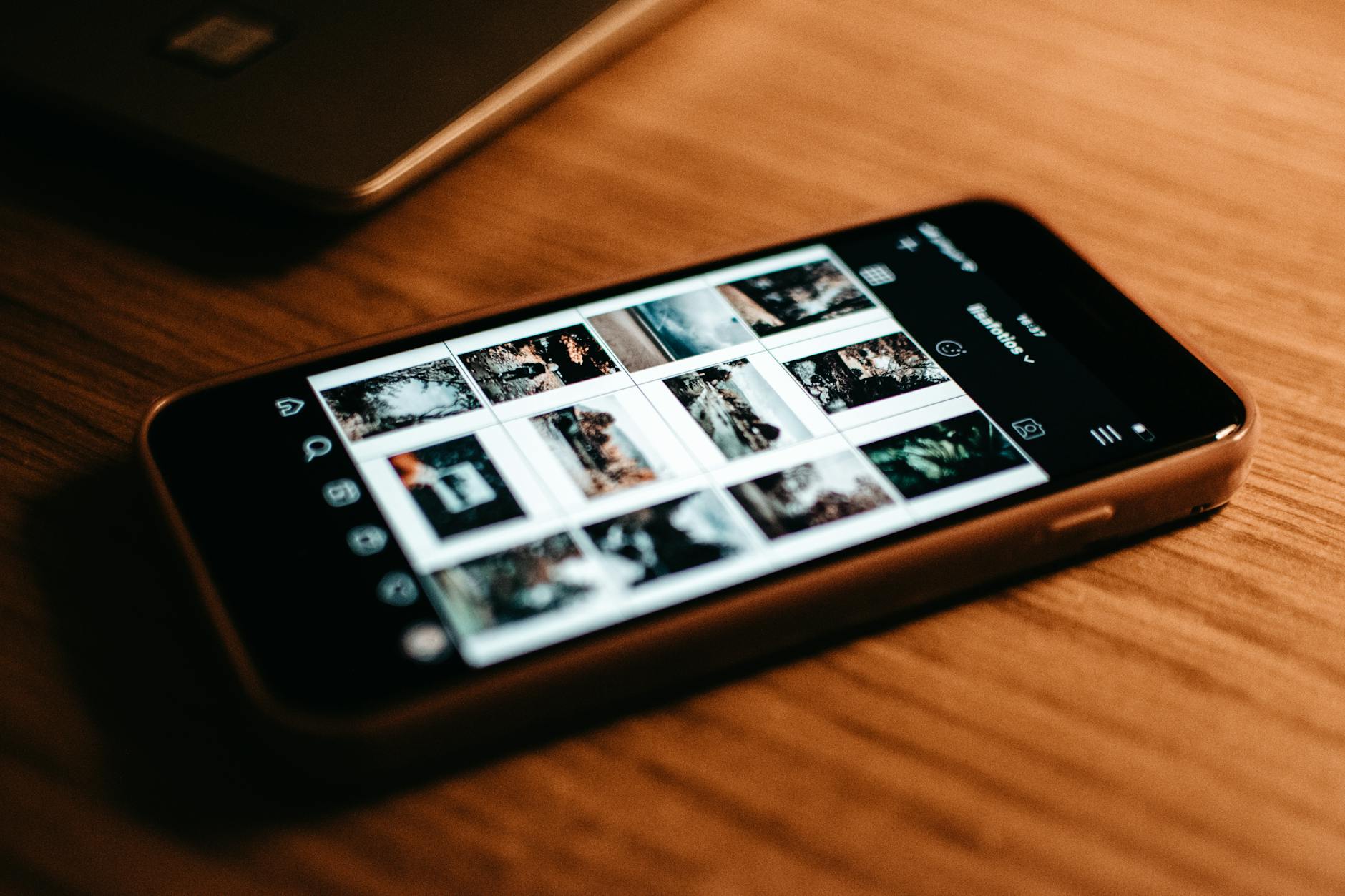
Instagram Stories and Snapchat have proven effective for real-time campaign updates and voter mobilization. Consultants use these platforms to share polling location information, early voting deadlines, and last-minute campaign events with supporters who have already expressed interest in the candidate.
The Data Revolution in Political Messaging
Digital platforms provide campaign consultants with unprecedented insight into message effectiveness. Unlike television commercials, which rely on post-campaign polling to measure impact, digital ads generate real-time feedback through clicks, shares, comments, and conversion tracking.
This immediate feedback loop allows campaigns to test multiple versions of ads simultaneously, adjusting messaging based on performance data. A campaign might test five different versions of an ad about healthcare policy, quickly identifying which resonates most strongly with target voters and scaling up successful content while eliminating ineffective messages.
The sophistication of digital targeting has reached levels that would have seemed like science fiction to previous generations of political consultants. Campaigns can now identify voters who have visited specific websites, attended certain events, or even walked past particular locations using location tracking data. This information helps craft highly personalized political messages.
Social media algorithms have fundamentally altered how political messages spread, requiring consultants to understand platform-specific strategies for content distribution and engagement.
Privacy concerns and platform policy changes have created new challenges for political advertisers. Apple’s iOS updates limiting tracking capabilities and increased scrutiny of political advertising on major platforms have forced consultants to develop new strategies for reaching voters while complying with evolving regulations.
Traditional Media Fights Back
Television stations and traditional media companies haven’t surrendered without a fight. Many have launched their own streaming platforms and digital advertising products, attempting to combine the credibility of established news brands with the targeting capabilities of digital platforms.
Local television news websites have become important battlegrounds for political advertising, as they often maintain strong credibility with voters while offering more sophisticated targeting options than traditional broadcast advertising. Campaigns can place ads on local news websites that appear only to voters in specific precincts or demographic categories.
Radio stations have similarly adapted, launching podcast networks and digital streaming services that allow for more targeted advertising while maintaining the local connections that make radio effective for certain voter segments.
However, these traditional media adaptations often lack the scale and sophisticated targeting capabilities of major digital platforms. Facebook’s user base of over 200 million American adults provides reach that local media companies cannot match, while Google’s search advertising captures voter intent in ways that traditional media cannot replicate.

The transformation of political advertising reflects broader changes in how Americans consume media and information. As streaming services replace cable television and social media becomes a primary news source for younger voters, political consultants must adapt their strategies or risk irrelevance.
The most successful campaigns now employ integrated digital strategies that span multiple platforms, creating cohesive messaging that follows voters throughout their daily digital routines. A voter might see a candidate’s Facebook ad in the morning, encounter a YouTube video during lunch break, and receive a targeted Instagram Story in the evening – all with coordinated messaging but platform-specific formats.
Looking ahead, emerging technologies like connected TV advertising and artificial intelligence-powered content creation promise to further revolutionize political campaigns. Consultants who master these new tools will likely dominate future election cycles, while those clinging to traditional television advertising may find themselves managing losing campaigns with outdated playbooks. The political consulting industry’s digital transformation isn’t just changing how campaigns reach voters – it’s fundamentally altering the nature of political communication itself.
Frequently Asked Questions
Why are political campaigns moving away from television advertising?
TV ads are expensive with declining viewership, while digital platforms offer better targeting and cost-effectiveness.
Which digital platforms are most effective for political campaigns?
Facebook, Instagram, YouTube, and TikTok lead in political advertising due to their targeting capabilities and large user bases.