Why Major Sports Leagues Are Losing Television Viewership to Streaming Platforms

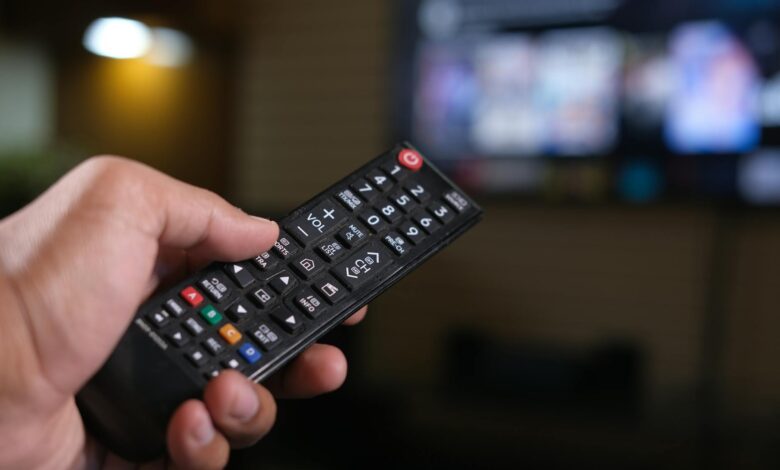
The numbers tell a stark story: NFL ratings dropped 7% last season, NBA viewership fell to historic lows, and MLB’s World Series attracted fewer viewers than a typical Sunday Night Football game just five years ago. Meanwhile, streaming platforms are signing billion-dollar deals to snatch exclusive rights from traditional broadcasters, fundamentally reshaping how Americans consume sports entertainment.
This seismic shift represents more than changing viewing habits. It signals a complete transformation of the sports media landscape, where decades-old broadcasting partnerships are crumbling under pressure from tech giants armed with unlimited budgets and younger audiences who have never owned a cable box.
The Cord-Cutting Revolution Hits Sports
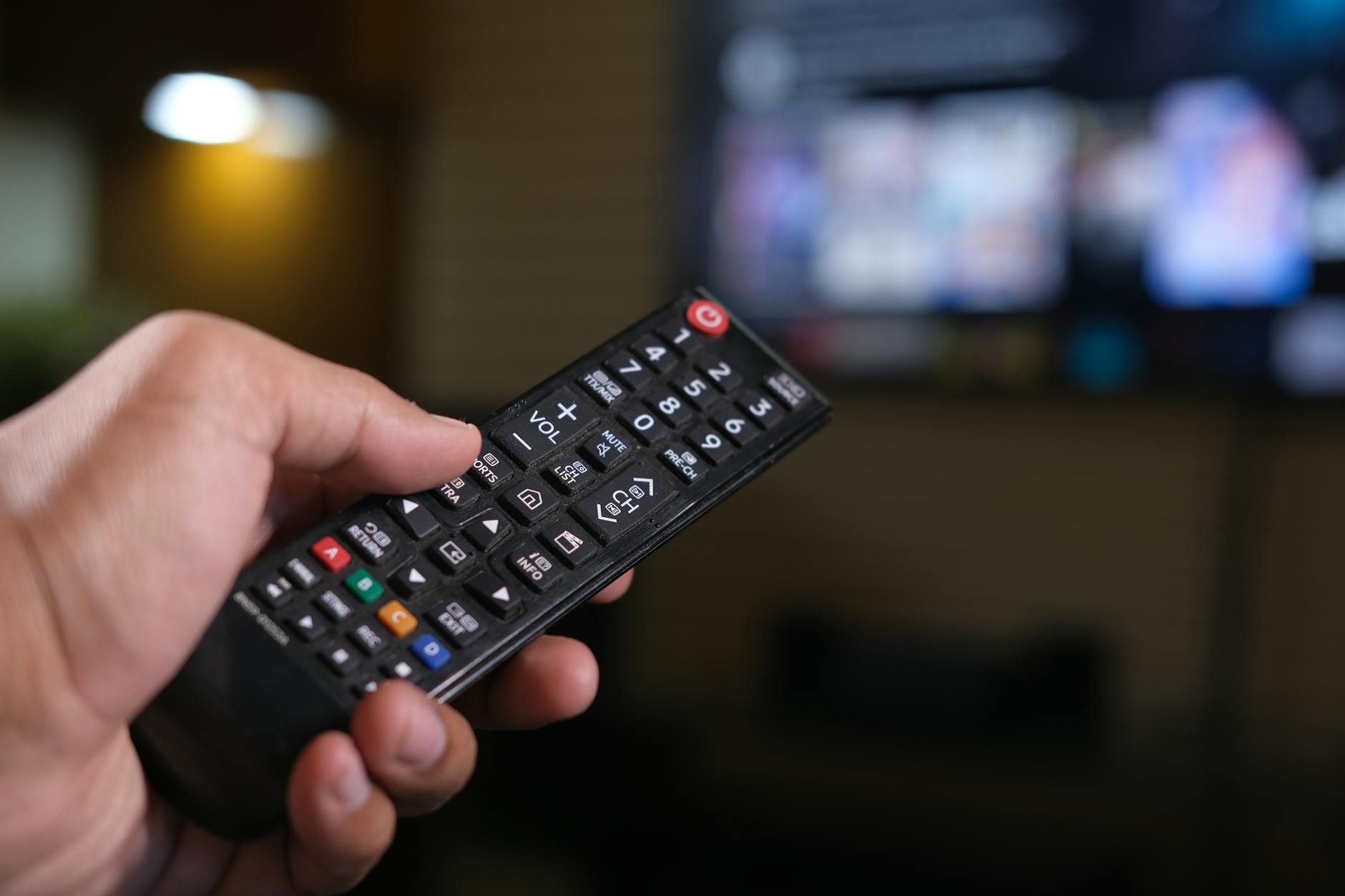
Traditional television’s grip on sports viewership is weakening at an unprecedented pace. Cable subscriptions have plummeted from 100 million households in 2010 to fewer than 70 million today, taking sports viewership down with them. ESPN, once the undisputed king of sports media, has lost over 25 million subscribers in the past decade.
The demographic shift is particularly striking among viewers under 35, who increasingly view traditional TV as antiquated. These younger fans gravitate toward platforms like Twitch, YouTube TV, and social media highlights rather than sitting through three-hour broadcasts filled with commercial breaks. They want instant access, customizable viewing experiences, and the ability to watch on any device.
Streaming services have responded by offering exactly what traditional TV cannot: flexibility, personalization, and often lower costs. Amazon Prime Video’s Thursday Night Football package, Apple TV+’s Major League Soccer deal, and Netflix’s recent foray into live sports demonstrate how streaming giants are positioning themselves as the future of sports entertainment.
The COVID-19 pandemic accelerated this transition, forcing millions of Americans to discover streaming alternatives while stuck at home. Many never returned to traditional cable packages, particularly as streaming services expanded their sports offerings during this period.
Streaming Platforms Outspend Traditional Networks
The financial firepower of streaming giants has fundamentally altered sports rights negotiations. Apple reportedly paid Major League Soccer over $2.5 billion for a 10-year exclusive deal, while Amazon secured Thursday Night Football rights for approximately $1 billion annually. These astronomical figures dwarf what traditional networks can reasonably offer while maintaining profitability.
Netflix, historically resistant to live sports, recently acquired WWE Raw in a multi-billion dollar deal, signaling even the most content-focused streamers recognize sports’ value as subscriber magnets. The platform’s global reach offers leagues something traditional broadcasters cannot match: instant international distribution without complex licensing agreements.
Streaming platforms view sports rights as loss leaders, using premium content to attract subscribers to their broader entertainment ecosystems. Amazon Prime Video subscribers, drawn initially by Thursday Night Football, often remain for free shipping and original programming. This bundled approach allows streamers to justify massive rights payments that would bankrupt traditional networks operating solely on advertising revenue.

The bidding wars have become so intense that some leagues are fragmenting their rights packages. MLB now splits games between Apple TV+, Peacock, Amazon Prime, and traditional networks, forcing fans to subscribe to multiple services to follow their teams completely. This fragmentation, while financially beneficial for leagues, creates viewer frustration and subscription fatigue.
The Advertising Model Breakdown
Traditional sports broadcasting built its foundation on advertising revenue, but that model is cracking under modern viewing behaviors. Younger demographics skip commercials, use ad blockers, and consume highlight packages instead of full games. This shift has devastated the advertising-dependent revenue streams that funded traditional sports coverage for decades.
Streaming platforms offer advertisers more precise targeting and engagement metrics than traditional broadcasts. Amazon Prime Video can deliver personalized ads based on purchase history, while traditional networks rely on broad demographic assumptions. This precision commands higher advertising rates per viewer, making streaming more attractive to sponsors despite smaller overall audiences.
The rise of sports betting has also shifted advertising dollars toward platforms that integrate gambling features seamlessly. Traditional broadcasters face regulatory restrictions that streaming services often circumvent through partnerships with betting companies, creating additional revenue streams unavailable to legacy media.
Social media highlights have shortened attention spans, with fans increasingly satisfied by Twitter clips and TikTok summaries rather than three-hour game broadcasts. This behavior pattern particularly affects baseball and basketball, where individual moments often carry more viral potential than complete games. The result is declining full-game viewership even when interest in specific teams or players remains high.
The Fragmentation Problem
The streaming revolution has created an unexpected consequence: sports content is now more fragmented than ever before. Fans must navigate multiple subscriptions to follow their favorite teams, creating a more expensive and complicated viewing experience than traditional cable ever imposed.
NFL games appear across CBS, NBC, Fox, ESPN, Amazon Prime Video, and occasionally other platforms for international markets. Basketball fans need access to TNT, ESPN, local sports networks, and increasingly streaming-exclusive games. This fragmentation has sparked consumer backlash and subscription service fatigue.
Unlike traditional programming, sports demand real-time viewing, making fragmentation particularly problematic. Fans cannot simply wait for shows to appear on their preferred platform months later. They must either subscribe to multiple services, rely on illegal streams, or miss games entirely.

The complexity has created opportunities for piracy to flourish. Illegal streaming sites often provide more comprehensive coverage than any single legitimate platform, offering every game from multiple leagues without geographic restrictions. This accessibility gap represents a significant challenge for both leagues and legitimate broadcasters.
Some streaming services have responded by forming partnerships, but these arrangements often exclude premium content. Disney’s bundle of Disney+, ESPN+, and Hulu provides broader access, yet major ESPN programming remains separate. Similar bundling strategies from other platforms could emerge, though each company seeks to maintain exclusive content that justifies individual subscriptions.
Looking Toward a Streaming-Dominated Future
The transformation appears irreversible as streaming platforms continue aggressive expansion into sports rights. Apple and Amazon possess financial resources that traditional networks cannot match, while their global distribution capabilities offer leagues unprecedented reach. The next major rights negotiations will likely see streaming services secure even more exclusive content.
Traditional broadcasters are adapting by launching their own streaming services and forming strategic partnerships, but they face the challenge of cannibalizing their existing cable revenue. ESPN’s upcoming standalone streaming service represents this dilemma: success could accelerate cable subscription cancellations that currently fund ESPN’s operations.
The future likely holds a hybrid model where some major events remain on broadcast television while regular season games migrate to streaming platforms. Super Bowl, World Series, and NBA Finals may retain broad accessibility, while weekly games become subscription-exclusive content.
This shift mirrors broader entertainment industry changes, where streaming has become the dominant force across all content categories. Disney’s recent strategic pivots across its entertainment properties demonstrate how even established media giants must adapt to streaming-first consumer preferences.
The ultimate winners will be platforms that can offer comprehensive sports packages at reasonable prices, solving the fragmentation problem that currently frustrates fans while providing leagues with the global reach and financial support they demand.
Frequently Asked Questions
Why are sports TV ratings declining so rapidly?
Cord-cutting, younger demographics preferring streaming platforms, and content fragmentation across multiple services are driving traditional TV sports viewership down.
Which streaming services have major sports deals?
Amazon Prime Video has NFL Thursday Night Football, Apple TV+ secured MLS rights, Netflix bought WWE Raw, and others are bidding aggressively for more content.