Major retailers are quietly retiring those plastic loyalty cards cluttering your wallet. Walmart, Target, and Amazon Fresh have begun testing fingerprint and facial recognition systems that identify customers instantly, promising faster checkouts and personalized shopping without fumbling for cards or apps.
This shift represents more than convenience. Biometric shopping systems can track customer behavior in ways traditional loyalty programs never could, while reducing fraud and creating seamless experiences that keep shoppers coming back. The technology that once seemed futuristic is now being deployed across thousands of stores nationwide.
The Technology Behind Biometric Shopping
Biometric retail systems rely on fingerprint scanners, facial recognition cameras, and palm reading devices to identify customers. Unlike loyalty cards that can be shared or forgotten, biometric markers are unique to each individual and always available.
Whole Foods has expanded its Amazon One palm-reading technology to over 500 locations, allowing customers to pay and collect rewards by hovering their hand over a scanner. The system maps palm lines and vein patterns to create a unique identifier linked to payment methods and purchase history.
Facial recognition systems operate differently, using cameras already installed for security purposes. These systems can identify returning customers as they enter the store, automatically applying personalized discounts and tracking shopping patterns throughout the visit. Several major grocery chains are testing this technology in select markets, though they’ve been cautious about public announcements due to privacy concerns.
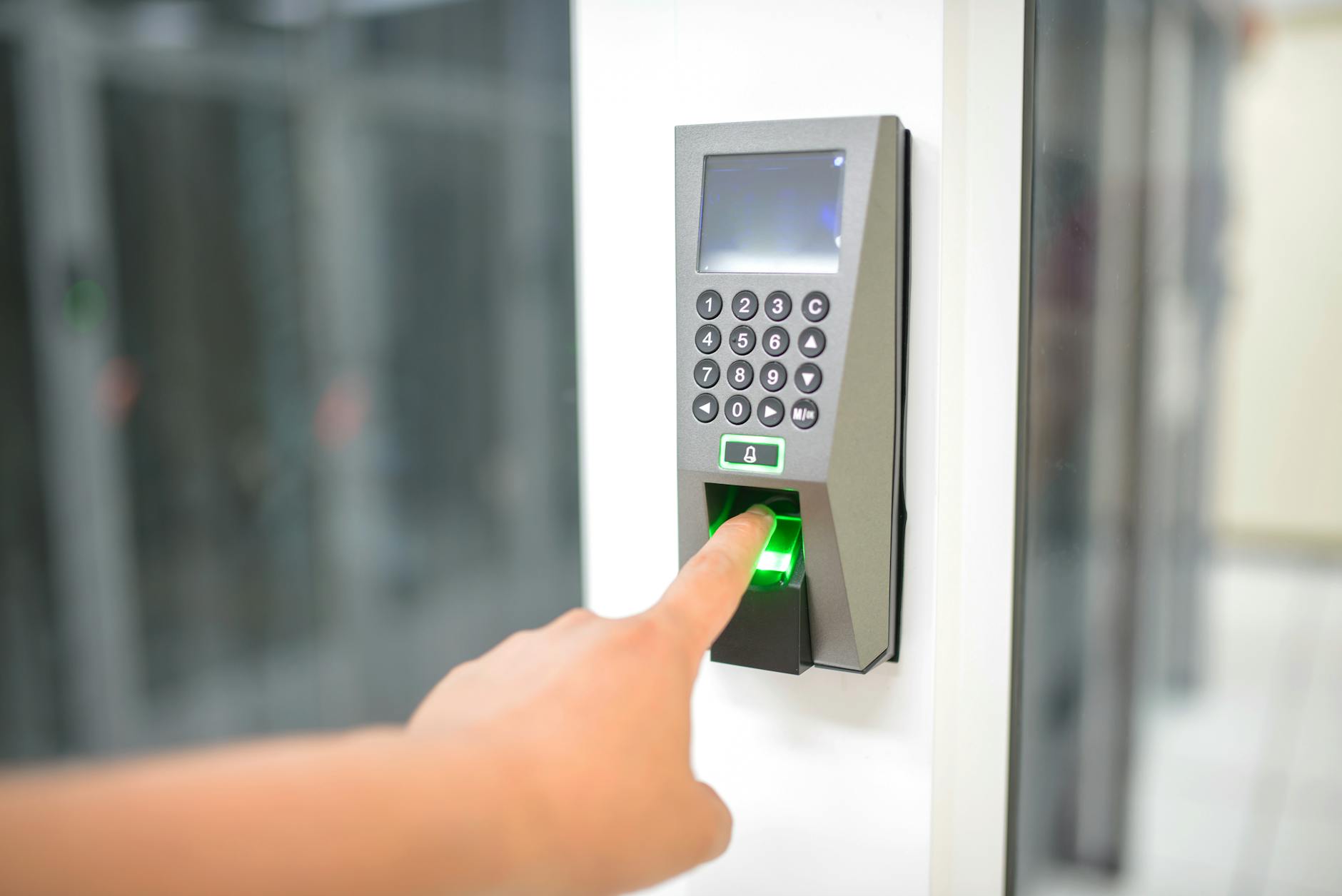
Fingerprint systems offer a middle ground, requiring active participation while providing strong security. Customers scan their finger at checkout terminals to access loyalty benefits and complete purchases, eliminating the need for physical cards or mobile apps that require phone access.
Why Retailers Are Making the Switch
The business case for biometric shopping extends beyond customer convenience. Traditional loyalty programs face significant challenges that biometric systems solve efficiently.
Card-based programs suffer from low engagement rates. Industry studies show that 90% of loyalty card holders carry their cards fewer than half the time they shop. Mobile apps perform better but still require customers to remember passwords, navigate interfaces, and keep phones charged. Biometric systems eliminate these friction points entirely.
Fraud prevention represents another major advantage. Loyalty card sharing costs retailers millions annually, as customers give cards to family members or friends to access discounts meant for specific shoppers. Biometric identifiers cannot be shared or duplicated, ensuring that promotional offers reach their intended recipients.
Data quality improves dramatically with biometric systems. Traditional loyalty programs capture purchase data only when customers present their cards. Biometric systems can track every visit and purchase, providing retailers with comprehensive customer profiles that drive better inventory decisions and targeted marketing.
Operational efficiency gains are substantial. Checkout times decrease when customers don’t need to search for cards or navigate mobile apps. Store associates spend less time troubleshooting loyalty program issues. Customer service calls about lost or damaged cards disappear entirely.
Privacy Concerns and Consumer Resistance
Despite the operational benefits, biometric shopping systems face significant consumer pushback over privacy and surveillance concerns. Unlike financial institutions that have successfully implemented biometric security, retailers must convince customers to share intimate biological data for shopping convenience.
Privacy advocates worry about data breaches and government surveillance. Biometric data, once compromised, cannot be changed like passwords or card numbers. The permanence of this information creates unique security risks that retailers must address through robust encryption and limited data retention policies.
Some consumers express discomfort with constant monitoring. Facial recognition systems can theoretically track customers throughout stores, noting which products they examine, how long they spend in different sections, and their emotional responses to displays. This level of surveillance feels invasive to many shoppers who prefer anonymous browsing.
Religious and cultural objections also emerge. Some customers avoid biometric systems due to beliefs about bodily autonomy or concerns about identity theft. Retailers must maintain alternative checkout options to serve these customers without creating second-class experiences.
Legal compliance varies by location. Several cities and states have banned or restricted biometric data collection, forcing retailers to navigate complex regulatory environments. California’s strict privacy laws require explicit consent and detailed disclosures that can complicate implementation.
Similar to how major banks are acquiring cryptocurrency exchange platforms to meet changing customer expectations, retailers are betting that biometric convenience will overcome initial privacy resistance as the technology becomes more widespread.
Implementation Strategies and Market Response
Retailers are adopting different approaches to introduce biometric shopping systems. Some focus on gradual rollouts in select markets, while others integrate biometrics into existing loyalty programs rather than complete replacements.
Amazon leads with aggressive expansion of its palm-reading technology beyond Whole Foods to other retailers including Panera Bread and Hudson News airport locations. The company positions Amazon One as a third-party service that other retailers can adopt, similar to how payment processors operate.
Traditional retailers take more cautious approaches. Many are testing biometric systems in limited store counts while maintaining traditional loyalty programs. This dual approach allows them to gather customer feedback and refine the technology before wider deployment.
Staff training becomes critical for successful implementation. Employees must understand how biometric systems work, address customer concerns, and troubleshoot technical issues. Retailers investing in comprehensive training programs report higher customer satisfaction and adoption rates.
Marketing strategies vary significantly. Some retailers emphasize speed and convenience benefits, while others focus on enhanced security and personalization. Early data suggests that convenience messaging resonates more effectively with younger customers, while security benefits appeal to older demographics.
The future of retail loyalty is becoming increasingly biometric, driven by operational efficiencies and customer experience improvements that traditional card programs cannot match. While privacy concerns persist, retailers betting on biometric adoption are positioning themselves for a competitive advantage in an increasingly digital marketplace where seamless, personalized experiences drive customer loyalty more than plastic cards ever could.
Frequently Asked Questions
Which retailers are using biometric shopping systems?
Whole Foods, Amazon Fresh, and several major grocery chains are testing fingerprint, palm reading, and facial recognition systems.
Are biometric shopping systems safe for customer privacy?
Retailers use encryption and limited data retention, but privacy advocates worry about data breaches and surveillance concerns.