Why Major Retailers Are Abandoning Self-Checkout Systems After Customer Backlash

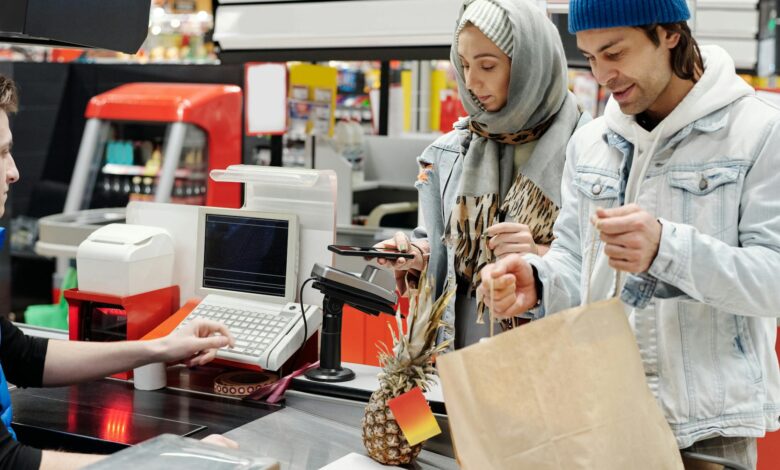
Major retailers across America are quietly dismantling the self-checkout systems they once championed as the future of shopping. After years of customer complaints, mounting theft losses, and operational headaches, companies like Walmart, Target, and Costco are scaling back or completely removing these automated stations in favor of human cashiers.
The reversal marks a stunning retreat from what was supposed to be retail’s next evolution. Self-checkout technology, which exploded during the pandemic as stores sought contactless solutions, now faces an identity crisis as retailers discover that customers actually prefer human interaction when spending their money.
The Customer Revolt Against Self-Service
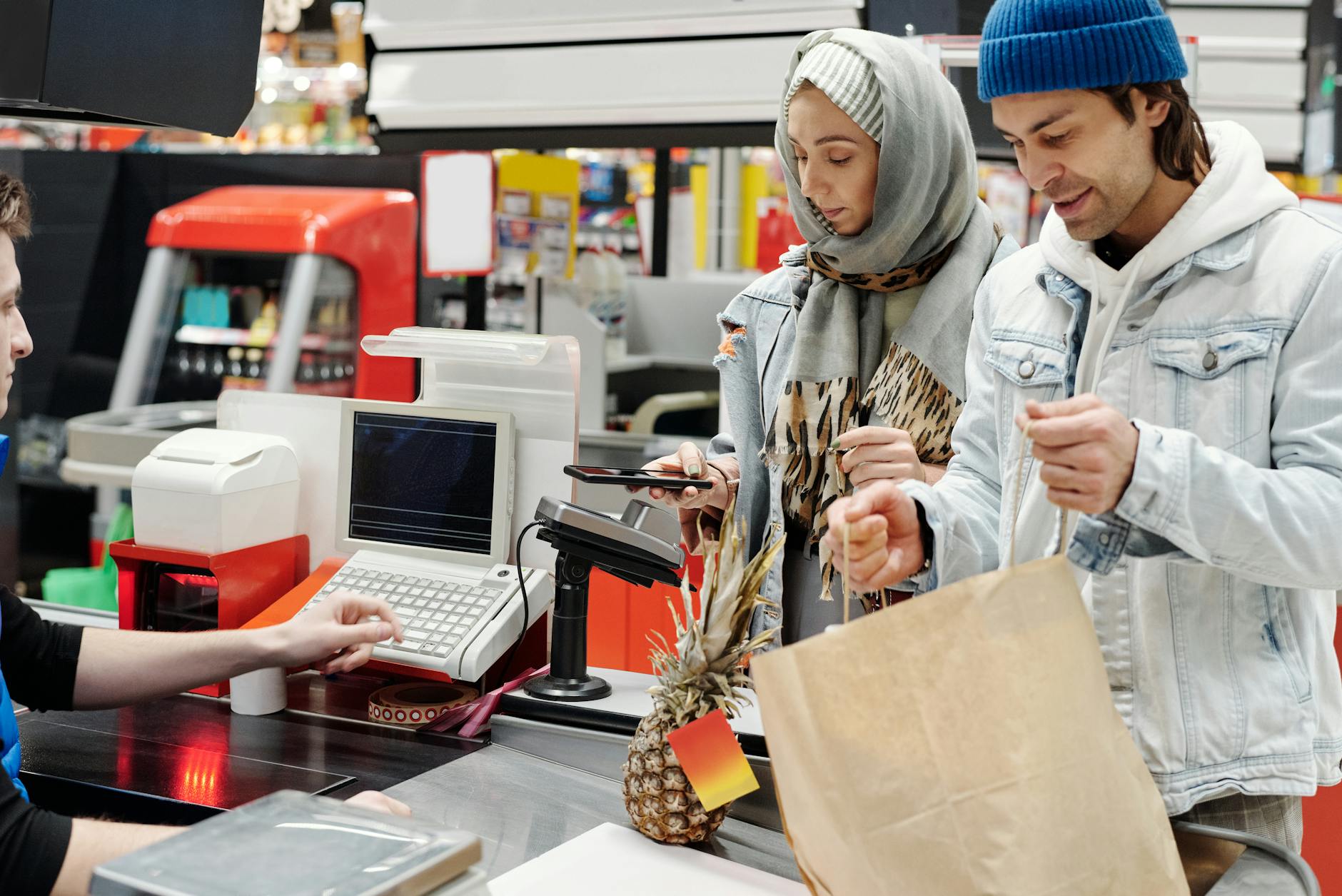
Customer frustration with self-checkout systems has reached a tipping point. Shoppers report frequent technical glitches, age verification delays for items like alcohol and cold medicine, and the awkward dance of waiting for assistance when machines inevitably malfunction. The dreaded “unexpected item in bagging area” message has become a cultural punchline, but for retailers, it represents a serious customer experience problem.
Recent surveys show that 67% of shoppers prefer human cashiers over self-checkout, citing speed and convenience as primary factors. Contrary to retailer expectations, most customers don’t find self-scanning faster than traditional checkout, especially when purchasing multiple items or dealing with produce that requires weight-based pricing.
“The promise was that self-checkout would be quicker and more convenient,” says retail analyst Maria Rodriguez. “But when you factor in the time spent scanning items, dealing with technical issues, and waiting for staff assistance, many shoppers end up taking longer than they would with a cashier.”
The generational divide is particularly stark. While younger consumers show more tolerance for self-service technology, older shoppers often struggle with touchscreen interfaces and barcode scanning, leading to longer wait times and increased frustration for everyone in line.
Theft and Loss Prevention Challenges
The financial reality behind self-checkout removal centers on theft prevention. Retailers have discovered that self-service stations create significantly more opportunities for both intentional and accidental theft. Industry data suggests that stores with heavy self-checkout usage experience theft rates up to 50% higher than traditional checkout areas.
The problem isn’t limited to deliberate shoplifting. Many losses occur through scanning errors, missed items, and customers who simply don’t understand how to properly use the systems. Weight sensors designed to prevent theft often trigger false alarms, creating more work for staff while failing to catch actual theft attempts.
Walmart has been particularly vocal about this issue, with executives noting that self-checkout theft has become a significant drag on profitability. The company has begun limiting self-checkout to customers with fewer items and increasing staff supervision in these areas. Some Walmart locations have removed self-checkout entirely during certain hours or for specific customer groups.
Target has taken a different approach, redesigning their self-checkout areas to include more visible staff supervision and limiting the number of items customers can scan themselves. The company found that theft rates dropped significantly when employees were stationed directly within self-checkout zones rather than monitoring from a distance.
Operational Costs and Staffing Realities
The economics of self-checkout have proven more complex than retailers initially calculated. While these systems reduce the need for cashiers, they require specialized technical support, frequent maintenance, and dedicated oversight staff to assist customers and prevent theft. Many stores find themselves deploying almost as many employees to manage self-checkout areas as they would need for traditional lanes.
Costco has been among the most aggressive in scaling back self-checkout, removing the option entirely from many locations after determining that the operational costs outweighed the labor savings. The warehouse retailer found that members preferred the speed and efficiency of staffed checkout lanes, especially when purchasing bulk items that don’t scan easily.
Technical maintenance represents another hidden cost. Self-checkout machines require regular software updates, hardware repairs, and calibration to function properly. When systems break down, stores often have to redirect customers to already busy traditional lanes, creating longer wait times and customer dissatisfaction.
The staffing equation has also shifted as labor markets have tightened. With unemployment rates near historic lows, retailers are finding it easier to hire and retain cashiers than expected. The competitive job market has forced many stores to offer higher wages and better benefits, making human employees a more attractive option than previously anticipated.
The Return to Human-Centered Service
Some retailers are discovering that removing self-checkout actually improves customer satisfaction and sales. Stores report that human cashiers are better at engaging customers, promoting loyalty programs, and suggesting additional purchases. This human interaction creates opportunities for upselling that self-service machines simply cannot replicate.
The trend aligns with broader changes in consumer behavior, as shoppers increasingly value personalized service and authentic interactions. How Private Label Brands Are Overtaking Name Brands in Grocery Stores reveals similar patterns of consumers seeking more personalized shopping experiences.
Regional grocery chains have been particularly successful in this pivot. Many smaller retailers never fully embraced self-checkout and are now marketing their human-staffed approach as a competitive advantage against larger competitors. These stores emphasize customer service, local knowledge, and personal relationships as differentiators.
Even technology-forward retailers are reconsidering their automation strategies. Amazon, which pioneered cashier-less stores with Amazon Go, has slowed expansion of the concept and is focusing more on hybrid approaches that combine technology with human staff.
The retreat from self-checkout represents more than just a tactical business decision – it signals a broader recognition that automation isn’t always the answer to retail challenges. As stores continue to navigate post-pandemic consumer preferences and economic pressures, many are discovering that the human element remains irreplaceable in creating positive shopping experiences.
Moving forward, successful retailers will likely adopt hybrid models that use self-checkout for specific situations while maintaining robust human-staffed options. The key will be giving customers choice rather than forcing them into automated systems that many find frustrating and impersonal. The future of retail checkout may be less about choosing between humans and machines, and more about finding the right balance between efficiency and customer satisfaction.
Frequently Asked Questions
Why are stores removing self-checkout machines?
Stores cite customer complaints, increased theft, technical problems, and higher operational costs than expected.
Which retailers have removed self-checkout systems?
Walmart, Target, and Costco have all scaled back or removed self-checkout in various locations.