Why Major Department Stores Are Converting Floor Space into Fulfillment Centers

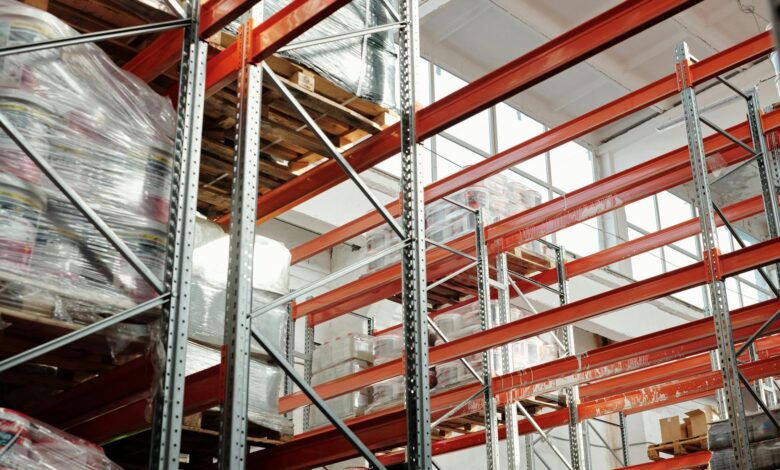
The department store aisles that once displayed the latest fashion trends are now buzzing with robotic arms and conveyor belts. Macy’s, Nordstrom, and other retail giants are quietly transforming their prime real estate into high-tech fulfillment centers, marking one of the most dramatic shifts in retail strategy since the rise of e-commerce.
This transformation represents more than just a response to declining foot traffic. Major retailers are discovering that their existing floor space can serve dual purposes – maintaining a customer-facing presence while functioning as strategic distribution hubs in an increasingly competitive delivery landscape.
The Economics Behind the Transformation
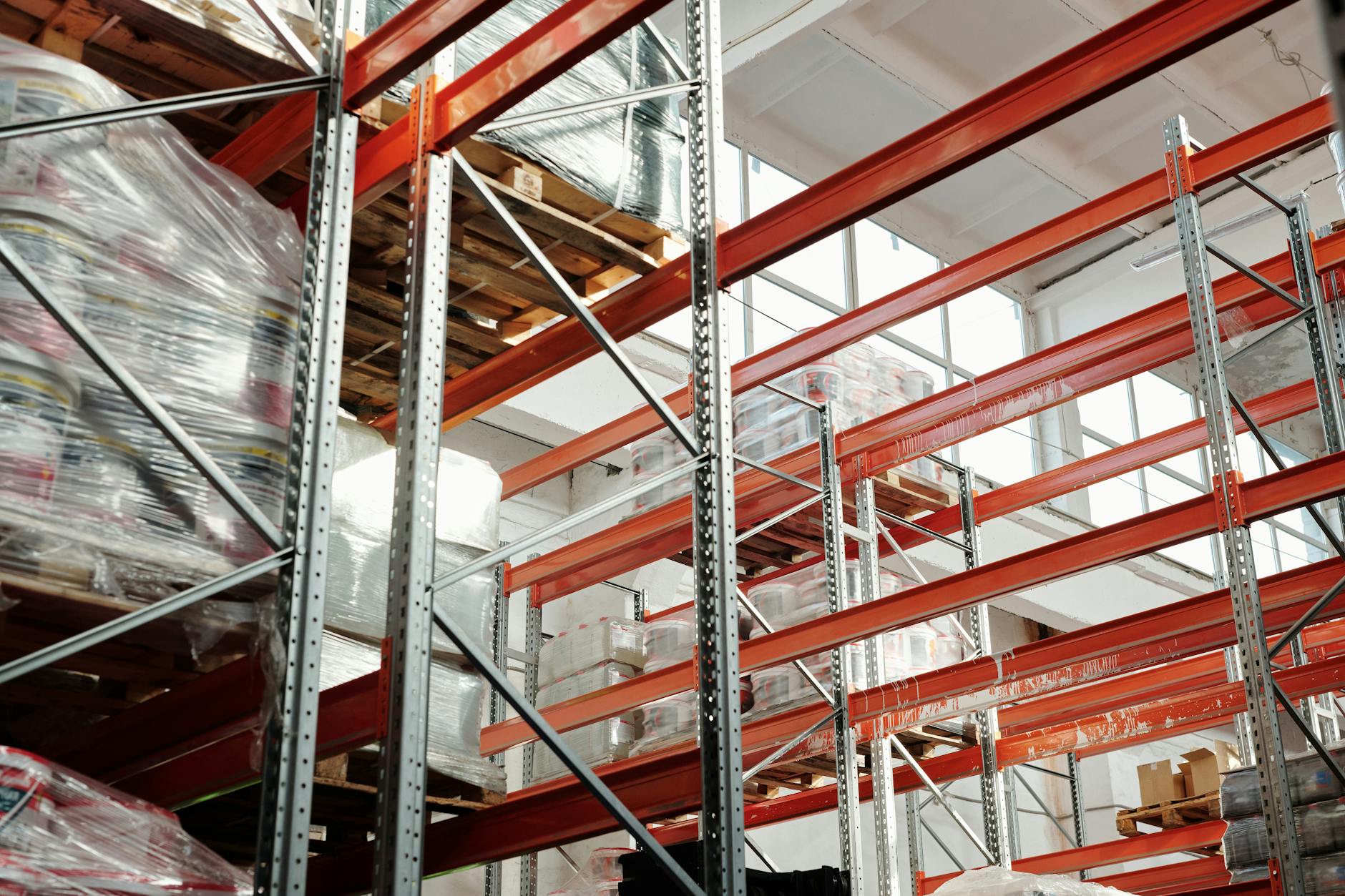
Traditional department stores face a harsh reality: their massive square footage often generates less revenue per square foot than online sales. Converting portions of these spaces into fulfillment operations creates immediate cost savings while improving delivery capabilities.
Nordstrom pioneered this approach by dedicating entire floors of select stores to order fulfillment. The company found that using store space for inventory and shipping cut delivery times by up to 40% in major metropolitan areas. This hybrid model allows them to maintain their customer service reputation while competing with Amazon’s lightning-fast delivery promises.
Macy’s has taken an even more aggressive approach, converting basement levels and back-of-house areas into automated sorting and packing facilities. The retail giant can now fulfill online orders from over 500 store locations, creating a distributed network that rivals dedicated warehouses in efficiency.
The financial benefits extend beyond shipping speeds. Real estate costs for traditional warehouses in urban areas have skyrocketed, with prime distribution centers commanding premium rents. Existing store leases, often signed years ago at lower rates, provide significant cost advantages. Additionally, retailers avoid the massive capital investment required to build new fulfillment centers from scratch.
Technology Integration and Operational Challenges
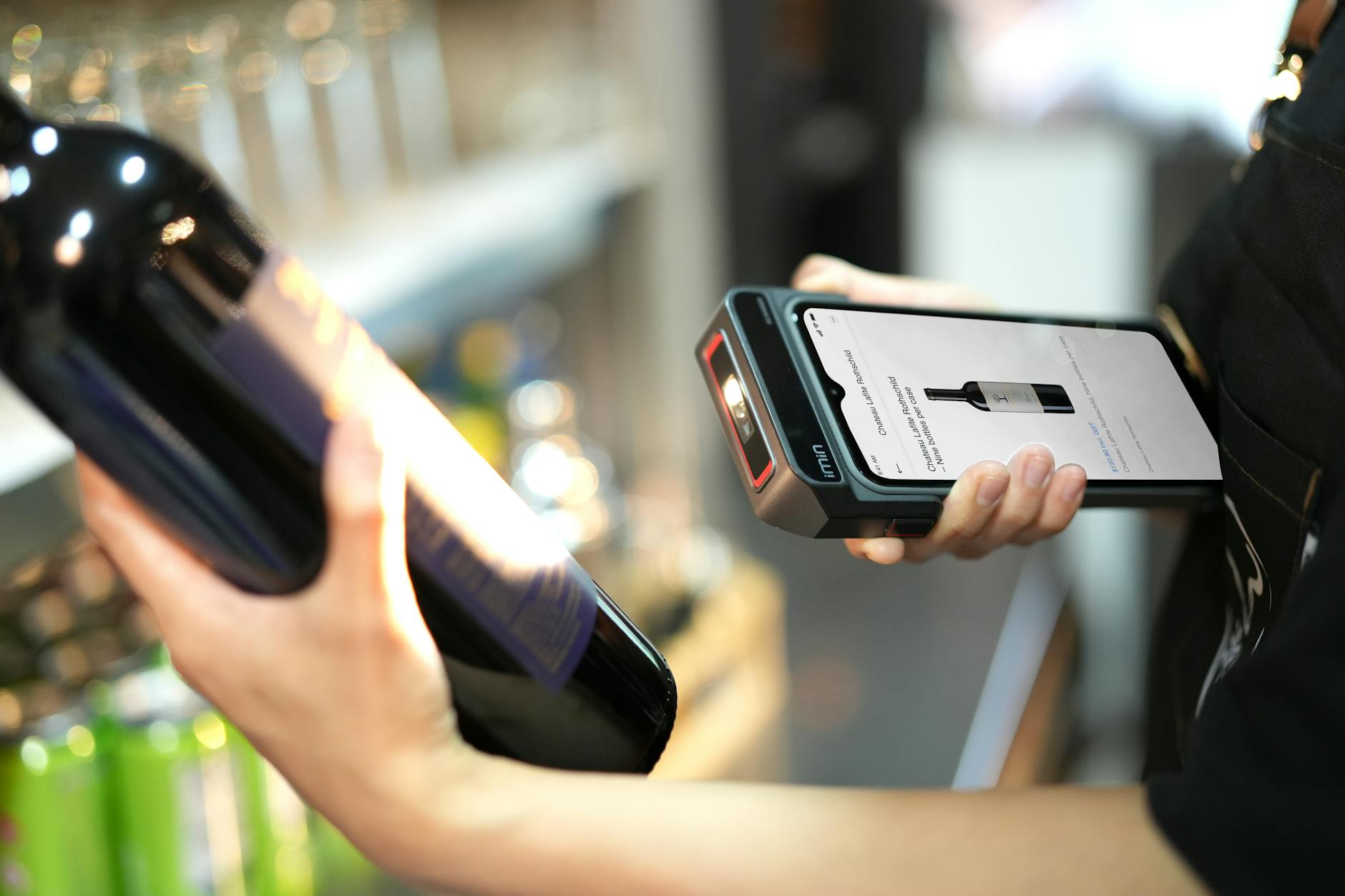
Converting retail space into fulfillment operations requires sophisticated technology integration. Stores must install inventory management systems that can track products designated for in-store sales versus online fulfillment. Advanced algorithms determine which items should be displayed on the sales floor and which should remain in the back-of-house fulfillment area.
Target has invested heavily in this technological infrastructure, implementing systems that allow the same inventory to serve both walk-in customers and online orders. Their “ship from store” program now fulfills over 80% of online orders from retail locations rather than dedicated warehouses.
The operational challenges are significant. Staff must be cross-trained to handle both customer service and order fulfillment duties. Peak shopping seasons create competing demands for floor space, inventory, and personnel. Retailers report that managing dual-purpose locations requires more complex scheduling and inventory planning than traditional single-function facilities.
Noise and visual disruption from fulfillment operations can also impact the shopping experience. Retailers have responded by scheduling most fulfillment activities during off-peak hours and investing in quieter automation equipment. Some stores have created separate entrances for delivery vehicles to minimize disruption to retail customers.
The Customer Experience Evolution
Rather than viewing fulfillment centers as separate from retail operations, forward-thinking stores are integrating them into the customer experience. Best Buy allows customers to see their online orders being prepared in real-time through glass windows separating retail and fulfillment areas. This transparency builds trust and demonstrates the company’s operational efficiency.
Buy-online-pick-up-in-store (BOPIS) services have become a cornerstone of this strategy. Customers can order products online and collect them within hours from a dedicated pickup area, often located adjacent to the fulfillment operations. This service has proven popular with time-conscious shoppers and has driven additional impulse purchases when customers enter the store for pickup.
Some retailers are experimenting with “endless aisle” concepts, where customers can access the full online inventory from in-store kiosks. If an item isn’t available on the sales floor, it can be retrieved from the store’s fulfillment area or shipped directly to the customer’s home. This approach maximizes the perceived inventory available to in-store shoppers.
The integration extends to returns processing as well. Customers can return online purchases to any store location, where the items are immediately processed for resale or redistribution through the store’s fulfillment network. This creates a seamless omnichannel experience that traditional e-commerce retailers struggle to match.
Competitive Advantages and Market Response
The store-as-fulfillment-center model provides several competitive advantages that pure-play online retailers cannot easily replicate. Physical locations offer customers immediate gratification through same-day pickup or delivery options. This speed advantage becomes crucial for last-minute purchases or emergency needs.
Labor costs can be more efficient in the hybrid model. Store employees can assist customers during peak hours and switch to fulfillment tasks during slower periods, maximizing productivity throughout the day. This flexibility is particularly valuable during seasonal fluctuations in demand.
Amazon has responded to this trend by expanding its physical footprint through Amazon Fresh stores and acquiring Whole Foods. The e-commerce giant recognizes that proximity to customers through physical locations provides delivery and cost advantages that cannot be achieved through traditional warehouses alone.
The success of store-based fulfillment has attracted new entrants to the market. Several third-party logistics companies now offer services to help smaller retailers convert portions of their store space into fulfillment operations. This democratizes the technology and operational expertise previously available only to large retailers with significant resources.
Supply chain disruptions have further validated this strategy. When dedicated fulfillment centers experience delays or shutdowns, retailers with distributed store-based operations can maintain service levels by shifting volume to unaffected locations. This resilience has become increasingly valuable as businesses seek to reduce supply chain risks, similar to how manufacturers are reshoring production to increase supply chain control.
Future of Retail Real Estate
The department store transformation reflects a broader evolution in retail real estate utilization. Traditional boundaries between warehouses, stores, and distribution centers are dissolving as retailers optimize their physical footprint for omnichannel operations.
Industry experts predict that successful retailers of the future will view every square foot of real estate as potentially serving multiple functions. Stores will continue to evolve from pure retail spaces into experiential destinations, showrooms, and logistics hubs simultaneously.
The trend is accelerating as commercial real estate costs continue rising and customer delivery expectations become more demanding. Retailers that can effectively integrate fulfillment operations into their store network will have significant advantages in both cost structure and customer service capabilities.
This transformation represents more than operational efficiency – it’s a fundamental reimagining of what a retail store can be. As department stores continue adapting their spaces for dual purposes, they’re not just surviving the e-commerce revolution – they’re creating competitive advantages that online-only retailers will find difficult to match.
Frequently Asked Questions
Why are department stores converting floor space into fulfillment centers?
Stores are maximizing real estate efficiency by using space for both retail and order fulfillment, reducing delivery times and operational costs.
How does store-based fulfillment benefit customers?
Customers get faster delivery times, same-day pickup options, and seamless returns processing at any store location.