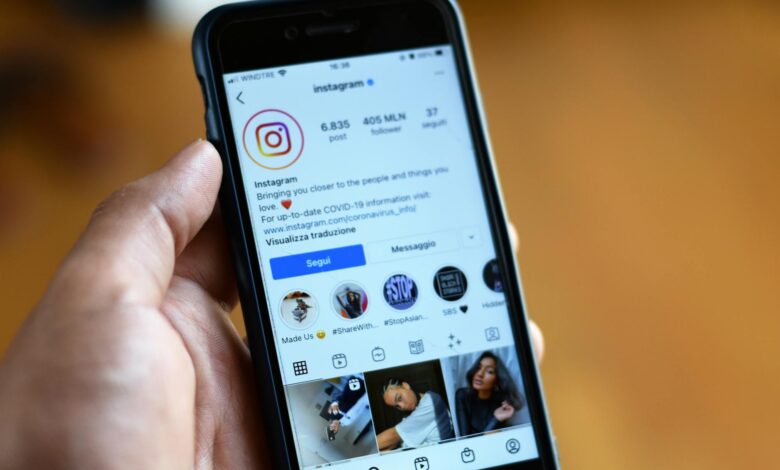
Major corporations are quietly pulling millions from influencer partnerships, marking a dramatic shift in digital marketing strategy. What started as the golden age of social media collaboration is now facing its biggest reckoning as brands discover the hidden costs of authenticity for hire.
The numbers tell a stark story. Marketing budgets once allocated to Instagram stars and TikTok creators are being redirected toward traditional advertising channels and emerging technologies. Companies that built their entire customer acquisition strategies around influencer partnerships are scrambling to find alternatives as return on investment plummets and consumer trust erodes.
This exodus isn’t happening overnight, but the signs are unmistakable. From beauty giants to tech startups, brands are questioning whether paying content creators to promote products actually drives sales or simply burns through marketing dollars with little measurable impact.
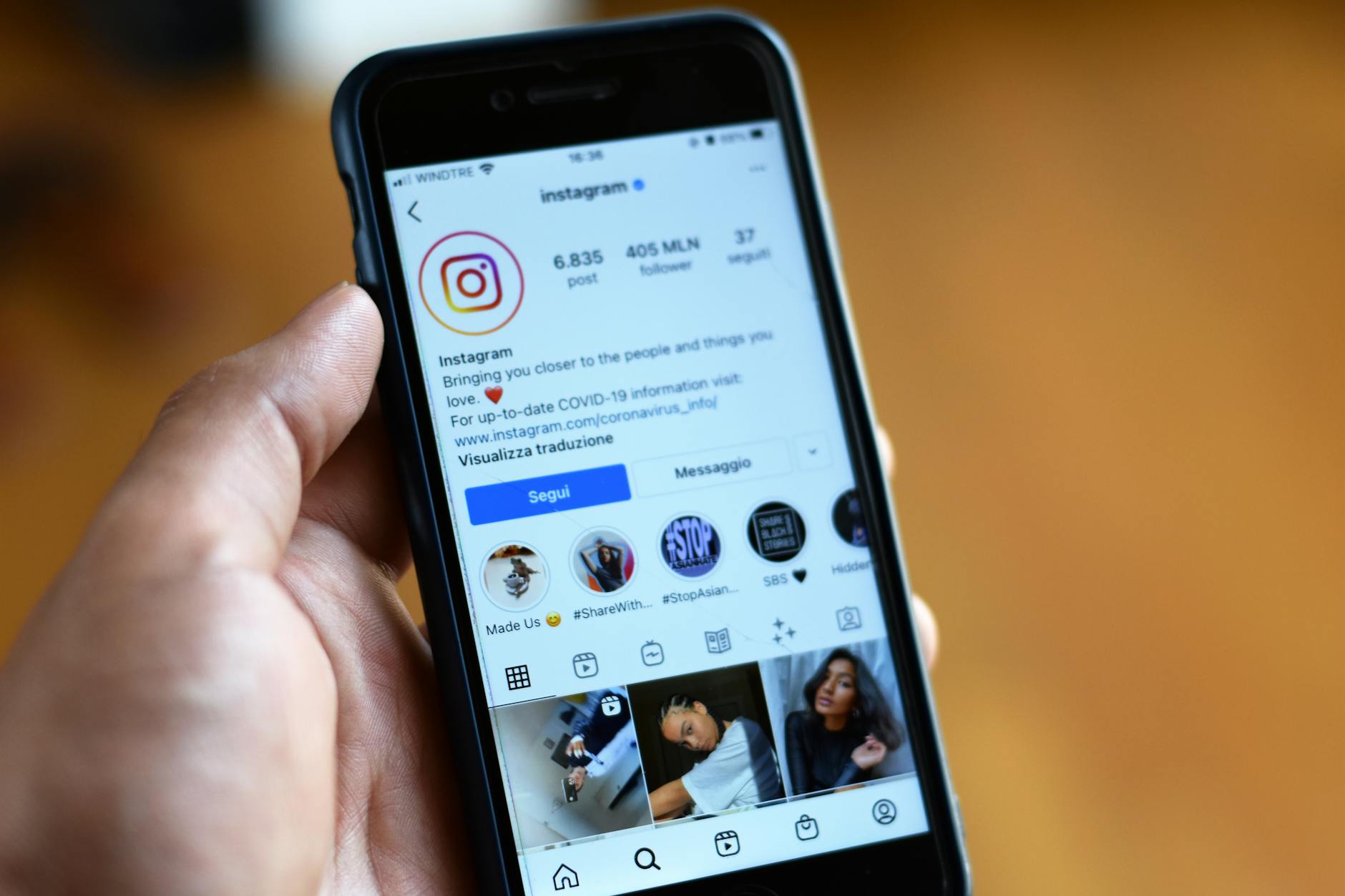
The Trust Factor Collapse
Consumer sentiment surveys reveal a growing skepticism toward sponsored content. The Federal Trade Commission’s stricter enforcement of disclosure requirements has made paid partnerships more transparent, but paradoxically less effective. When audiences see #ad or #sponsored, engagement rates drop significantly compared to organic content.
Research from marketing analytics firms shows that 73% of consumers now actively scroll past content they identify as sponsored. The authenticity that made influencer marketing attractive in the first place has become its greatest weakness. Followers who once trusted their favorite creators’ recommendations now view every post with suspicion.
Major beauty brands like Unilever and Procter & Gamble have publicly acknowledged this shift. Internal data reportedly shows that traditional television and digital display advertising now outperform influencer campaigns in both reach and conversion metrics. The cost per acquisition through influencer partnerships has increased by an estimated 40% over the past two years while effectiveness has declined.
The phenomenon extends beyond skeptical consumers. Influencers themselves are struggling with audience fatigue. Many high-profile creators report declining engagement rates despite growing follower counts, suggesting their audiences are becoming less responsive to promotional content regardless of disclosure practices.
Rising Costs, Diminishing Returns
The economics of influencer marketing have fundamentally changed. Top-tier influencers now command fees comparable to celebrity endorsements but without guaranteed reach or conversion. Micro-influencers, once considered the sweet spot for authentic engagement, are increasingly demanding higher compensation as the market matures.
Brands are discovering that managing influencer relationships requires significant internal resources. Campaign coordination, content approval, performance tracking, and legal compliance create overhead costs that weren’t initially factored into budget calculations. Small and medium-sized businesses particularly struggle with these operational demands.
Platform algorithm changes have compounded these challenges. Instagram and TikTok regularly adjust how content is distributed, making it difficult for brands to predict campaign performance. A creator with one million followers might reach only 50,000 people with a sponsored post, depending on algorithmic preferences and user behavior patterns.

The subscription box industry, which heavily relied on influencer unboxing videos and promotional codes, has been particularly affected. Many companies in this sector are now pivoting their marketing strategies toward performance-based advertising and customer referral programs.
Attribution problems plague influencer campaigns. Unlike direct response advertising where clicks and conversions can be tracked precisely, influencer marketing often relies on discount codes and affiliate links that provide incomplete data. Brands struggle to determine which partnerships actually drive sales versus which simply generate vanity metrics like likes and comments.
The Fraud and Authenticity Crisis
Fake followers, engagement pods, and bot networks have undermined the credibility of influencer metrics. Brands that invested heavily in creators with impressive statistics later discovered their audiences were largely artificial. The discovery of widespread fraud has made marketers more cautious about influencer partnerships across the board.
Platform verification systems haven’t solved the authenticity problem. Even verified accounts can purchase engagement or use services that artificially inflate their reach. Sophisticated fraud detection tools are emerging, but they add another layer of complexity and cost to influencer campaign management.
Legal risks have also increased. The FTC’s updated guidelines require more explicit disclosures and hold brands accountable for their partners’ compliance. Several high-profile enforcement actions have made companies more risk-averse when it comes to influencer collaborations. Legal teams now scrutinize campaigns that previously would have been approved without question.
Content quality concerns add another dimension to brand hesitation. Unlike professional advertising where companies control messaging and creative execution, influencer partnerships often produce content that doesn’t meet brand standards. The authentic, unpolished aesthetic that made influencer content appealing can clash with corporate brand guidelines.
Alternative Strategies Gaining Momentum
Connected TV advertising is absorbing much of the budget previously allocated to influencer marketing. Streaming platforms offer the targeting capabilities that made social media attractive while providing the production values and reach of traditional television. Brands can create compelling video content without depending on third-party creators.

Employee advocacy programs are replacing external influencer partnerships at many companies. Internal staff members sharing authentic experiences with products and company culture often generate higher trust levels than paid promoters. These programs also align with corporate social responsibility initiatives and internal engagement goals.
Performance-based partnerships are becoming more appealing than traditional influencer deals. Affiliate marketing programs, where creators earn commissions only when they drive actual sales, shift risk away from brands while potentially offering higher returns for successful partnerships. This model appeals to results-focused marketing teams who need to demonstrate clear ROI.
Direct customer engagement through branded content, email marketing, and loyalty programs is receiving renewed attention. Companies are realizing that building direct relationships with customers may be more valuable long-term than paying intermediaries to reach those same audiences. This approach also provides better data ownership and customer insights.
The shift away from influencer marketing reflects broader changes in how consumers discover and evaluate products. Social commerce features on platforms like Instagram and TikTok are evolving, but many brands prefer to drive traffic to their own websites where they control the shopping experience and customer data.
As marketing budgets face increased scrutiny and performance expectations rise, the era of experimental influencer spending appears to be ending. Companies that achieved initial success with creator partnerships are now building more sustainable, measurable marketing strategies that don’t depend on the unpredictable dynamics of social media personalities.
The brands that will thrive in this new landscape are those that can combine the authenticity consumers crave with the reliability and accountability that marketing teams require. Whether that balance comes through reformed influencer partnerships or entirely new approaches remains to be seen.
Frequently Asked Questions
Why are brands moving away from influencer marketing?
Rising costs, declining consumer trust, attribution problems, and fake engagement have made influencer campaigns less effective and more expensive.
What marketing strategies are replacing influencer partnerships?
Connected TV advertising, employee advocacy programs, performance-based affiliate marketing, and direct customer engagement are gaining popularity.