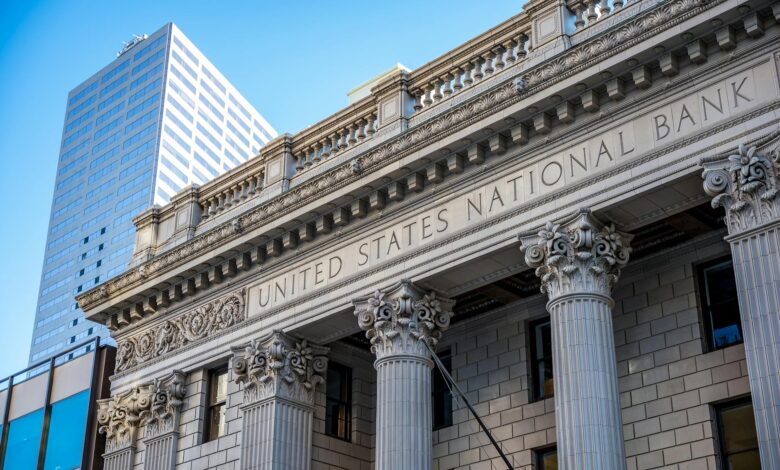
JPMorgan Chase’s acquisition of crypto custody firm Copper earlier this year marked a seismic shift in traditional banking’s relationship with digital assets. What was once dismissed as “rat poison squared” by Warren Buffett has now become the centerpiece of major financial institutions’ growth strategies. The question isn’t whether banks will embrace cryptocurrency exchanges, but how quickly they can integrate them before competitors gain the upper hand.
The transformation represents more than just institutional acceptance. Banks are recognizing that cryptocurrency infrastructure offers access to a trillion-dollar market that shows no signs of slowing down, despite periodic volatility. For traditional financial institutions, acquiring or partnering with crypto platforms isn’t just about following trends-it’s about survival in a rapidly digitizing economy.
Regulatory Clarity Creates Investment Opportunities
The regulatory landscape has shifted dramatically in favor of institutional crypto adoption. The approval of Bitcoin exchange-traded funds by the Securities and Exchange Commission in early 2024 provided the clarity banks needed to move beyond cautious observation. Major players like Goldman Sachs and Morgan Stanley quickly expanded their cryptocurrency trading desks, while smaller regional banks began exploring partnerships with established exchanges.
This regulatory green light coincided with the Federal Reserve’s ongoing research into central bank digital currencies. Banks understand that if they don’t develop crypto expertise now, they risk being sidelined when digital dollars become reality. The European Union’s Markets in Crypto-Assets regulation has created similar momentum across Atlantic financial centers.
JPMorgan’s crypto initiatives extend beyond simple trading services. The bank’s JPM Coin has processed over $300 billion in transactions since its launch, proving that institutional appetite for blockchain-based settlement systems is genuine. When traditional banks see peer institutions succeeding with crypto infrastructure, acquisition becomes a strategic imperative rather than speculative investment.
Customer Demand Drives Strategic Acquisitions
Wealthy clients aren’t waiting for their banks to catch up with cryptocurrency trends. Private banking divisions report increasing requests for crypto exposure, forcing institutions to either build capabilities internally or acquire existing platforms. Bank of America’s recent survey found that 73% of high-net-worth individuals want crypto investment options through their primary financial institution.
The demographic shift is equally compelling. Millennials and Generation Z clients, who represent the future of banking relationships, expect seamless integration between traditional and digital assets. These customers don’t want separate platforms for stocks, bonds, and cryptocurrencies-they want unified portfolio management that treats Bitcoin with the same sophistication as blue-chip equities.
Regional banks face particular pressure because they lack the resources to develop crypto infrastructure from scratch. Acquiring established exchanges or custody platforms provides immediate access to regulatory compliance frameworks, security protocols, and customer management systems that would take years to develop internally.

Technology Integration Accelerates Financial Innovation
Cryptocurrency exchanges possess technical infrastructure that extends far beyond digital asset trading. Their blockchain expertise, security protocols, and real-time settlement capabilities can revolutionize traditional banking operations. When Wells Fargo explores crypto acquisitions, they’re not just buying access to Bitcoin markets-they’re acquiring technology that can streamline cross-border payments, automate compliance reporting, and reduce settlement times from days to minutes.
The smart contract capabilities embedded in modern crypto platforms offer banks new product development opportunities. Automated lending protocols, programmable savings accounts, and dynamic fee structures become possible when traditional banking merges with decentralized finance infrastructure. These innovations mirror broader industry shifts, similar to how subscription box companies are pivoting to physical retail stores to create hybrid customer experiences.
Artificial intelligence and machine learning applications within crypto exchanges also attract traditional banks. These platforms process massive transaction volumes while maintaining sophisticated fraud detection and risk management systems. The data analytics capabilities developed for cryptocurrency markets often surpass what traditional banks have built for conventional assets.
Competitive Pressures Force Strategic Moves
The entry of technology giants into financial services has intensified pressure on traditional banks. PayPal’s cryptocurrency trading features, Apple’s financial products, and Amazon’s payment innovations demonstrate how quickly non-bank competitors can capture market share. Banks recognize that crypto acquisitions help them compete against these technology-forward rivals.
International competition adds another layer of urgency. European and Asian banks have moved more aggressively into cryptocurrency markets, creating potential advantages in attracting multinational corporate clients. American banks risk losing cross-border business relationships if they lag behind global competitors in digital asset capabilities.

The acquisition trend also reflects changing risk assessments within banking leadership. What seemed impossibly risky five years ago now appears more dangerous to ignore. Bank executives increasingly view cryptocurrency expertise as essential infrastructure, similar to how online banking capabilities became non-negotiable in the early 2000s.
Looking ahead, the pace of bank-crypto integration will likely accelerate as regulatory frameworks solidify and customer expectations evolve. The institutions that move decisively now position themselves to lead the next phase of financial services innovation, while those that hesitate risk becoming footnotes in banking history. The question facing bank boards isn’t whether to engage with cryptocurrency markets, but whether they can afford not to.
Frequently Asked Questions
Why are traditional banks suddenly interested in cryptocurrency exchanges?
Banks need crypto capabilities to serve wealthy clients, compete with tech companies, and prepare for digital currency adoption.
Which major banks have made cryptocurrency acquisitions recently?
JPMorgan Chase acquired crypto custody firm Copper, while Goldman Sachs and Morgan Stanley expanded their crypto trading operations.